
In 2026, understanding what PCAB accreditation means for compounding pharmacy is a critical clinical decision—not an administrative afterthought. With fewer than 68 of 7,500+ compounding pharmacies holding PCAB accreditation, prescribers face real liability risks when choosing partners. This guide delivers a practical, liability-first framework for verification and informed decision-making.

Not all prescriptions are created equal—compounded medications are among the most legally and clinically precise in healthcare. Learn what Section 503A requires to make your patient-specific compounding pharmacy prescription valid and protected in 2026. From documentation standards to measurable outcomes, this guide covers what prescribers and patients need to know.

Synthetic dyes in medications are making sensitive patients sick—and most don't even know it. This 2026 guide explains how dye-free compounded medication works, what reactions to watch for, and how to work with a compounding pharmacy to get a custom solution tailored to your needs.

Nearly 60 million Americans live with chronic pain and are looking beyond the pill bottle for safer, targeted relief. This 2026 guide breaks down exactly how compounded pain gels work, what the research really shows, and who stands to benefit most. Get the honest, evidence-based answers you need before talking to your prescriber.

ADHD medication compounding for children is more tightly regulated than most parents realize. This 2026 guide breaks down current FDA and DEA rules, the impact of the Adderall shortage ending, and the arrival of new FDA-approved liquid options. Know what's legal, what's not, and how to protect your child.

Wondering if insurance covers compounded medications? Most patients hear 'no' and stop there — but denials are rarely final. This 2026 guide breaks down coverage by plan type and shows you exactly how to appeal and win.

Medication non-adherence costs the U.S. healthcare system up to $300 billion annually—and in 2026's value-based care environment, providers are directly accountable for closing that gap. This playbook makes the clinical and business case for medication adherence solutions compounding as a measurable strategy to improve quality scores, reduce readmissions, and strengthen chronic disease management. Learn how partnering with a PCAB-accredited compounding pharmacy can transform adherence from a patient behavior problem into a systemic solution.

Nearly 80% of women experience significant menopause symptoms, yet fewer than 7% receive treatment. This 2026 guide explains compounded hormone therapy for menopause symptoms, covering new FDA regulatory changes, how BHRT differs from standard options, and how to determine if you're a candidate for personalized care.

A persistent myth claims some states ban shipping compounded medications across state lines—but as of 2026, all 50 states permit it with the right pharmacy licensing. What varies isn't whether it's allowed, but what a pharmacy must do to ship there legally. This guide breaks down the real legal framework, from 503A vs. 503B distinctions to telehealth prescribing requirements.
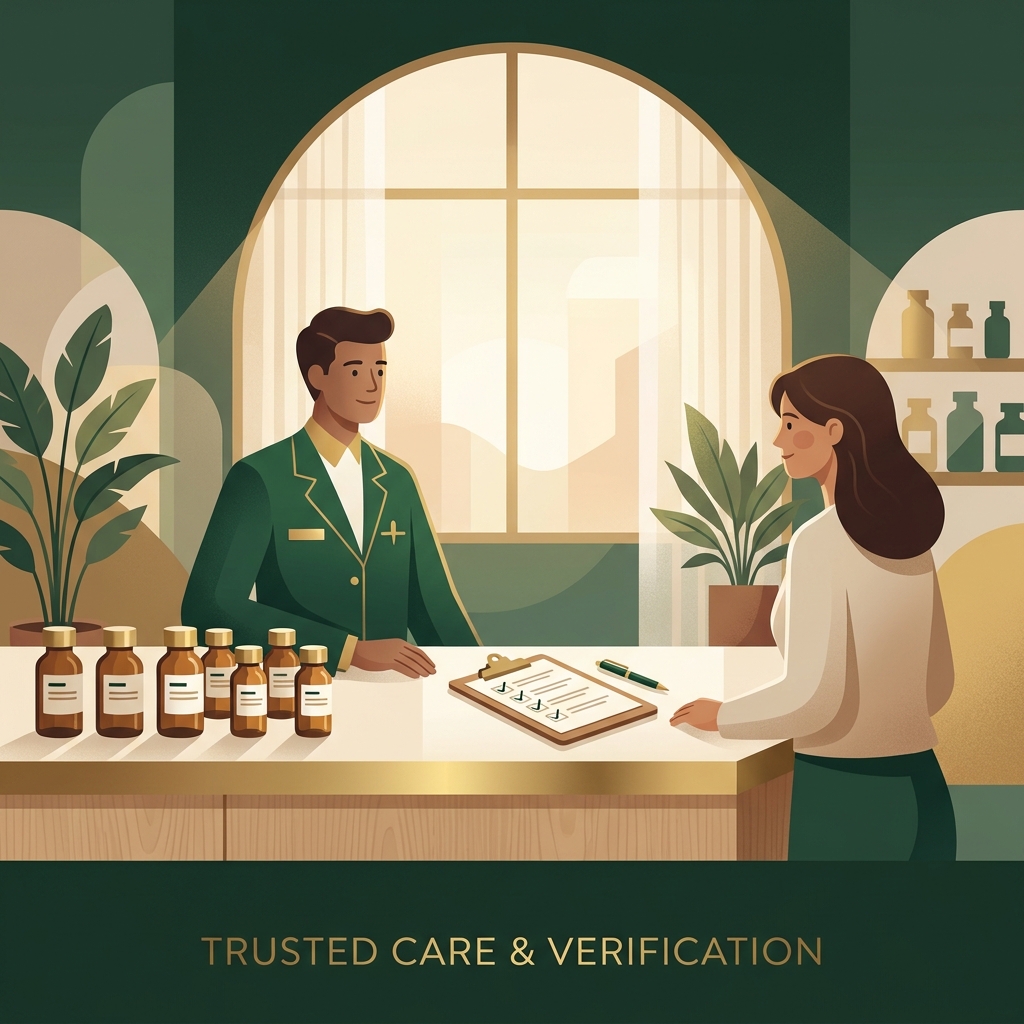
Is compounding pharmacy safe? Safety isn't a simple yes or no — it's a spectrum determined by credentials, oversight, and pharmacy practices. This guide gives you a concrete five-step framework to verify any compounding pharmacy before filling your prescription in 2026.

At Nationwide Compounding Rx®, we partner with prescribing practices to provide personalized medications with quality, safety, and patient care at the forefront. We offer convenient pickup, free standard shipping, same-day pickup on select medications, and a 1–2 business day turnaround on most orders.
At Nationwide Compounding Rx®, we partner with prescribing practices to provide personalized medications with quality, safety, and patient care at the forefront. We offer convenient pickup, free standard shipping, same-day pickup on select medications, and a 1–2 business day turnaround on most orders.
Quick Links
Accredited & Compliant