Triangle Compounding Pharmacy Search: What NC’s 2026 Rules Mean
Introduction: Searching for a Triangle Compounding Pharmacy in 2026
Most people who type “triangle compounding pharmacy” into a search bar are looking for one of two things. Some want the specific Cary business called Triangle Compounding Pharmacy, Inc. Others want a comparable local option somewhere in the Raleigh-Durham-Chapel Hill region. Either way, the goal is usually practical: finding a trustworthy pharmacy to fill a custom prescription.
This article is not a sales pitch. It is regulatory education for Triangle-area patients, caregivers, and prescribers. Since 2023, North Carolina has taken an unusually restrictive stance on compounded drugs, and that stance shapes every patient’s options in this market.
In the interest of full transparency: Nationwide Compounding Rx® does not currently ship to North Carolina. The Scottsdale, Arizona-based pharmacy is publishing this guide because the same standards it holds itself to (PCAB accreditation, USP compliance, verified sourcing) are the standards Triangle patients should use to vet the licensed local options that can legally serve them.
Why North Carolina Became One of the Most Restrictive States for Compounded Drugs
In 2023, the North Carolina Board of Pharmacy joined boards in Louisiana, Mississippi, and West Virginia in publicly warning against compounded semaglutide made with salt forms that are not FDA-approved. As NBC News reported at the time, these regulators threatened enforcement against pharmacies that violated federal compounding limits under the Food, Drug, and Cosmetic Act.
The situation then became more complicated. North Carolina and West Virginia initially issued statements implying that compounding weight-loss drugs was not allowed at all. According to NC Newsline, both states later amended those statements after determining they had misinterpreted FDA guidance. That episode offers real evidence of regulatory confusion in this exact market.
There is a local dimension worth noting. The NC Board of Pharmacy is headquartered in Chapel Hill, within the Triangle itself. Patients in Raleigh, Durham, and Cary live remarkably close to the center of this regulatory activity.
Federal changes have compounded the issue:
- Tirzepatide shortage resolved: The FDA confirmed the end of the tirzepatide shortage on December 19, 2024.
- Semaglutide shortage resolved: The FDA resolved the national semaglutide shortage on February 21, 2025.
- Shortage exception eliminated: With both drugs off the shortage list, the legal exception that permitted mass compounding of GLP-1 copies effectively ended.
- April 30, 2026 proposal: The FDA proposed permanently excluding semaglutide, tirzepatide, and liraglutide from the 503B Bulk Drug Substances list, closing the door on large-scale outsourcing-facility compounding of these drugs.
For Triangle patients, the practical outcome is clear: tighter scrutiny, fewer gray-area GLP-1 options, and a much greater need to choose a properly licensed, accredited pharmacy.
What “Triangle Compounding Pharmacy” Search Results Actually Show
The navigational intent behind this search is easy to understand. Triangle Compounding Pharmacy, Inc. is a real, long-operating business at 3700 Regency Pkwy in Cary, NC. It has been in business since 1992 (incorporated in 2008) and is led by President Danny Barnes. The NC Biotechnology Center directory describes it as a PCAB-accredited pharmacy compounding sterile and non-sterile medications for individual patients, clinical trials, and hospitals.
The pharmacy markets itself as the first pharmacy in North Carolina to receive PCAB accreditation, a distinction it says is held by less than 1% of U.S. compounding pharmacies.
Searchers will also encounter other established Triangle-area compounders, including:
- Carolina Compounding Pharmacy & Health Center (Cary)
- Central Compounding Center South (Durham)
- Puramint LLC (Raleigh)
- Aspirar Pharmacy of Durham
- Chapel Hill Compounding
- Triangle Pharmacy Inc. (Durham)
This is a large market. The Raleigh-Durham-Cary combined statistical area had roughly 2.24 million residents in the 2020 census, making it the second-largest CSA in North Carolina. That population supports many credible options, but it also produces many directory-style listings. The Better Business Bureau, for example, shows 112 results for compounding pharmacies near Research Triangle Park, with little guidance on how to tell them apart.
PCAB Accreditation: A Real Signal, But Not a Unique Differentiator Here
PCAB accreditation is demanding. A pharmacy must pass a rigorous on-site survey, undergo documentation review, demonstrate a minimum 90-day history of compliance, and adhere to USP <795>, <797>, and <800> standards.
It is also entirely voluntary. No federal law requires it, which is exactly why proponents consider it a meaningful quality signal: a pharmacy that pursues it is choosing extra oversight. Revised PCAB standards took effect on June 1, 2024, incorporating the updated USP <795> and <797> chapters and raising the bar further for accredited pharmacies.
Here is the key point for local comparison shopping. Because at least one major Triangle incumbent already markets PCAB accreditation as a “first in NC” claim, PCAB status alone cannot be the deciding factor. Patients need a fuller checklist.
Patients should also verify any accreditation claim independently. Rather than relying on marketing copy, they can check PCAB’s own directory of accredited pharmacies to confirm current status.
A Genuine Vetting Checklist for Comparing Triangle-Area Compounders
This section is the practical core of the article. The following criteria help patients and prescribers evaluate any Triangle pharmacy beyond logos and slogans.
Confirm USP <795>, <797>, and <800> Compliance
Each USP chapter governs a different area:
- USP <795>: Non-sterile compounding, such as capsules, creams, and troches.
- USP <797>: Sterile compounding, such as injectables.
- USP <800>: Safe handling of hazardous drugs.
Patients should ask a pharmacy directly which chapters apply to their specific formulation and how compliance is documented and verified.
Verify Active NC Licensure and Inspection History
North Carolina pharmacies are licensed and regulated by the NC Board of Pharmacy. They are subject to annual inspections covering prescription records, lab validation, inventory management, and medication disposal. Rather than relying solely on a pharmacy’s website, patients should check license status directly through the NC Board of Pharmacy.
Ask About Ingredient Sourcing and Testing Protocols
Compounded medications are only as reliable as their ingredients. Sourcing from FDA-inspected and cleared vendors helps ensure purity, while independent third-party testing helps confirm that potency is consistent from batch to batch. Useful questions include:
- Where do the pharmacy’s active pharmaceutical ingredients come from, and are those suppliers FDA-registered and inspected?
- Does the pharmacy use independent third-party labs for potency and sterility testing?
- Can the pharmacy share certificates of analysis or summary testing documentation?
- How often are batches tested, and what happens when a batch fails?
Understand Sterile vs. Non-Sterile Capabilities
Not every pharmacy is equipped or licensed for sterile compounding. A pharmacy that produces excellent topical creams or capsules may not be set up to prepare injectables. Patients should match their specific need (for example, a BHRT injectable versus a topical pain cream) to a pharmacy’s demonstrated sterile or non-sterile capability.
Check for an Effective Recall Mechanism
PCAB standards require pharmacies to maintain a documented recall process. This is a practical safety net. Patients should confirm that a pharmacy has one and understand how they would be notified if a product were recalled.
The Interstate Shipping Reality: Why Not Every National Compounder Can Serve NC
All 50 states permit interstate shipping of compounded medications in principle. However, a shipping pharmacy must hold a nonresident pharmacy license specific to each destination state. As the Health Law Alliance explains, compounders must obtain a nonresident license in every state where their shipments land.
North Carolina’s Pharmacy Practice Act (Chapter 90, Article 4A of the General Statutes) shows how real this gatekeeping is. The NC Board may deny a nonresident pharmacy registration if the pharmacy has been formally disciplined in its home state for violations related to compounding or dispensing legend drugs.
Sterile preparations add another layer. Shipping sterile compounds into a state typically requires a separate nonresident sterile-compounding permit, often with proof of USP <797> and <800> compliance.
Nationwide Compounding Rx® is licensed to serve patients and providers in most U.S. states, with availability varying by medication type and state regulation, but it does not currently ship to North Carolina. This limitation is tied to the state’s more restrictive regulatory environment around compounded drugs.
For full transparency, other national and regional compounders have already solved the NC nonresident licensing requirement. Promise Pharmacy, for example, maintains a presence in the Charlotte market and actively serves parts of the state. Licensure is complex, but it is achievable.
A broader trend is also emerging. Washington and Ohio now require PCAB accreditation as a condition of nonresident pharmacy licensure. That shift suggests PCAB may become a near-mandatory credential for interstate compounders nationally, even where it is not legally required today.
What This Means for Patients Weighing Local vs. National Compounding Options
For Triangle-area patients today, a PCAB-accredited, USP-compliant, NC-licensed local pharmacy is the most reliable path for compounded prescriptions in Raleigh-Durham-Chapel Hill.
Local pharmacies also offer value that a nationwide shipper cannot replicate:
- In-person consultations with pharmacists who can review formulations face to face.
- Direct relationships with local prescribers, which can speed up adjustments and clarifications.
- Decades of community track record, such as the Cary incumbent’s history dating back to 1992.
For readers who live in, or are relocating to, one of the states Nationwide Compounding Rx® serves, the same checklist applies. The pharmacy is PCAB accredited and USP 800 compliant, sources high-grade chemicals from FDA-inspected and cleared vendors, and uses independent third-party testing. It produces both sterile and non-sterile formulations, offers a 1 to 2 business day turnaround, and provides secure provider and patient portals. Readers are encouraged to hold it to exactly the same scrutiny described above.
This is a “not yet” situation rather than a permanent one. Nonresident licensure is a regulatory process and a business decision, not an impossibility, and the landscape continues to evolve.
Regulatory Trends to Watch Through 2026 and Beyond
Several developments are worth monitoring:
- The SAFE Drugs Act (H.R. 6509): Introduced December 9, 2025, this pending bill would require pharmacies shipping more than 20 out-of-state prescriptions of a given drug to report that activity to the FDA. It signals tightening federal scrutiny of interstate compounding shippers.
- Market growth: The U.S. compounding pharmacy market is projected at roughly $7.4 to $16.8 billion in 2026, depending on methodology, with mid-to-high single-digit annual growth. Patient-specific 503A pharmacies are expected to represent about 65% of the pharmacy-type segment.
- GLP-1 demand shifts: The FDA’s 2026 proposal to exclude GLP-1 drugs from the 503B bulk list will likely push more demand toward smaller, patient-specific 503A compounders. As analysis from the law firm Orrick notes, the shortage resolutions had already removed the primary legal basis for compounding near-copies of branded products. That makes accreditation and compliance vetting more important everywhere, including the Triangle.
- PCAB as a licensing condition: As more states follow Washington and Ohio in tying nonresident licensure to PCAB accreditation, patients should expect accreditation checks to become standard practice rather than a bonus feature.
Conclusion: Making an Informed Choice in a Tightening Regulatory Environment
North Carolina’s restrictive posture since 2023, combined with the 2025 and 2026 GLP-1 regulatory shifts, makes careful vetting more important than ever for Triangle-area patients.
PCAB accreditation is a meaningful signal, but it is not sufficient on its own, particularly in a market where a local incumbent already makes that claim. A complete evaluation covers USP compliance, direct licensure verification, ingredient sourcing and testing, sterile capabilities, and recall procedures.
Nationwide Compounding Rx® does not currently serve North Carolina. It does, however, aim to be a credible, educational resource on compounding safety and regulation nationwide. A pharmacy willing to say plainly where it cannot serve patients is one worth trusting where it can.
Have Questions About Compounding Safety and Regulation?
Readers in the states that Nationwide Compounding Rx® currently serves can explore its provider and patient portals for custom sterile and non-sterile formulations, including BHRT, pain management, dermatology, and pediatric compounding.
Triangle-area readers are encouraged to use the checklist in this article when evaluating local PCAB-accredited options such as Triangle Compounding Pharmacy in Cary or other regional providers.
North Carolina readers can check back or sign up for updates, as the pharmacy continues to evaluate nonresident licensure while NC’s regulatory landscape evolves.
Contact Nationwide Compounding Rx®:
- Phone: (480) 499-8379
- Online: Website contact form or secure patient and provider portals
- Hours: Monday through Friday, 7:00 AM to 3:30 PM (Arizona time)
- Response time: Email inquiries are answered within one business day
Related Posts
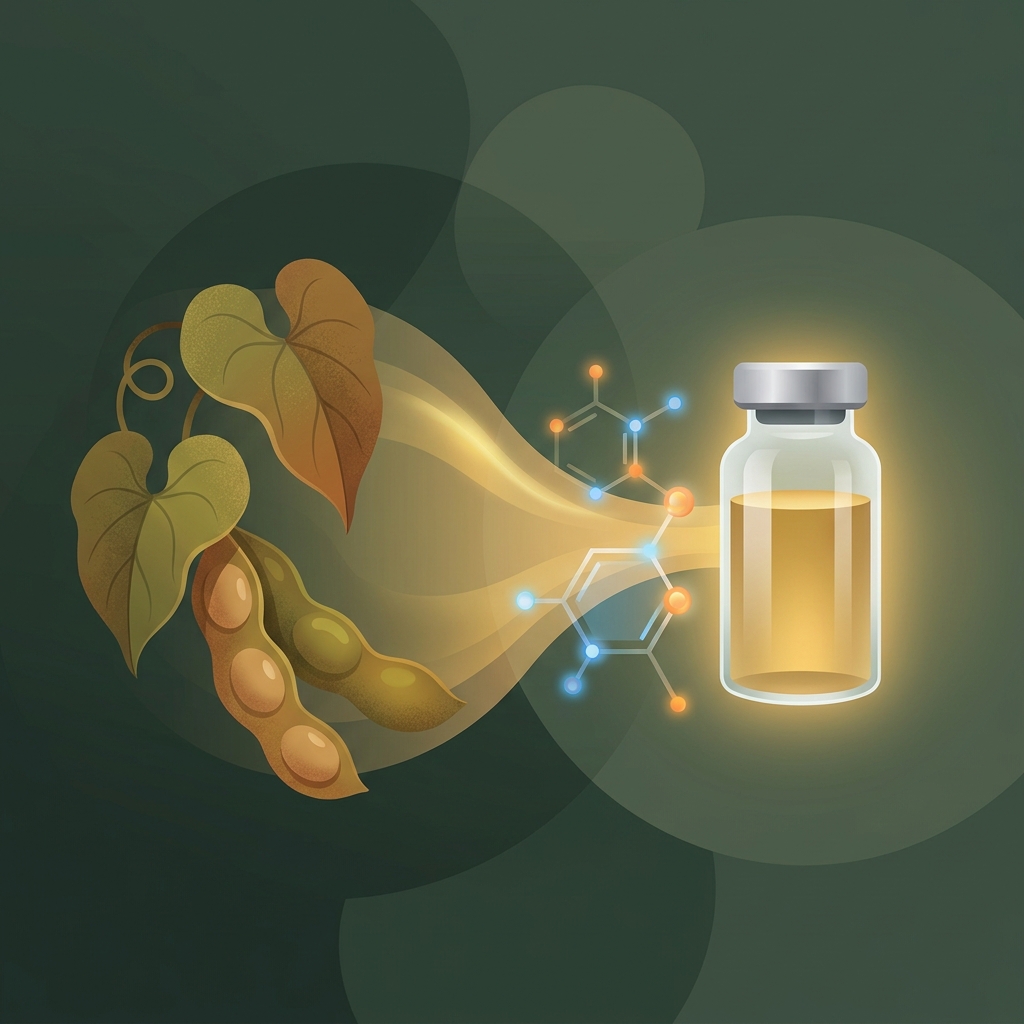
Ever wondered what are bioidentical hormones made from? This 2026 guide goes beyond 'soy or wild yam' to explain the biochemistry, the Marker degradation process, and the regulated supply chain behind every prescription. Learn how plant compounds become identical to human hormones.

Confused by search results for "coastal compounding pharmacy"? At least five unrelated businesses share similar names across four states. This guide helps you find the right one and shows how to evaluate any compounding pharmacy's safety and quality standards.
Searching for a compounding pharmacy in Houston, Texas? This 2026 guide breaks down TSBP regulations, sterile compounding rules, and GLP-1 enforcement changes shaping the market. Get a practical framework to vet any compounder with confidence.
PantheRx Specialty Pharmacy is a trusted name in rare disease treatment, but its model focuses narrowly on orphan drug delivery. Discover why many patients pair it with a compounding pharmacy to manage side effects, dosing, and comorbidities in 2026.