
Questions to Ask a Compounding Pharmacy: The 2026 Due Diligence Checklist
Introduction: Why the Stakes Have Never Been Higher for Compounding Pharmacy Due Diligence
The U.S. compounding pharmacy market is valued at approximately $7.42 billion in 2026, with IBISWorld estimates placing it as high as $20.2 billion, serving an estimated 30 to 40 million compounded prescriptions annually. Yet within this rapidly maturing industry, fewer than 1% of all U.S. pharmacies hold PCAB accreditation. That single statistic captures the central challenge patients and providers face: the difference between a safe, high-quality compounding partner and a genuine liability is rarely visible from a website.
The stakes have never been higher. On November 1, 2023, USP Chapters 795, 797, and 800 achieved simultaneous enforceable status, the most significant regulatory shift since the Drug Quality and Security Act of 2013. Any pharmacy not yet compliant is operating under outdated standards. This matters because history has already shown what happens when standards are ignored. The 2012 New England Compounding Center (NECC) fungal meningitis outbreak caused more than 750 infections and at least 64 deaths, and smaller contamination clusters continue to occur.
This article is not a passive checklist. It is a regulatory and clinical litmus test. Each question is paired with what a correct answer looks like and what a red-flag answer sounds like, giving both patients seeking personalized medications and providers evaluating a partner a clear framework for evaluation. Throughout, Nationwide Compounding Rx® is used as a benchmark example of correct answers: PCAB-accredited, USP 800 compliant, sourcing from FDA-inspected vendors, third-party tested, with a 1 to 2 business day turnaround.
Understanding the Regulatory Landscape Before You Ask a Single Question
Before asking a single question, readers should understand the two frameworks that govern compounding. 503A pharmacies are state-licensed, patient-specific operations that must comply with USP 795 and 797. 503B outsourcing facilities are FDA-registered, may compound without patient-specific prescriptions for office use, and must follow current Good Manufacturing Practices (cGMP). Conflating the two leads to misplaced expectations; a 503A pharmacy answering cGMP questions is operating under a different framework entirely.
Three USP chapters anchor modern compounding quality: USP 795 (non-sterile compounding), USP 797 (sterile compounding), and USP 800 (hazardous drug handling). All three became simultaneously enforceable on November 1, 2023. Revised PCAB standards incorporating the USP 795 and 797 updates took effect June 1, 2024, and pharmacies handling hazardous drugs must also meet USP 800 requirements under HDPCAB accreditation.
The regulatory environment has continued tightening. Through 2025 and 2026, multiple states, including Florida (SB 860), California (its “essentially a copy” rules), and Indiana (SB 282), strengthened compounding regulations. Additionally, effective January 7, 2025, the FDA will no longer place newly nominated bulk drug substances in interim categories, meaning pharmacies may no longer compound with newly proposed bulk substances until the FDA completes its review.
Each question below is tagged with a Correct Answer and a Red Flag Answer to help readers evaluate responses objectively.
Question 1: Are You PCAB Accredited, and Is That Accreditation Current?
PCAB accreditation, administered by ACHC, is widely recognized as the gold standard for compounding pharmacy quality, a characterization echoed by Harvard Health Publishing. With fewer than 1% of all U.S. pharmacies holding it (though 21% of dedicated compounding-volume pharmacies do), it is a powerful differentiator in a market of roughly 7,500 compounding pharmacies.
Because revised PCAB CFNS Standards incorporating USP 795 and 797 updates took effect June 1, 2024, accreditation earned before that date may not reflect current standards unless renewed.
Correct Answer: The pharmacy provides its PCAB certificate with a current expiration date, specifies whether it holds standard PCAB and/or HDPCAB (for hazardous drugs), and explains the survey process.
Red Flag Answer: Vague references to being “in the process,” inability to produce documentation, or confusion between state licensure and PCAB accreditation.
Benchmark: Nationwide Compounding Rx® holds active PCAB accreditation and is USP 800 compliant. Note that NABP also offers a 3-year Compounding Pharmacy Accreditation aligned to USP 795, 797, and 800, a credible secondary signal.
Question 2: Are You Licensed in My State, and Can You Ship to Me Legally?
Nationwide shipping requires a pharmacy to hold active licenses in each destination state, a complex and costly process. Patients cannot assume a pharmacy can serve them across state lines.
Licensing often exists in three tiers: (1) fully licensed, (2) licensed for non-sterile only with sterile pending, or (3) sterile/non-sterile pending or unlicensed. Because 2025 to 2026 state-level tightening can change licensing status, it must be verified at the time of the prescription.
Correct Answer: The pharmacy confirms active licensure in the specific state, specifies whether it covers sterile, non-sterile, or both, and explains any restrictions.
Red Flag Answer: A pharmacy that claims it ships “everywhere” without confirming state-specific licensure, or that cannot distinguish sterile from non-sterile eligibility by state.
Benchmark: Nationwide Compounding Rx® ships to 47 states plus Washington, D.C., with a transparent three-tier state licensing map. Patients should ask for licensure confirmation in writing before submitting a prescription, especially for sterile preparations. For more on how state regulations affect compounding pharmacy access and compliance, it is worth reviewing the specific rules in your state.
Question 3: Where Do You Source Your Active Pharmaceutical Ingredients (APIs)?
The active pharmaceutical ingredient (API) is the core component of any compounded medication, and its quality directly determines the safety and efficacy of the final preparation. The enforcement context is sobering: the FDA’s latest report shows 72% of enforcement actions were taken against API manufacturers that exclusively supply compounding pharmacies, and CBP seized more than 5,000 China-direct peptide shipments between December 2025 and March 2026.
APC best practices for API vendor validation include supplier licensure verification, FDA registration checks, certificate of analysis review, and independent third-party testing for higher-risk APIs.
Correct Answer: The pharmacy sources APIs exclusively from FDA-inspected and cleared vendors, can name the vendor type, and has a documented qualification process.
Red Flag Answer: Inability to identify API sources, references to “overseas suppliers” without FDA registration confirmation, or unusually low pricing. Unusually low prices can signal substandard APIs, absent third-party testing, or poor facility maintenance.
Benchmark: Nationwide Compounding Rx® sources all APIs exclusively from FDA-inspected and cleared vendors.
Question 4: Do You Conduct Independent Third-Party Testing, and Can You Share a Certificate of Analysis?
Third-party testing is an independent laboratory analysis verifying the identity, potency, purity, and sterility of a preparation, separate from internal checks. It serves as an independent check on both the API manufacturer and wholesaler, and is especially critical for higher-risk APIs, shortage drugs, or products under scrutiny (such as GLP-1 peptides in 2025 to 2026). A Certificate of Analysis (COA) confirms that a specific batch meets its stated specifications, and patients and providers have the right to request one.
Correct Answer: The pharmacy conducts routine third-party testing, describes the protocol (what is tested, how often, and by which accredited lab), and provides a COA on request.
Red Flag Answer: Reliance solely on the supplier’s COA, inability to produce a COA, or testing “only when required.”
The most frequently cited PCAB deficiencies (ACHC 2024 Surveyor Quality Review) include equipment calibration and maintenance (48%) and safe storage, labeling, and handling (41%), both of which affect testing reliability.
Benchmark: Nationwide Compounding Rx® conducts independent third-party testing as a standard practice. Understanding the full scope of quality control in compounding pharmacy helps patients and providers evaluate whether a pharmacy’s testing protocols meet the current standard.
Question 5: Who Is Your Designated Person (DP) and What Are Their Qualifications?
Revised USP 795 and 797 standards require every compounding pharmacy to designate a qualified individual, the Designated Person (DP), responsible for overseeing all compounding operations and ensuring compliance. This is one of the most commonly failed elements, with a 31% PCAB citation rate when absent or improperly documented.
The DP is ultimately accountable for the quality of every preparation leaving the pharmacy. For context, compounding pharmacists average 19 years of experience and technicians more than 12 years (APC 2025 to 2026 Snapshot).
Correct Answer: The pharmacy names its DP, describes credentials and experience, and explains how the role is integrated into daily oversight.
Red Flag Answer: Unfamiliarity with the DP concept, inability to identify who holds the role, or a DP with administrative rather than pharmaceutical qualifications.
NECC’s failures included forging cleaning logs and concealing an unlicensed technician from regulators. The DP role exists to prevent precisely that kind of accountability vacuum.
Question 6: What Are Your Sterility Testing Protocols and Cleanroom Standards?
Sterile compounded medications held approximately 60% of U.S. compounding market revenue in 2025, making sterility questions critical for anyone receiving injectable, IV, or ophthalmic preparations. USP 797 covers personnel responsibilities, training, facilities, environmental monitoring, and testing of finished preparations.
Cleanrooms are classified by airborne particles per cubic meter; ISO classification determines what preparations can be made and what beyond-use dates can be assigned. NECC’s cleanroom tested positive for bacteria and mold for over a year before the outbreak, and two of three contaminated lots shipped before sterility results were confirmed. This makes one question non-negotiable: “Do you ship before sterility results are confirmed?”
Correct Answer: The pharmacy describes its cleanroom ISO classification, environmental monitoring frequency, sterility and endotoxin testing protocols, and confirms no sterile preparation is released before results are confirmed.
Red Flag Answer: Inability to specify ISO classification, vague references to “clean conditions,” or any indication that preparations ship before testing completes.
With equipment calibration carrying a 48% PCAB citation rate, patients should ask whether cleanroom monitoring equipment is regularly calibrated and documented.
Question 7: How Do You Assign Beyond-Use Dates (BUDs)?
A beyond-use date (BUD) is the date after which a preparation must not be used. It is assigned by the pharmacy based on environment, formulation type, and USP standards, and is distinct from a manufacturer’s expiration date. Per ASHP guidance, a BUD mitigates patient risk by specifying the timeframe within which a preparation must be used to avoid chemical degradation, physical degradation, or microbial contamination.
BUD length is a proxy for facility quality: the less controlled the environment, the shorter the BUD must be under USP 797. The 2023 revisions changed how BUDs are calculated, so pharmacies still using pre-2023 tables are operating under outdated standards.
Correct Answer: The pharmacy explains its BUD process by preparation category, references applicable USP 797 or 795 standards, and connects BUD length to its facility and testing capabilities.
Red Flag Answer: BUDs assigned without reference to USP standards, unusually long BUDs for lower-classified environments, or inability to explain the basis. A conveniently long BUD should prompt follow-up questions about cleanroom classification and sterility testing frequency.
Question 8: Are You USP 800 Compliant for Hazardous Drug Handling?
USP 800 establishes requirements for safely handling hazardous drugs, protecting patients, personnel, and the care environment from chemotherapy agents, hormones, and other hazardous substances. Anyone receiving hormone replacement therapy (BHRT), oncology-adjacent medications, or hazardous preparations, and any provider prescribing them, should ask this question.
Pharmacies handling hazardous drugs must hold HDPCAB accreditation in addition to standard PCAB. Compliance requires dedicated containment primary engineering controls (C-PECs), specific PPE protocols, and documented training.
Correct Answer: The pharmacy holds HDPCAB accreditation or demonstrates equivalent compliance through documented facility design, engineering controls, and training records.
Red Flag Answer: Unfamiliarity with USP 800, conflating general cleanliness with hazardous drug containment, or inability to describe engineering controls.
Benchmark: Nationwide Compounding Rx® is USP 800 compliant. Patients and providers can review the pharmacy’s compounding pharmacy safety standards to understand how these requirements are implemented in practice.
Question 9: What Is Your Turnaround Time, and What Drives It?
A one-to-two business day turnaround is the standard for a high-performance compounding pharmacy. Turnaround is a quality signal, not just a convenience metric: pharmacies with adequate staffing, modern equipment, validated processes, and efficient quality review consistently meet it, while those that cannot may be operationally strained. For context, the median 503A pharmacy dispenses approximately 350 prescriptions weekly and prepares about 100 unique formulations, a high-volume operation requiring robust systems.
Correct Answer: The pharmacy commits to a specific window, explains the operational systems enabling it, and communicates delays proactively.
Red Flag Answer: Vague estimates (“it depends”), consistently long lead times without explanation, or inability to describe the infrastructure behind their commitments.
Benchmark: Nationwide Compounding Rx® offers a 1 to 2 business day turnaround with same-day pickup available for some medications.
Question 10: What Happens When a Preparation Doesn’t Meet Specifications?
Every pharmacy will occasionally produce a preparation that fails a quality check. What distinguishes high-quality pharmacies is what they do next. An “out-of-spec” preparation fails potency, sterility, endotoxin, or appearance testing and must not be dispensed. NECC’s defining failure was not that contamination occurred, but that leadership shipped medications before sterility results were confirmed and concealed failures from regulators.
Correct Answer: The pharmacy has a documented out-of-specification (OOS) investigation process, quarantines affected batches immediately, notifies affected prescribers and patients when appropriate, conducts root cause analysis, and implements corrective and preventive actions (CAPAs).
Red Flag Answer: Inability to describe an OOS process, reassurances that failures “never happen,” or retesting until a preparation passes rather than investigating the root cause.
With 37% of PCAB citations involving shipping system validation, patients should ask whether the pharmacy validates that shipping conditions maintain integrity during transit. It is also worth asking whether the pharmacy has ever managed a recall and how it was handled.
Question 11: Do You Compound Copies of FDA-Approved Drugs, and Under What Circumstances?
503A pharmacies are generally prohibited from compounding preparations that are “essentially a copy” of commercially available FDA-approved drugs, with exceptions for documented clinical differences such as allergen-free formulations or different dosage forms. More than half of compounding pharmacies reported compounding copies during active shortages, a permitted practice that requires documentation. California’s “essentially a copy” rules and similar 2025 to 2026 regulatory tightening indicate this issue is becoming more closely regulated. The FDA actions around semaglutide and tirzepatide illustrate how quickly the landscape can shift.
Correct Answer: The pharmacy clearly articulates when it will and will not compound copy-adjacent preparations, cites the regulatory basis, and documents clinical rationale.
Red Flag Answer: Routinely compounding copies without a clinical or shortage-based rationale, or unawareness of the prohibition.
Providers should also ask whether the pharmacy is current on the January 7, 2025 bulk drug substance policy change. For patients whose commercial medications have been discontinued or are unavailable, understanding when a compounding pharmacy can make a medication no longer available commercially is an important part of this conversation.
Question 12: What Personnel Training and Competency Verification Do You Require?
Revised USP 795 and 797 standards include specific requirements for training, competency assessment, and ongoing education. Personnel training and competency carries a greater than 25% PCAB citation rate. Compounding pharmacists average 19 years of experience and technicians more than 12 (APC 2025 to 2026 Snapshot). Harvard Health Publishing recommends asking whether pharmacists hold board certification in sterile compounding (BCSCP).
Correct Answer: A documented training program, competency assessments at defined intervals, board certification or equivalent for sterile compounders, and records reviewed during PCAB surveys.
Red Flag Answer: On-the-job training without formal assessment, inability to describe the curriculum, or only one person holding advanced credentials.
NECC concealed an unlicensed technician from regulators, a direct consequence of inadequate oversight. Nationwide Compounding Rx® brings 40+ years of combined team experience.
A Scoring Framework: How to Evaluate the Answers You Receive
Rather than a pass/fail checklist, weight the questions by medication type. A tiered priority structure helps:
- Tier 1 (non-negotiable for all patients): PCAB accreditation, state licensure, FDA-inspected API sourcing, and third-party testing.
- Tier 2 (critical for sterile preparations): sterility testing protocols, BUD assignment, cleanroom ISO classification, and USP 800 compliance.
- Tier 3 (important for ongoing partnerships): turnaround time, OOS response, personnel training, and DP qualifications.
A pharmacy that cannot answer a Tier 1 question specifically, with documentation, should be disqualified regardless of performance elsewhere. Watch for patterns: multiple vague answers, reluctance to provide documentation, or defensiveness are collectively more concerning than any single gap.
Request in writing: the PCAB certificate, state license(s), API vendor documentation, a sample COA, BUD policy, DP designation, and a turnaround time SLA.
Providers should additionally ask about prescription submission systems, refill management, communication protocols, and provider-specific formulary requests. Nationwide Compounding Rx® offers both a Provider Portal and a Patient Portal, a systems-level indicator of operational maturity. Providers considering outsourcing compounding pharmacy needs for a medical practice will find these systems especially relevant to evaluating operational fit.
Special Considerations for Specific Medication Categories
Certain categories carry additional questions based on regulatory status, clinical risk, or recent enforcement activity.
GLP-1 Peptides and Weight Management Medications
The 2025 to 2026 FDA actions around semaglutide and tirzepatide created significant compliance risk. With more than 5,000 China-direct peptide shipments seized between December 2025 and March 2026, patients should confirm that peptide APIs are sourced from FDA-registered U.S. vendors and that independent potency and purity testing is performed.
Correct Answer: The pharmacy confirms GLP-1 compounding aligns with current FDA guidance, sources peptide APIs from FDA-registered U.S. vendors, and conducts third-party testing on all peptide preparations.
Bioidentical Hormone Replacement Therapy (BHRT)
BHRT is among the most individualized categories, with formulas that should be adjustable at each refill based on lab results. Some BHRT preparations may resemble FDA-approved products, so the pharmacy should explain its clinical basis for any such formulation.
Correct Answer: A documented BHRT adjustment protocol, collaborative incorporation of lab results, and a clear clinical rationale for any formulation resembling a commercial product.
Benchmark: Nationwide Compounding Rx® offers BHRT formulas adjustable at each refill based on lab results.
Sterile Injectable and IV Preparations
Sterile preparations carry the highest patient safety risk. Beyond sterility testing, injectables must be tested for bacterial endotoxins (pyrogens). Patients and providers should ask about testing frequency and BUD categorization under the revised USP 797 framework.
Correct Answer: The pharmacy conducts both sterility and endotoxin testing, assigns BUDs per the revised USP 797 framework, and provides a COA confirming results before dispensing.
Pediatric Compounding
Pediatric compounding requires age- and weight-specific dosing, appropriate dosage forms (such as flavored liquids, popsicles, and suckers), and allergen-free formulations. Flavoring affects adherence and should be free of common allergens. Parents researching how to improve medication compliance in children will find that dosage form and flavoring options are among the most practical factors to evaluate.
Correct Answer: Documented pediatric protocols, multiple appropriate dosage forms and flavors, and allergen-free formulation capability.
Benchmark: Nationwide Compounding Rx® offers pediatric forms including flavored liquids, popsicles, and suckers, with flavors including cherry, bubblegum, and tutti frutti.
Conclusion: The Right Questions Lead to the Right Pharmacy
In a market of roughly 7,500 compounding pharmacies, the difference between a safe partner and a liability is rarely visible on a website. It becomes apparent only when the right questions are asked and the answers are evaluated correctly. With USP 795, 797, and 800 simultaneously enforceable since November 2023, PCAB standards updated in June 2024, and state regulations tightening through 2026, the bar has never been higher, and neither has the cost of choosing wrong.
The NECC tragedy was not caused by a lack of regulations. It was caused by a pharmacy that ignored them. This checklist exists to ensure patients and providers never unknowingly partner with a pharmacy making the same choices. Used as a regulatory and clinical litmus test rather than a conversation starter, it equips readers to distinguish pharmacies that meet the 2026 standard from those that merely claim to.
Nationwide Compounding Rx® stands as the benchmark: PCAB-accredited, USP 800 compliant, sourcing APIs exclusively from FDA-inspected vendors, conducting independent third-party testing, offering a 1 to 2 business day turnaround, and shipping to 47 states plus D.C. The right compounding pharmacy is not just a vendor. It is a clinical partner, and the questions asked before the first prescription is filled determine the quality of every preparation that follows.
Ready to Work With a Compounding Pharmacy That Passes Every Test?
For patients: Contact Nationwide Compounding Rx® to learn whether the relevant state is served and what preparation options are available for specific needs.
For providers: Healthcare providers and medical practices can explore the Provider Portal and the Connect, Collaborate, Create, Care partnership framework, backed by a 1 to 2 business day turnaround, PCAB accreditation, and collaborative prescription management.
Reach the team at (480) 499-8379 or visit nationwidecompounding.com, open Monday through Friday, 7:00 AM to 3:30 PM. Email inquiries receive a response within one business day.
Nationwide Compounding Rx® is PCAB-accredited, USP 800 compliant, and sources all APIs from FDA-inspected vendors: the same standards this article has established as the benchmark for due diligence.
Related Posts
Fairview Specialty Pharmacy will be out-of-network for UnitedHealthcare Medicare Advantage starting January 1, 2027, affecting up to 125,000 Minnesota patients. This guide breaks down what specialty medication users need to know before the enrollment deadline and how to build a backup plan.

Searching for University Compounding Pharmacy San Diego? This 2026 guide confirms UCP's location, specialties, and PCAB status while showing how to verify any compounding pharmacy's credentials. It also compares UCP to alternatives like Nationwide Compounding Rx for specific patient needs.
Senderra Specialty Pharmacy is a major player in dispensing biologic therapies for dermatology, rheumatology, and oncology patients. This article breaks down what Senderra does well, where patients often hit friction, and how PCAB-accredited compounding pharmacies can complement—not replace—biologic treatment plans in 2026.
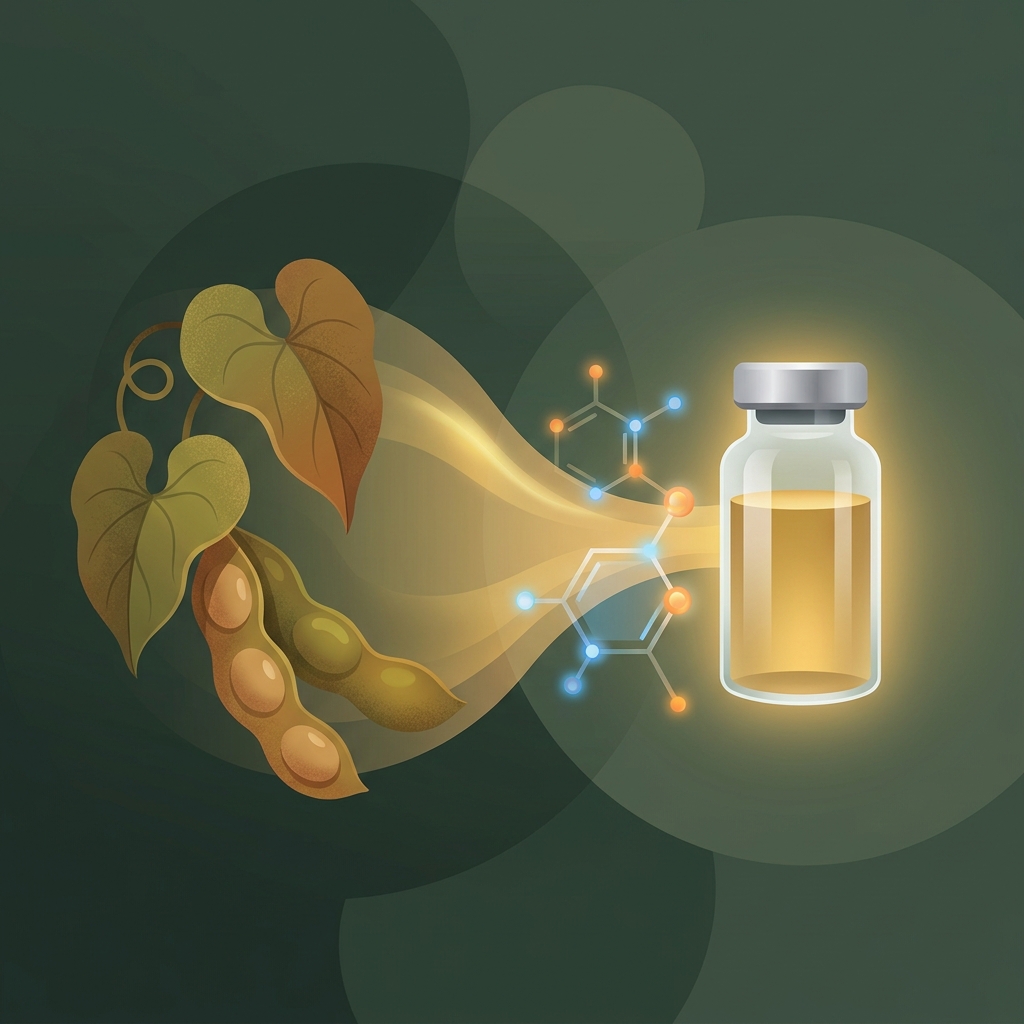
Ever wondered what are bioidentical hormones made from? This 2026 guide goes beyond 'soy or wild yam' to explain the biochemistry, the Marker degradation process, and the regulated supply chain behind every prescription. Learn how plant compounds become identical to human hormones.