
Compounded Medications for Athletes: The 2026 Sports Medicine Recovery Guide
Introduction: Why Standard Medications Fall Short for Athletes
Each year, approximately 8.6 million sports-related injuries occur in the United States. In 2024 alone, 4.4 million people were treated in emergency departments for sports and recreational injuries, a 17% increase over the prior year. That surge underscores an urgent, growing need for recovery solutions that match the specific demands of active bodies.
The core problem is straightforward: commercial medications are designed for the average patient, not for athletes. Athletes carry demanding recovery timelines, higher metabolic rates, unique body compositions, and strict anti-doping obligations. A one-size-fits-all pill or gel rarely accounts for any of those variables.
Compounded medications for athletes offer a clinically meaningful alternative. These are custom-formulated pharmaceutical preparations tailored to an individual’s injury type, body composition, sport, and recovery goals. Rather than accepting fixed doses and limited delivery forms, athletes and their providers can build a formulation around the exact clinical picture in front of them.
This guide delivers a complete, evidence-based decision framework covering formulation categories, injury-specific applications, advanced delivery systems, peptide developments, anti-doping compliance, and a step-by-step path to accessing compounding services. Throughout, Nationwide Compounding Rx® serves as a reference point: a PCAB-accredited, USP 800-compliant compounding pharmacy with 40+ years of combined team experience serving athletes and sports medicine providers nationwide.
The Case for Compounding in Sports Medicine: Filling a Critical Gap
A peer-reviewed June 2026 scoping review published on ScienceDirect confirmed that compounding pharmacy is “uniquely positioned to address a significant gap in sports medicine: the lack of commercially available, patient-specific medications.”
Commercial medications present four core limitations for athletes:
- Fixed dosing that ignores body weight and metabolism
- Limited delivery forms (few topical or transdermal options)
- Allergen-containing inactive ingredients such as dyes, fillers, and preservatives
- Unavailability of discontinued or shortage-affected drugs
The market reflects rising demand. The U.S. compounding pharmacies industry is valued at $20.2 billion in 2026, and pain management accounts for 31.23% of the compounding market share, making it the dominant therapeutic segment. Compounding addresses three injury categories especially well: acute injuries (sprains, strains, fractures), chronic overuse syndromes (tendinopathy, stress fractures, bursitis), and neuropathic pain conditions.
The personalization advantage is decisive. Compounding enables accurate dosing that accounts for an athlete’s metabolism, weight, sport intensity, and specific injury, something no commercial product can replicate. It also addresses supply problems: drug shortages affect painkillers in 43% of cases in some markets, and compounding pharmacy activities serve as a frequent countermeasure, accounting for 64% of shortage responses.
Understanding the Regulatory Framework: 503A vs. 503B Compounding
The regulatory pathway matters because it determines quality standards, oversight, and how a compounded medication is prescribed and dispensed.
503A pharmacies are traditional compounding pharmacies that prepare medications based on individual patient-specific prescriptions from licensed practitioners. Their products are not FDA-approved but must comply with USP standards. Nationwide Compounding Rx® operates under this framework.
503B outsourcing facilities are larger-scale operations that can produce medications without patient-specific prescriptions, subject to FDA Current Good Manufacturing Practice (CGMP) regulations and more rigorous federal oversight.
For athletes, the practical implication is clear: 503A compounds require a valid prescription from a licensed physician or sports medicine provider, while 503B products may be available through clinical facilities in batch quantities without individual prescriptions.
Quality assurance is the deciding factor. PCAB-accredited 503A pharmacies like Nationwide Compounding Rx® source chemicals exclusively from FDA-inspected vendors, conduct independent third-party testing, and maintain USP 800 compliance. Athletes should always verify a pharmacy’s accreditation status and ask about testing protocols before using any compounded product.
Topical NSAIDs: The Evidence-Based Foundation of Compounded Sports Recovery
The clinical authority here is strong. The American College of Physicians and American Academy of Family Physicians specifically recommend topical NSAIDs as first-line pharmacological therapy for acute musculoskeletal injuries.
A Cochrane meta-analysis of 61 RCTs confirmed that topical NSAIDs (diclofenac, ibuprofen, ketoprofen, piroxicam, and indomethacin) provide superior pain relief, greater than 50% reduction, compared to placebo for acute musculoskeletal sports injuries.
Compounded topical NSAIDs outperform commercial alternatives through custom concentrations, combination with complementary agents, allergen-free formulations, and delivery vehicles optimized for skin penetration. The pharmacokinetic advantage is notable: properly compounded topical ketoprofen produces tissue concentrations 100-fold greater below the application site (for example, the knee) than systemic concentrations, dramatically reducing gastrointestinal risks.
Clinical relevance is well documented. Among Olympic athletes at Tokyo 2020 and Beijing 2022, 27% used NSAIDs, with overall pain and inflammation medication use at 36.7%. The 2025 Journal of Evidence-Based Medicine clinical practice guidelines, synthesizing those 61 RCTs, also recommend combining topical NSAIDs with physical therapy modalities.
Key Compounded Topical NSAID Formulations for Athletes
- Ketoprofen gel/cream: Superior tissue penetration with a strong evidence base for tendinopathy and joint injuries. Compounded concentrations (10 to 20%) outperform the commercially available 2.5% gel.
- Diclofenac combinations: Often combined with dimethyl sulfoxide (DMSO) as a penetration enhancer, or with a muscle relaxant for multimodal acute injury management.
- Ibuprofen topical formulations: Useful for superficial soft tissue injuries and overuse syndromes when systemic ibuprofen is contraindicated by gastrointestinal sensitivity or cardiovascular risk.
- Piroxicam and indomethacin topicals: Evidence-supported for chronic inflammatory conditions such as patellar tendinopathy and plantar fasciitis.
- Multimodal NSAID creams: Combining an NSAID, a local anesthetic (lidocaine), and a muscle relaxant (cyclobenzaprine) to address pain, inflammation, and spasm in a single application.
Injury-Specific Compounding Protocols: Matching Formulations to Diagnoses
Each injury type has a distinct pathophysiology that should drive formulation selection, concentration, and delivery method. Sprains and strains are the most common sports injuries, accounting for 41% of all sports injuries, with ankle sprains constituting up to 30% of cases seen in sports medicine clinics. That prevalence makes them the highest-priority categories for compounding.
A sports medicine physician or physiatrist should guide formulation selection, with the compounding pharmacist serving as a clinical collaborator rather than a replacement for medical evaluation.
Sprains and Acute Soft Tissue Injuries
Acute sprains involve inflammation, edema, and pain from ligament disruption, requiring rapid anti-inflammatory and analgesic intervention. Recommended compounded formulations include high-concentration topical ketoprofen or diclofenac gels applied directly to the injury site, as well as combination creams with lidocaine for immediate pain control.
Gel vehicles penetrate faster than creams for acute swelling, and iontophoresis-compatible formulations can accelerate delivery in the first 48 to 72 hours. Concentrations can be adjusted as the injury progresses from acute to subacute phases, a flexibility unavailable with fixed commercial products. Compounding also allows allergen-free formulations for athletes sensitive to commercial NSAID gel preservatives or fragrances.
Overuse Syndromes: Tendinopathy, Bursitis, and Stress Reactions
Chronic overuse injuries involve tendon degeneration, repetitive microtrauma, and neurogenic inflammation rather than classic acute inflammation, requiring different pharmacological targets. Options include topical ketoprofen for tendinopathy, corticosteroid-containing transdermal preparations (dexamethasone) for bursitis, and combination creams pairing an NSAID with a neurogenic agent for enthesopathy.
Dexamethasone sodium phosphate is the gold-standard agent for iontophoretic delivery in overuse syndromes, and compounding allows precise concentration control. For runners and cyclists, iliotibial band syndrome, patellar tendinopathy, and plantar fasciitis are prime candidates for compounded topical protocols that permit continued training with reduced systemic medication burden. Concentrations can be tapered gradually as tissue heals, reducing dependency risk.
Neuropathic and Chronic Pain Syndromes in Athletes
Nerve entrapment, complex regional pain syndrome (CRPS), and post-injury neuropathic pain require agents that target neuronal sensitization rather than peripheral inflammation alone. Recommended formulations include topical gabapentin (often 6% cream) for localized neuropathic pain, compounded amitriptyline/ketamine combinations for CRPS and refractory pain, and lidocaine-based preparations for nerve entrapment syndromes.
The systemic side effect advantage is significant. Oral gabapentin and tricyclic antidepressants cause sedation and cognitive impairment incompatible with training, while topical compounded versions deliver localized effects with minimal systemic absorption. Athletes recovering from ACL reconstruction, rotator cuff repair, or labral surgery frequently develop neuropathic pain that responds poorly to standard NSAIDs. Combining gabapentin, a low-dose NSAID, and a local anesthetic in one preparation simplifies the regimen and improves adherence.
Advanced Delivery Systems: Iontophoresis and Phonophoresis-Compatible Compounds
Iontophoresis and phonophoresis are physical therapy modalities that use electrical current or ultrasound, respectively, to drive compounded medications deeper into target tissues. This represents a clinically significant enhancement over passive topical application.
Iontophoresis compatibility has specific requirements: compounded medications must be in ionic form and at appropriate pH and concentration for effective electrical transport, requiring pharmacist expertise that most commercial products lack. Key iontophoresis-compatible compounds include dexamethasone sodium phosphate (anti-inflammatory for tendinopathy and bursitis), lidocaine hydrochloride (analgesia for acute injuries), and acetic acid (for calcific tendinitis).
Phonophoresis uses ultrasound waves to temporarily increase cell membrane permeability, allowing compounded anti-inflammatory agents such as ketoprofen and hydrocortisone to penetrate deeper tissue. This approach is especially useful for deep muscle and joint injuries. The June 2026 ScienceDirect review confirmed these delivery systems are among the most clinically relevant applications of contemporary compounding methodologies in sports medicine.
Both modalities require a physical therapist or sports medicine physician to administer. Athletes should ask their sports medicine team whether iontophoresis or phonophoresis with compounded agents is appropriate for their injury.
Peptide Therapies in 2026: BPC-157, TB-500, and the Regulatory Landscape
The global peptide supplement market reached $4.1 billion in 2025 and is projected to reach $11.2 billion by 2035, reflecting surging athlete interest in peptide-based recovery.
BPC-157, a 15-amino-acid synthetic peptide, is among the most discussed recovery peptides in 2026. Preclinical data show enhanced angiogenesis, improved fibroblast migration, and more organized collagen deposition in animal models for tendon, ligament, muscle, and nerve injuries.
The regulatory picture shifted significantly in early 2026. In February, HHS Secretary RFK Jr. announced that BPC-157 would move back to Category 1, restoring compounding pharmacy access with a physician’s prescription and reversing the 2023 ban. On July 23 to 24, 2026, the FDA’s Pharmacy Compounding Advisory Committee reviewed BPC-157, TB-500, KPV, and MOTs-C for the 503A Bulks List and issued a favorable recommendation.
Caution remains warranted. The AOSSM (May 2026) notes that despite preclinical promise, human clinical trial data for BPC-157 and TB-500 remains limited.
Critical anti-doping warning: Despite the FDA’s 2026 reclassification, BPC-157 remains prohibited under the WADA 2026 Prohibited List (S0, unapproved substances). Competitive athletes subject to testing still face sanctions for its use regardless of prescription status. Athletes interested in learning more about peptide compounding should consult both their sports medicine physician and a qualified compounding pharmacist before proceeding.
Anti-Doping Compliance: What Every Athlete Must Know Before Using Compounded Medications
This section is non-negotiable. Strict liability means athletes are responsible for every substance in their body, regardless of whether it came from a compounded prescription. Ignorance is not a defense under WADA or USADA rules.
USADA officially warns that compounded products carry higher contamination risks than FDA-approved commercial medications, citing three UFC athletes sanctioned after using contaminated compounded supplements, even though the contamination was unintentional. Because compounding pharmacies do not undergo the same FDA pre-market approval process as commercial manufacturers, quality control variability exists even among accredited pharmacies.
Athletes who require a compounded medication containing a prohibited substance (for example, a corticosteroid for a documented condition) must obtain a Therapeutic Use Exemption (TUE) from their sport’s governing body before use. Testosterone is classified under WADA S1 (Anabolic Agents) and prohibited at all times under the 2026 list. Compounded testosterone pellets and other TRT formulations are not permitted for competitive athletes without a TUE, regardless of the 2025 FDA removal of the cardiovascular black box warning.
Practical compliance checklist:
- Verify the pharmacy’s PCAB accreditation and third-party testing protocols.
- Cross-reference every ingredient against the current WADA Prohibited List.
- Consult USADA’s Drug Reference Online (DRO) before use.
- Obtain a TUE if a prohibited substance is medically necessary.
- Inform the sports medicine physician of the athlete’s competitive status before any prescription is written.
The Prohibited Substance Landscape: WADA 2026 and Compounded Medications
The WADA 2026 Prohibited List categories most relevant to compounded medications include S0 (unapproved substances such as BPC-157 and TB-500), S1 (anabolic agents including testosterone), S2 (peptide hormones and growth factors), and S9 (glucocorticoids, prohibited in-competition when administered systemically).
The glucocorticoid nuance matters: topically applied corticosteroids (such as compounded dexamethasone cream for iontophoresis) are generally not prohibited when applied topically, but systemic corticosteroid injections are prohibited in-competition without a TUE. BSCG’s 2026 analysis confirms BPC-157, TB-500, and CJC-1295 remain prohibited under the WADA 2026 list regardless of compounding regulatory status.
A 2026 Frontiers in Sports and Active Living systematic review on undeclared prohibited substances reinforces that contamination risk extends beyond intentional use to inadvertent exposure through poorly manufactured products. Athletes should use only compounding pharmacies with pharmaceutical-grade ingredients and independent third-party testing and transparent sourcing. Nationwide Compounding Rx® sources exclusively from FDA-inspected vendors and conducts independent testing on all compounded preparations.
Female Athletes and Compounding: Addressing an Underserved Population
Female Olympic athletes use pain and inflammation medications at a significantly higher rate (44.1%) than males (30.0%), yet female-specific compounding content remains nearly absent across the sports medicine landscape.
The physiological rationale is well established. Female athletes experience different injury patterns, including higher ACL injury rates, greater susceptibility to bone stress injuries, and hormonal influences on ligament laxity. Fluctuations in estrogen and progesterone across the menstrual cycle affect pain perception, tissue healing, and NSAID metabolism. Compounding can address these variables through cycle-synchronized dosing protocols.
Compounded bioidentical hormone (BHRT) formulations may support recovery in perimenopausal masters athletes, but must be approached with WADA compliance awareness, since some hormonal agents are prohibited. Female athletes sensitive to common commercial gel preservatives, fragrances, or dyes benefit significantly from allergen-free compounded formulations. Discussing cycle-aware pain management and hormonal recovery support with both a sports medicine physician and a compounding pharmacist experienced in women’s health is strongly encouraged.
The Athlete-Physician-Pharmacist Collaboration Model
Optimal outcomes require three-way collaboration among the athlete, their sports medicine physician or physiatrist, and a specialized compounding pharmacist. This maps directly to Nationwide Compounding Rx®’s Connect, Collaborate, Create, Care framework.
- The physician handles diagnosis, formulation prescription, efficacy and adverse-effect monitoring, TUE management, and coordination with physical therapists administering iontophoresis or phonophoresis.
- The compounding pharmacist manages formulation design, ingredient sourcing verification, concentration optimization, delivery vehicle selection, third-party quality testing, and ongoing consultation with the prescriber.
- The athlete provides transparent communication about competitive status, anti-doping obligations, training schedule, other medications and supplements, and any adverse reactions.
Compounding also simplifies regimens by consolidating an athlete’s protocol into a single dose or application, reducing polypharmacy risk and improving adherence. Nationwide Compounding Rx®’s secure Provider Portal and Patient Portal streamline prescription submission, refill management, and communication within this model.
How to Access Compounded Medications: A Step-by-Step Guide for Athletes
- Obtain a proper diagnosis. Compounded medications require a valid prescription from a licensed physician, sports medicine specialist, or physiatrist. Self-diagnosis and self-prescription are neither appropriate nor legal.
- Discuss compounding with the prescribing provider. Athletes should ask whether a compounded formulation fits their injury and request collaboration with a PCAB-accredited pharmacy.
- Verify anti-doping compliance before the prescription is written. All proposed ingredients should be cross-referenced against the current WADA Prohibited List, and USADA’s Drug Reference Online should be consulted. The TUE process should be initiated if a prohibited substance is medically necessary.
- Choose a qualified compounding pharmacy. Look for PCAB accreditation, USP 800 compliance, independent third-party testing, and FDA-inspected vendor sourcing. Nationwide Compounding Rx® meets all of these standards and maintains rigorous compounding pharmacy safety standards.
- Understand turnaround and shipping. Nationwide Compounding Rx® offers one to two business day turnaround, with same-day pickup available for some formulations, and ships nationwide across multiple licensed states.
- Monitor and communicate. Adverse reactions or insufficient efficacy should be reported promptly. Compounded formulations can be adjusted at each refill based on recovery progress, a key advantage over fixed commercial products.
Contact: 14000 N. Hayden Rd., Suite 104, Scottsdale, AZ 85260 | Phone: (480) 499-8379 | Monday through Friday, 7:00 AM to 3:30 PM.
Conclusion: Building a Smarter Recovery Strategy with Compounded Medications
Compounded medications represent a clinically superior, evidence-based alternative to commercial products for the specific demands of sports injury recovery, when used correctly, legally, and under appropriate medical supervision.
Three pillars anchor the framework: evidence-based formulation selection matched to injury type; advanced delivery systems that maximize localized efficacy; and rigorous anti-doping compliance that protects competitive eligibility. The 2026 FDA PCAC favorable recommendation for BPC-157 and TB-500, the restoration of compounding access for these peptides, and the growing evidence base for topical NSAIDs and iontophoresis-compatible compounds all signal continued expansion of sports medicine compounding.
One reminder stands above all: regulatory access to a compounded medication does not equal WADA compliance. Athletes must always verify prohibited status independently before use. For athletes and providers navigating this landscape, Nationwide Compounding Rx® offers a trusted partner: PCAB-accredited, USP 800-compliant, third-party tested, and built on 40+ years of combined compounding expertise.
Ready to Explore Compounded Medications for Your Recovery? Connect with Nationwide Compounding Rx®
Athletes: Consult a sports medicine physician, then reach out to Nationwide Compounding Rx® to discuss whether a compounded formulation is appropriate for the injury and recovery goals at hand.
Sports medicine providers: Physicians, physiatrists, physical therapists, and clinics are invited to connect through the compounding pharmacy for medical practices portal to explore compounding partnerships and streamline prescription management.
Nationwide Compounding Rx® responds to inquiries within one business day and offers a collaborative, patient-centered approach: Connect, Collaborate, Create, Care.
Contact Details: 14000 N. Hayden Rd., Suite 104, Scottsdale, AZ 85260 | Phone: (480) 499-8379 | Fax: 480-699-5341 | Hours: Monday through Friday, 7:00 AM to 3:30 PM | Website: nationwidecompounding.com
PCAB Accredited | USP 800 Compliant | Independent Third-Party Tested | FDA-Inspected Ingredient Sourcing | Nationwide Shipping Available
Every athlete’s recovery is unique, and their medication should be too.
Related Posts

Fairview Specialty Pharmacy will be out-of-network for UnitedHealthcare Medicare Advantage starting January 1, 2027, affecting up to 125,000 Minnesota patients. This guide breaks down what specialty medication users need to know before the enrollment deadline and how to build a backup plan.

Searching for University Compounding Pharmacy San Diego? This 2026 guide confirms UCP's location, specialties, and PCAB status while showing how to verify any compounding pharmacy's credentials. It also compares UCP to alternatives like Nationwide Compounding Rx for specific patient needs.

Senderra Specialty Pharmacy is a major player in dispensing biologic therapies for dermatology, rheumatology, and oncology patients. This article breaks down what Senderra does well, where patients often hit friction, and how PCAB-accredited compounding pharmacies can complement—not replace—biologic treatment plans in 2026.
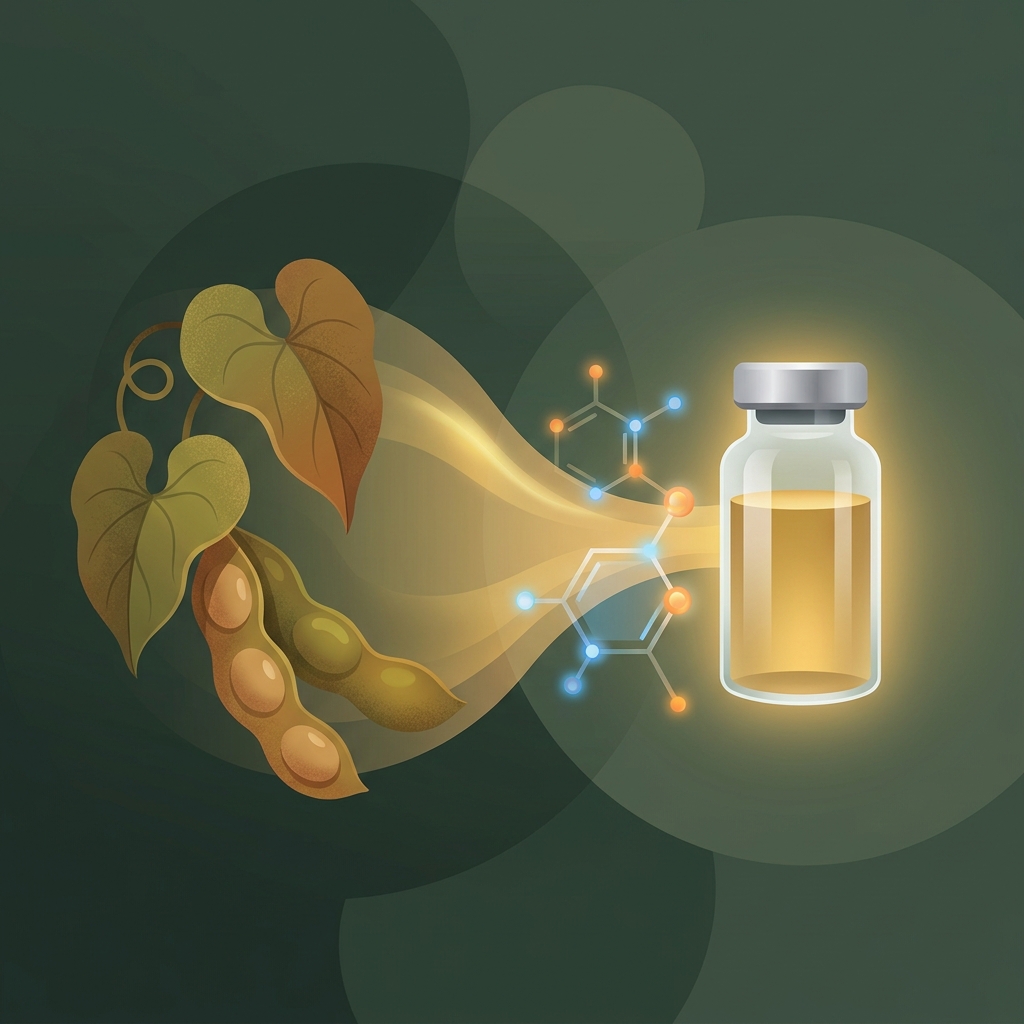
Ever wondered what are bioidentical hormones made from? This 2026 guide goes beyond 'soy or wild yam' to explain the biochemistry, the Marker degradation process, and the regulated supply chain behind every prescription. Learn how plant compounds become identical to human hormones.