
Bioidentical Hormone Pellet Therapy Compounding: The Complete 2026 Patient and Provider Guide
An estimated 1 to 2.5 million U.S. women over age 40 use compounded bioidentical hormones, and the U.S. hormone pellet therapy market is projected to reach $326.68 million by 2030, growing at a 7.55% compound annual growth rate. Despite this scale, most published content either oversells the benefits of pellet therapy or narrows its focus to provider certification programs, leaving patients and providers without the balanced clinical and regulatory picture they need to make sound decisions.
This guide closes that gap. It covers how pellets are compounded, why quality varies, the critical 503A versus 503B regulatory distinction, a head-to-head comparison with transdermal and injectable alternatives using 2025 peer-reviewed data, the real annual out-of-pocket costs, and what a PCAB-accredited compounding partner brings to the table.
This guide is written from the perspective of Nationwide Compounding Rx®, a PCAB-accredited, 503A-compliant compounding pharmacy with 40 years of combined staff experience. The goal is not to sell pellets; it is to inform.
In this guide: What pellets are, how they are compounded, the FDA regulatory landscape, a clinical comparison with alternatives, safety and the irreversibility problem, real costs, candidacy, what PCAB accreditation means, a provider’s pharmacy evaluation checklist, and the market outlook for 2026 and beyond.
What Are Bioidentical Hormone Pellets? A Clinical Primer
Bioidentical hormones are derived from plant sources, typically soy or wild yam, which contain a compound called diosgenin. That compound is chemically converted in a laboratory to be structurally identical to the hormones the human body produces: estradiol, testosterone, and progesterone.
In pellet form, these hormones are pressed into tiny cylinders roughly the size of a grain of rice. A provider implants them subcutaneously in the hip or buttock during a minor in-office procedure. Once placed, the pellets dissolve slowly over three to six months, releasing hormones directly into the bloodstream and bypassing the first-pass liver metabolism that occurs with oral medications.
Pellet therapy is most commonly used by women experiencing menopausal symptoms (hot flashes, vaginal dryness, mood changes, and low libido) and by men with andropause or clinically diagnosed low testosterone. Hormone pellets were first developed in 1939, and while modern compounding science has produced more consistent release profiles, the fundamental delivery mechanism has not changed.
One point deserves emphasis throughout this guide: compounded pellets are not FDA-approved products. The FDA has not reviewed them for safety, efficacy, or manufacturing quality the way it reviews mass-manufactured drugs.
How Bioidentical Hormone Pellets Are Compounded: The Science Behind the Pellet
The compounding process begins with active pharmaceutical ingredients (APIs), typically estradiol and/or testosterone. These are combined with a binder (stearic acid or methylcellulose, depending on the system) and compressed into pellets under precise pressure and temperature conditions.
Dosage is individualized. A prescriber orders a specific hormone dose based on the patient’s lab results, symptoms, age, weight, and health history, and the compounding pharmacy then produces pellets to that exact specification.
This is also where quality variability enters the picture. Unlike mass-manufactured drugs produced under FDA current Good Manufacturing Practice (cGMP) standards, compounded pellets are subject to variability in API sourcing, compression technique, binder selection, and quality testing. The American College of Obstetricians and Gynecologists (ACOG) 2023 Clinical Consensus documents potency levels as much as 26% below label for estradiol and 31% above label for progesterone, a clinically significant range.
Reputable compounding pharmacies source APIs exclusively from FDA-inspected and cleared vendors. Nationwide Compounding Rx® follows this standard as part of its PCAB accreditation requirements.
Two branded systems dominate the U.S. market. Biote uses stearic-acid-based pellets sourced from FDA-registered 503B outsourcing facilities, with potency standards stricter than the industry’s typical plus-or-minus 10%. EvexiPEL uses a methylcellulose-based formulation with integrated triamcinolone to reduce inflammation and extrusion risk. The choice of binder and compression method affects dissolution rate, release consistency, and extrusion risk, all factors worth discussing when evaluating a compounding partner.
The FDA Regulatory Landscape: 503A vs. 503B and What It Means for Pellet Safety
The 2014 Drug Quality and Security Act (DQSA) gave the FDA additional authority over compounding pharmacies and created a two-tier framework.
Section 503A pharmacies compound medications on a patient-specific, prescription-by-prescription basis. They are overseen by state pharmacy boards, are not required to meet FDA cGMP standards, but must comply with USP standards and may only use bulk substances on the FDA’s 503A bulks list.
Section 503B outsourcing facilities can produce medications without patient-specific prescriptions, register voluntarily with the FDA, and are subject to FDA inspection and cGMP requirements, holding them to higher manufacturing standards.
For pellet quality, this distinction matters. Pellets from 503B facilities face more rigorous federal oversight than those from unregistered 503A pharmacies. That said, a 503A pharmacy with PCAB accreditation and robust internal quality systems can still meet high standards.
Patients and providers should always ask whether a compounding pharmacy is PCAB-accredited, where it sources its APIs, and whether it conducts independent potency testing on finished pellets.
The “Difficult to Compound” Regulatory Risk: What Patients and Providers Need to Know in 2026
In 2020, the National Academies of Sciences, Engineering, and Medicine (NASEM) recommended restricting compounded bioidentical hormone therapy (cBHT) to patients allergic to FDA-approved products or requiring unavailable dosage forms. It specifically flagged pellets as candidates for the FDA’s Difficult to Compound List.
The concern has documented basis. In 2019, the FDA reported finding 4,202 adverse events associated with compounded hormone pellets that had not previously been reported, including possible associations with endometrial cancer, prostate cancer, strokes, heart attacks, deep vein thrombosis, cellulitis, and pellet extrusion.
The FDA is now considering placing 11 cBHT hormones, including estradiol, testosterone, and progesterone, on the Difficult to Compound List. If finalized, compounding pellets containing these hormones under 503A would become prohibited, representing a real business continuity risk that providers must factor into practice planning.
In 2026, the regulatory picture is mixed. The removal of the black box warning on certain HRT formulations has expanded provider willingness to offer BHRT, but the Difficult to Compound List threat remains active and unresolved. Providers should stay current with FDA guidance and work with pharmacy partners who actively monitor these developments.
Pellet Therapy vs. Transdermal vs. Injectable Hormones: A Head-to-Head Clinical Comparison
Patients deserve an honest comparison of pellet delivery against the two most common alternatives: transdermal (creams, gels, and patches) and injectable (weekly or biweekly IM or subcutaneous injections).
Pellets bypass first-pass liver metabolism, potentially producing more consistent serum levels and avoiding the peaks and troughs of daily or weekly dosing. Critics counter that the same slow-release mechanism makes dose correction impossible once implanted. A 2025 cohort study by Hernandez et al. on testosterone pellets in women found no evidence of erythrocytosis and a minimal side effect profile, though its uncontrolled design limits causal conclusions.
ACOG’s 2023 Clinical Consensus recommends against pellet therapy, citing lack of safety data and the inability to remove a pellet once placed. Notably, there is no FDA-approved testosterone formulation specifically for menopausal symptoms in women, despite more than 30 approved preparations for men, which helps explain the persistent demand for compounded options.
| Delivery Method | Dosing Frequency | Adjustability | Liver Bypass | FDA Approval | Adherence | Key Risk | Annual Cost |
|---|---|---|---|---|---|---|---|
| Pellet | Every 3-6 months | None once placed | Yes | Not approved (compounded) | 76% | Irreversibility | $600-$3,200+ |
| Transdermal | Daily | High | Yes | Approved options exist | 59% | Inconsistent absorption | $600-$2,400 |
| Injectable | Weekly/biweekly | Moderate | Partial | Approved options exist | Variable | Peaks and troughs | $360-$1,200 |
Efficacy by Symptom: What the 2025 Evidence Actually Shows
- Hot flashes: Pellets showed statistically significant greater improvement than transdermal in the 2025 Bailey and Rothenberger study.
- Sexual function and libido: The 2025 Hernandez et al. study reported favorable outcomes for women with low libido, though findings are limited by an uncontrolled design.
- Energy, mood, and cognition: Patient-reported outcomes are generally positive in observational studies, but randomized controlled trial data remain limited.
- Bone density and cardiovascular markers: A 2025 narrative review notes that initiation timing, formulation, route, and dosage all influence the risk-benefit profile.
- Weakest evidence: Depression (no significant difference vs. transdermal), weight management, and muscle mass claims. A 2025 critical review flags these as areas where evidence is insufficient and regulatory concern is elevated.
A key clarification: “bioidentical” means structurally identical to human hormones. It does not automatically confer a superior safety profile compared to FDA-approved products.
Safety Profile, Risks, and the Irreversibility Problem
The single most important safety consideration is this: once a pellet is implanted, it cannot be removed. If a patient experiences adverse effects from overdosing, the only management option is time, waiting for the pellet to dissolve.
The FDA’s 2019 investigation identified 4,202 unreported adverse events, including possible associations with endometrial and prostate cancer, strokes, heart attacks, DVT, cellulitis, and extrusion. FAERS data describe adverse events from excessive dosages caused by unpredictable hormone delivery, with increased incidences of abnormal uterine bleeding and hysterectomies reported in postmenopausal women treated with compounded pellets versus FDA-approved options.
Key contraindications include a personal history of hormone-sensitive cancers, active or prior blood clots, active liver disease, undiagnosed abnormal vaginal bleeding, and pregnancy.
Pellet extrusion, where the pellet works its way toward the skin surface, is a known complication. Some formulations, such as EvexiPEL with integrated triamcinolone, are designed to reduce this risk.
Athletes should note that USADA explicitly prohibits testosterone-containing pellet therapy at all times in sport, regardless of bioidentical status. Clinical monitoring should include lab testing at four to six weeks post-insertion and before each re-insertion, symptom tracking, and a clear protocol for managing supraphysiologic levels. A 2025 study also raised psychiatric safety concerns with repeated pellet use, an area warranting further research.
The Real Cost of Pellet Therapy: Total Annual Out-of-Pocket Breakdown
Because pellet therapy is compounded and not FDA-approved, most insurance plans do not cover it, making it an out-of-pocket expense.
- Per insertion: Typically $300 to $800, varying by hormone type, dosage, location, and system used.
- Women: Insertions every three to four months (three to four per year) = $900 to $3,200/year.
- Men: Insertions every four to six months (two to three per year) = $600 to $2,400/year.
- Ancillary costs: Initial consultation and labs ($150 to $400), follow-up panels ($100 to $300 each), plus monitoring visit fees.
Realistic annual totals run $1,200 to $3,600+ for women and $800 to $2,800+ for men.
By comparison, transdermal creams and gels run $50 to $200 per month ($600 to $2,400/year), with insurance coverage possible for FDA-approved products. Injectable testosterone for men can be $30 to $100 per month ($360 to $1,200/year), often covered for approved formulations.
The honest value proposition: the convenience of three-to-six-month dosing is a genuine quality-of-life benefit some patients find worth the premium. Others may find FDA-approved alternatives more cost-effective, especially as direct-to-consumer telehealth platforms (growing at an 8.35% CAGR through 2031) offer competitively priced transdermal and injectable options.
Who Is a Good Candidate for Pellet Therapy? A Shared Decision-Making Framework
The following is a decision-making tool, not a checklist designed to push therapy.
Ideal candidate profile: documented hormone deficiency via lab testing, significant vasomotor or hypogonadal symptoms affecting quality of life, no contraindications, and a preference for low-maintenance dosing.
Patient questions to ask before starting:
- Is the provider using a PCAB-accredited or 503B-registered compounding pharmacy?
- What is the potency testing protocol for the pellets?
- What is the clinical management plan if overdosing symptoms occur?
- How will hormone levels be monitored?
- What is the exit strategy if pellet therapy is not the right fit?
Male andropause note: Men with clinically diagnosed low testosterone (not just age-related decline) who prefer low-maintenance dosing may be good candidates, with attention to the four-to-six-month interval and hematocrit monitoring for erythrocytosis risk.
Generally not recommended for: athletes subject to anti-doping rules, patients who may need rapid dose adjustment, patients with a hormone-sensitive cancer history, and those who prioritize FDA-approved options.
What PCAB Accreditation Means for Pellet Compounding Quality
PCAB (Pharmacy Compounding Accreditation Board) accreditation is a voluntary, third-party program that assesses compounding pharmacies against USP standards for safety and quality.
Unaccredited 503A pharmacies are subject only to state pharmacy board oversight, which varies significantly in rigor. PCAB accreditation adds a standardized, nationally recognized quality layer. It requires documented quality assurance protocols, facility inspections, staff training verification, API sourcing from FDA-inspected vendors, adherence to USP compounding standards (including 795, 797, and 800 as applicable), and ongoing compliance monitoring.
USP Chapter 800 governs the handling of hazardous drugs; a USP 800-compliant facility eliminates cross-contamination risks, which matters where precise hormone dosing is critical. Measured against ACOG’s documented potency range (26% below label for estradiol, 31% above label for progesterone), PCAB-accredited pharmacies with robust testing protocols are designed to minimize that variability.
Nationwide Compounding Rx® has maintained PCAB accreditation since its early operations, operates a USP 800-compliant facility, sources APIs exclusively from FDA-inspected and cleared vendors, brings 40 years of combined staff experience, and ships to 47 states plus Washington, D.C. with a one-to-two business day turnaround.
What PCAB accreditation does not do: it does not confer FDA approval on compounded pellets, and it does not eliminate risks inherent to the delivery mechanism itself.
Choosing a Compounding Pharmacy Partner: A Provider’s Evaluation Checklist
Selecting a compounding partner is a clinical and business decision with direct implications for patient safety, liability, and compliance.
- Accreditation: Is the pharmacy PCAB-accredited, and for how long?
- API sourcing: Does it source exclusively from FDA-inspected vendors, with documentation?
- Potency testing: Does it conduct independent third-party testing? What is the acceptable range relative to the plus-or-minus 10% industry standard?
- Regulatory compliance: Is it compliant with USP 795 and 800 and state requirements? Does it monitor the Difficult to Compound List?
- Turnaround and logistics: What is the standard turnaround, and does it ship to the provider’s state? (Nationwide Compounding Rx® ships to 47 states plus Washington, D.C., with a one-to-two business day turnaround.)
- Provider support: Does it offer clinical consultation, dosing guidance, and educational resources?
- Transparency: Will it share quality documentation, batch records, and adverse event protocols?
Providers should also ask how a prospective partner is preparing for potential FDA regulatory changes to ensure continuity of patient care.
The Future of Bioidentical Hormone Pellet Therapy: Market Trends and Regulatory Outlook for 2026 and Beyond
The U.S. hormone pellet therapy market is projected to grow from $183.66 million in 2023 to $326.68 million by 2030 at a 7.55% CAGR, driven by aging populations, menopause awareness, and expanding medspa and hormone optimization clinic networks.
Telehealth is reshaping access, with direct-to-consumer platforms growing at an 8.35% CAGR through 2031 and offering transdermal and injectable alternatives at competitive prices. Pellet therapy’s distinct value in this environment is its low-maintenance dosing interval and the in-office provider relationship it supports.
The 2026 removal of the black box warning on certain HRT formulations has expanded provider willingness to offer BHRT, yet the Difficult to Compound List remains the most significant regulatory risk to the industry. Internationally, a 2025 critical review highlights growing use of compounded pellets, particularly in Brazil, driven by muscle mass and performance claims that raise safety and regulatory concerns with potential implications for U.S. regulatory posture.
Pellet therapy is increasingly bundled with medical weight management, regenerative therapies, and strength training protocols. In a market where telehealth is commoditizing transdermal and injectable options, the in-office insertion procedure paired with lab-based dosing and a trusted compounding pharmacy for medical practices represents a defensible clinical differentiator.
Conclusion: Making an Informed Decision About Bioidentical Hormone Pellet Therapy
Pellet therapy offers genuine clinical benefits: greater symptom improvement in some studies, high adherence rates, and a convenient low-maintenance schedule. It also carries real risks and limitations that must be weighed honestly.
The key decision factors are clear. Pellets are not FDA-approved and cannot be removed once placed. Compounding quality varies, though PCAB accreditation mitigates that variability. Total annual out-of-pocket costs range from $600 to $3,200+, and the Difficult to Compound List remains an active regulatory risk.
The best outcomes come from fully informed patients, providers using evidence-based dosing and rigorous monitoring, and compounding partners that meet the highest quality standards. As a PCAB-accredited, USP 800-compliant pharmacy that sources APIs exclusively from FDA-inspected vendors and brings 40 years of combined staff experience and nationwide reach, Nationwide Compounding Rx® is built to be that kind of partner. As the regulatory landscape evolves and the evidence base matures, patients and providers who work with transparent, quality-first pharmacies will be best positioned to navigate change.
Ready to Partner with a PCAB-Accredited Compounding Pharmacy for Pellet Therapy?
Patients: Speak with a healthcare provider about whether pellet therapy fits a specific health profile, and ask about Nationwide Compounding Rx® as a compounding partner.
Providers: Contact Nationwide Compounding Rx® directly to discuss pharmacy partnership, formulary options, and quality documentation.
Nationwide Compounding Rx®
14000 N. Hayden Rd., Suite 104, Scottsdale, AZ 85260
Phone: 480-499-8379 | Toll-Free: 1-833-650-9836
Website: www.NationwideCompounding.com
Hours: Monday through Friday, 7:00 a.m. to 3:30 p.m.
Nationwide Compounding Rx® ships to 47 states plus Washington, D.C. Please confirm your state is served before initiating a partnership inquiry.
At Nationwide Compounding Rx®, informed patients and providers make better decisions. Questions are welcome, including the hard ones.
Related Posts
Fairview Specialty Pharmacy will be out-of-network for UnitedHealthcare Medicare Advantage starting January 1, 2027, affecting up to 125,000 Minnesota patients. This guide breaks down what specialty medication users need to know before the enrollment deadline and how to build a backup plan.

Searching for University Compounding Pharmacy San Diego? This 2026 guide confirms UCP's location, specialties, and PCAB status while showing how to verify any compounding pharmacy's credentials. It also compares UCP to alternatives like Nationwide Compounding Rx for specific patient needs.

Senderra Specialty Pharmacy is a major player in dispensing biologic therapies for dermatology, rheumatology, and oncology patients. This article breaks down what Senderra does well, where patients often hit friction, and how PCAB-accredited compounding pharmacies can complement—not replace—biologic treatment plans in 2026.
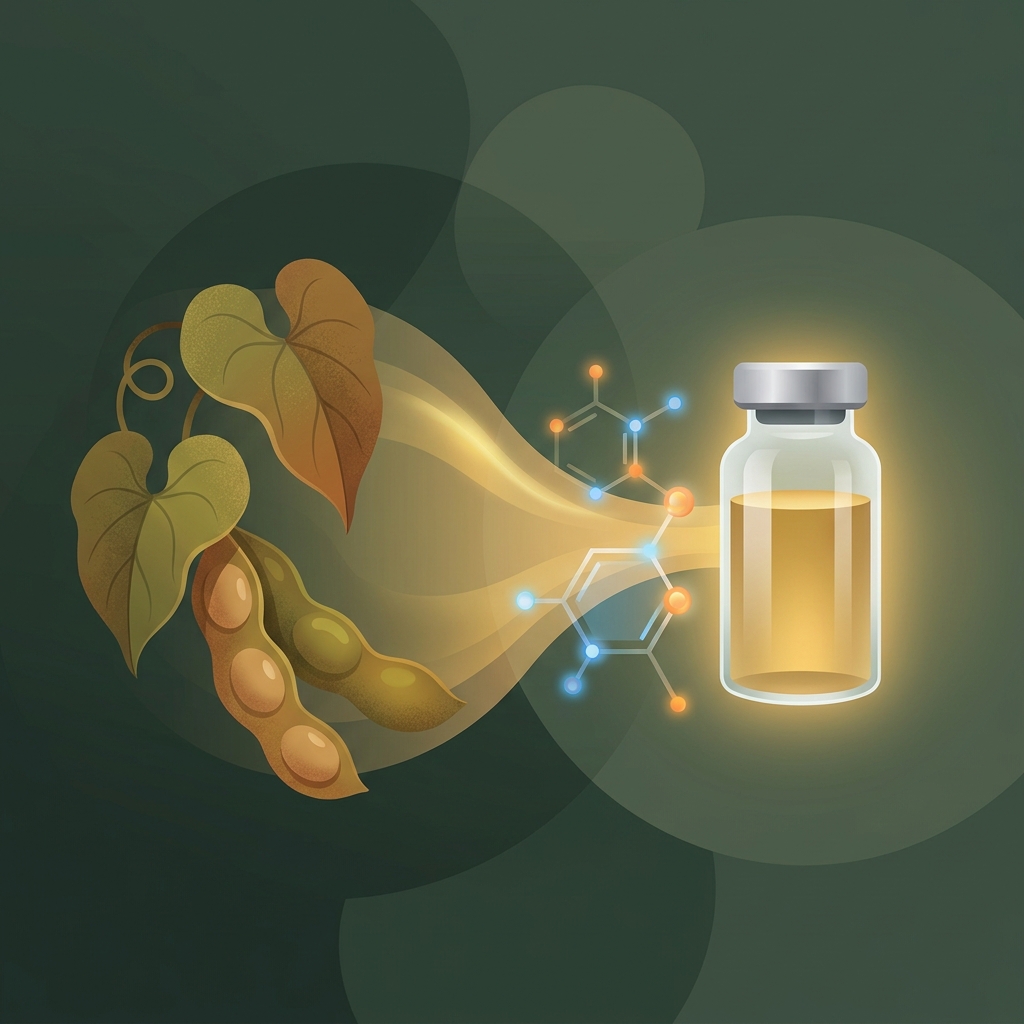
Ever wondered what are bioidentical hormones made from? This 2026 guide goes beyond 'soy or wild yam' to explain the biochemistry, the Marker degradation process, and the regulated supply chain behind every prescription. Learn how plant compounds become identical to human hormones.