Compounded Rosacea Treatment: When One-Size-Fits-All Fails Your Skin in 2026
Introduction: Why Standard Rosacea Treatments Leave So Many Patients Behind
Consider a striking statistic: as few as 18% of Americans with rosacea are appropriately treated, despite an estimated 16 million people living with the condition in the United States alone. The gap between those who need effective care and those who receive it is enormous, and it is not shrinking.
The problem extends far beyond U.S. borders. Rosacea affects approximately 415 million people worldwide, with an overall global prevalence of 5.1%. Yet it remains chronically undertreated and, in many cases, unrecognized altogether. A 2025 study of older adults found that 24.8% had rosacea on dermatologist examination, but only 7.3% had ever received a prior diagnosis. That is a massive underdiagnosis crisis hiding in plain sight.
At the heart of this failure lies a fundamental mismatch. Rosacea is a multifactorial condition driven by several simultaneous biological mechanisms, yet the commercial treatment landscape is dominated by single-agent monotherapies that cannot address its full pathophysiological complexity. When one drug targets one pathway, patients with overlapping features are left with partial relief at best.
Compounded rosacea treatment offers a clinical solution, not a last resort. It enables prescribers to target multiple rosacea drivers simultaneously in a single, personalized formulation. This article explains why commercial treatments fail specific rosacea subtypes, how compounding addresses those gaps, and how patients and prescribers can pursue a personalized solution through an accredited compounding pharmacy such as Nationwide Compounding Rx®.
Understanding Rosacea: A Condition Too Complex for One-Size-Fits-All Solutions
Rosacea is a chronic inflammatory dermatosis characterized by centrofacial erythema, telangiectasia, papulopustular lesions, and phymatous changes. It is not a single, uniform skin condition but a spectrum of overlapping presentations.
Modern dermatology has moved from subtype-based classification (types I through IV) to phenotype-based management, an approach endorsed by the Global ROSacea COnsensus (ROSCO) panel and the National Rosacea Society. This shift recognizes that individual patients present with overlapping features, each requiring targeted treatment rather than a rigid category.
The underlying pathophysiology is genuinely complex. According to a 2026 peer-reviewed review, rosacea is driven by genetic susceptibility, neurovascular dysfunction, innate immune dysregulation, Demodex mite infestation, and microbiome disruption. Each of these drivers responds to a different therapeutic approach.
The demographics are broader than once assumed. While rosacea predominantly affects fair-skinned women aged 20 to 50, global data now show significant prevalence in East Asia (4%), Latin America (3.5%), and the Middle East (3.4%). Patients of color often present diagnostic challenges because erythema can be harder to visualize against darker skin tones.
The psychosocial burden is severe. Research shows rosacea is associated with a 2.44-fold increased risk of depression and a 2.18-fold increased risk of anxiety, and over 85% of patients report moderate-to-extremely large effects on quality of life. Comprehensive symptom control is a mental health imperative, not merely a cosmetic one.
The clinical argument follows logically: because rosacea is driven by multiple simultaneous mechanisms, treating only one pathway, as most commercial products do, is inherently insufficient for many patients.
Where Commercial Rosacea Treatments Fall Short
FDA-approved rosacea therapies represent meaningful advances. The list includes metronidazole, azelaic acid, ivermectin 1% cream, brimonidine gel, oxymetazoline cream, minocycline foam 1.5%, microencapsulated benzoyl peroxide 5%, and low-dose oral extended-release minocycline 40 mg (approved November 2024). These are genuine tools.
The critical gap is coverage. Most FDA-approved options target inflammatory phenotypes (papules and pustules) or transient erythema, leaving erythema-dominant and barrier-dysfunction subtypes significantly underserved. No single commercially available product simultaneously addresses erythema, papulopustular lesions, Demodex infestation, and skin barrier dysfunction: the four most common overlapping rosacea features.
Antibiotic resistance is a growing concern. Antibiotics such as metronidazole and doxycycline hold over 50% of the rosacea treatment market revenue, but resistance pressures are driving clinical need for non-antibiotic alternatives.
Excipients present another problem. Commercial formulations often contain dyes, preservatives, and fillers that can trigger or worsen rosacea in sensitive patients, a problem that compounding directly solves.
There is also the polypharmacy burden. Patients with complex presentations may be prescribed three to five separate commercial products, reducing adherence and increasing cost. Finally, ocular rosacea is frequently overlooked. No FDA-approved topical ophthalmic formulation exists specifically for ocular rosacea, making compounding particularly critical for this population.
The Science Behind Compounded Rosacea Treatment
Compounded rosacea treatment refers to custom topical formulations (creams, gels, or ointments) prepared by a licensed compounding pharmacist. These combine multiple active ingredients in a single vehicle, tailored to an individual patient’s phenotype, skin type, and tolerance.
This approach aligns directly with phenotype-based management. Prescribers can select ingredients that target the specific features present in each patient, whether erythema, flushing, papules and pustules, barrier dysfunction, or Demodex burden, rather than defaulting to a one-size product.
The flagship example is the ABIMN Gel, a five-ingredient formulation combining Azelaic Acid, Brimonidine Tartrate, Ivermectin, Metronidazole, and Niacinamide. It addresses erythema, inflammation, Demodex infestation, and barrier dysfunction simultaneously in a single 30 mL hydrogel.
The evidence base is substantive. A 2024 peer-reviewed study found that 8-week treatment with compounded brimonidine 0.33% plus ivermectin 1% cream was effective for improving both erythema and inflammatory lesions in mild-to-moderate papulopustular rosacea. A 2025 randomized controlled trial of 82 patients showed that compound heparin sodium allantoin gel, added to oral doxycycline, significantly improved erythema, itching, burning, skin hydration, and transepidermal water loss versus a hyaluronic acid control at 8 and 12 weeks.
Combining multiple actives in one formulation also reduces product burden and improves adherence. Quality assurance is essential: PCAB-accredited pharmacies such as Nationwide Compounding Rx® source high-grade chemicals from FDA-inspected vendors and conduct independent third-party testing to verify potency, sterility, and consistency.
Key Active Ingredients in Compounded Rosacea Formulations
The following guide explains what each ingredient targets and why combining them in a compounded formulation is clinically superior to using each alone.
Azelaic Acid: Anti-Inflammatory and Barrier-Restoring Foundation
Azelaic acid inhibits kallikrein-5, reducing cathelicidin (LL-37) production, and delivers anti-inflammatory, antimicrobial, and mild antikeratinizing effects. It targets papulopustular lesions, erythema, and post-inflammatory hyperpigmentation, making it especially valuable for patients with skin of color. Commercially it is available as a 15% gel or 20% cream, but it cannot be combined with other actives in a single commercial product. Through compounding, it can be formulated at 15 to 20% alongside metronidazole, ivermectin, or niacinamide in a vehicle optimized for the patient’s skin type.
Metronidazole: Anti-Inflammatory and Antimicrobial Workhorse
Metronidazole reduces reactive oxygen species, inhibits neutrophil chemotaxis, and exerts antimicrobial effects against Demodex-associated bacteria. It targets papulopustular lesions and erythema and can also be used in sterile ophthalmic vehicles (0.5 to 0.75%) for ocular rosacea. Commercially it comes as a 0.75% or 1% gel or cream. Compounding allows it to be combined with azelaic acid, ivermectin, and niacinamide, or formulated into sterile eye drops for ocular rosacea, a population with no FDA-approved ophthalmic option.
Ivermectin: Targeting the Demodex-Inflammation Axis
Ivermectin acts as an antiparasitic against Demodex folliculorum mites and exerts direct anti-inflammatory effects independent of Demodex reduction. It targets papulopustular lesions driven by mite infestation and associated immune dysregulation. Commercially available only as a 1% cream, it cannot be combined with brimonidine or azelaic acid in a single product. Compounding allows it to be formulated at 1% with those agents for patients with overlapping phenotypes.
Brimonidine Tartrate: Precision Erythema Control
Brimonidine is a selective alpha-2 adrenergic agonist that causes direct vasoconstriction of cutaneous blood vessels, reducing persistent facial erythema, the most common and distressing rosacea feature. Commercially available only as a 0.33% gel, it can cause rebound erythema in some patients when used alone. Compounding allows adjusted concentrations alongside anti-inflammatory agents such as metronidazole and ivermectin, mitigating rebound risk while addressing both erythema and inflammation simultaneously.
Niacinamide and Barrier-Supportive Agents: Addressing the Skin Microbiome and Sensitivity
Niacinamide (vitamin B3) reduces transepidermal water loss, improves ceramide production, inhibits mast cell degranulation, and modulates innate immune responses. It targets barrier dysfunction, sensitivity, flushing, and microbiome disruption: features not addressed by any single FDA-approved rosacea product. Added at 2 to 4% in multi-ingredient formulations, it provides barrier restoration alongside active agents. Heparin sodium and allantoin, as studied in the 2025 trial, can also be compounded to improve hydration.
A Clinical Decision Framework: Who Is a Candidate for Compounded Rosacea Treatment?
Candidacy generally falls into five categories: (1) treatment-refractory patients who have failed two or more commercial monotherapies; (2) patients with overlapping phenotypes not addressable by a single product; (3) patients with excipient allergies or sensitivities to preservatives, dyes, or fillers; (4) patients with ocular rosacea requiring sterile ophthalmic preparations; and (5) patients with high polypharmacy burden seeking to consolidate multiple products.
Special populations deserve attention: patients with skin of color, where erythema is harder to visualize and dosing may need adjustment; older adults, where the 24.8% prevalence versus 7.3% diagnosis gap is most acute; and patients with comorbid depression or anxiety, where comprehensive symptom control carries documented mental health benefits.
Compounding has limits. Compounded medications are not FDA-approved and cannot be essentially copies of commercially available products. They require a valid prescription and documented medical necessity. Prescribers should document why a commercial alternative is inadequate for the specific patient before writing a compounding prescription.
Common Compounded Rosacea Formulations: From Dual Combinations to Five-Ingredient Gels
Dual-Ingredient Formulations
- Azelaic Acid 15% + Metronidazole 1.2% Gel: targets papulopustular lesions and mild erythema in inflammatory-dominant rosacea without significant Demodex burden.
- Brimonidine 0.33% + Ivermectin 1% Cream or Gel: targets erythema and Demodex-driven lesions simultaneously, supported by the 2024 RCT.
- Azelaic Acid 15% + Oxymetazoline HCl 1% Cream: combines anti-inflammatory and vasoconstrictive mechanisms.
Triple-Ingredient Formulations
- Azelaic Acid 15% + Ivermectin 1% + Metronidazole 1% Cream or Gel: addresses Demodex, inflammation, and mild erythema in moderate papulopustular rosacea.
- Azelaic Acid 15% + Metronidazole 1% + Oxymetazoline HCl 1% Cream: suits mixed erythematotelangiectatic and papulopustular phenotypes.
Vehicle selection is itself a customization advantage: gel bases suit oilier skin, while cream or lotion bases suit drier, more sensitive skin. This is one of the key benefits of custom medication formulation through a compounding pharmacy.
Five-Ingredient ABIMN Gel: The Comprehensive Phenotype Solution
The ABIMN Gel combines Azelaic Acid, Brimonidine Tartrate, Ivermectin, Metronidazole, and Niacinamide in a single hydrogel. It simultaneously addresses neurovascular dysfunction (brimonidine), innate immune dysregulation (azelaic acid and metronidazole), Demodex infestation (ivermectin), and barrier dysfunction (niacinamide). This consolidates what would otherwise require four to five separate products into a single once- or twice-daily application, dramatically improving adherence. It suits moderate-to-severe rosacea with overlapping phenotypes and treatment-refractory patients. Because it is a multi-ingredient preparation, it requires a pharmacy with demonstrated compounding expertise and independent quality testing.
Ocular Rosacea: The Subtype That Demands Compounding
Ocular involvement (blepharitis, conjunctivitis, keratitis) occurs in up to 58% of rosacea patients and is frequently underdiagnosed. Because no FDA-approved topical ophthalmic formulation exists specifically for ocular rosacea, compounding is the primary pharmacological option. Metronidazole at 0.5 to 0.75% can be added to sterile vehicles for direct conjunctival application. This requires a USP 797-compliant sterile compounding environment, so patients and prescribers should verify sterile compounding capability and PCAB accreditation before proceeding.
Navigating the Regulatory Landscape: What Patients and Prescribers Must Know
Two frameworks govern compounded medications in the U.S. Section 503A covers compounding by licensed pharmacists for individual patients with valid prescriptions, while Section 503B covers outsourcing facilities producing larger batches. Under Section 503A, compounded drugs require a valid patient-specific prescription and cannot be essentially copies of commercially available FDA-approved products.
A January 2025 FDA update clarified that bulk drug substances nominated on or after January 7, 2025, will not be placed into interim evaluation categories. Compounding pharmacies and prescribers must monitor this development to ensure continued access to specific active ingredients.
PCAB accreditation provides a meaningful quality signal. PCAB-accredited pharmacies such as Nationwide Compounding Rx® undergo independent audits, use FDA-inspected chemical sources, and conduct third-party testing. USP 800 compliance, which the pharmacy also maintains, governs the safe handling of hazardous drugs.
Prescribers should document the patient’s phenotypes, prior treatment failures, excipient sensitivities, and the clinical rationale for each ingredient. Compounded non-antibiotic combinations (ivermectin plus azelaic acid plus niacinamide) also support antibiotic stewardship amid growing resistance concerns.
How to Pursue a Compounded Rosacea Treatment: A Step-by-Step Guide
For Patients: Starting the Conversation with Your Dermatologist
- Document your phenotype and history. List all features present (persistent redness, flushing, bumps, eye irritation, sensitivity), prior treatments, and any reactions to commercial ingredients.
- Ask specifically about compounded options. For example: “I’ve read that compounded multi-ingredient formulations can target multiple rosacea features at once. Am I a candidate?”
- Ask about excipient sensitivities. If commercial products cause irritation, preservatives, fragrances, or dyes may be the culprit; compounded formulas can omit them.
- Confirm accreditation. Verify PCAB accreditation and, for ocular rosacea, USP 797-compliant sterile capability.
- Understand the process. Compounded prescriptions typically take one to two business days to prepare, and nationwide shipping is available through pharmacies like Nationwide Compounding Rx®, subject to state regulations.
For Prescribers: Writing and Managing Compounded Rosacea Prescriptions
- Conduct a phenotype-based assessment using the ROSCO framework to guide ingredient selection.
- Establish candidacy by confirming at least one criterion and documenting it in the patient record.
- Select the formulation matched to the phenotype profile, specifying the vehicle by skin type.
- Partner with an accredited 503A pharmacy such as Nationwide Compounding Rx® through its provider portal, confirming state licensing for the patient’s location.
- Monitor and adjust at each refill, scheduling follow-up at 8 to 12 weeks. According to prescribing pattern research, treatment patterns vary widely, making individualized adjustment valuable.
- Stay current on FDA updates to the 503A bulk drug substance list.
Why Accreditation Matters: Choosing the Right Compounding Pharmacy
Not all compounding pharmacies are equal. Quality, consistency, and safety vary significantly, and accreditation provides an objective signal. PCAB accreditation, from the Pharmacy Compounding Accreditation Board, enforces rigorous standards for compounding quality, personnel training, facility conditions, and documentation, verified through independent on-site audits.
Nationwide Compounding Rx® is PCAB accredited and USP 800 compliant. It sources pharmaceutical-grade ingredients exclusively from FDA-inspected and cleared vendors, conducts independent third-party testing, and offers one to two business day turnaround with nationwide shipping. Its provider partnership model follows a Connect, Collaborate, Create, Care framework, working directly alongside prescribers to develop and refine formulations rather than functioning as a transactional dispensary.
The pharmacy operates two secure portals: a Provider Portal for prescription submission, order tracking, and pharmacy team communication, and a Patient Portal for account management and refill requests. With multi-state licensing and nationwide shipping, it removes geographic barriers to personalized rosacea care.
The Broader Case for Compounding: Closing the Rosacea Treatment Gap
With only 18% of U.S. rosacea patients appropriately treated and 24.8% of older adults carrying an undiagnosed condition, the scale of unmet need demands more than incremental improvements to existing options. The mental health stakes are real: the documented depression and anxiety risks mean inadequate treatment has consequences far beyond appearance, making comprehensive symptom control a genuine clinical intervention.
The market reflects this shift. The global rosacea treatment market is projected to grow from $2.654 billion in 2025 to $4.983 billion by 2035 at a CAGR of 6.5%, driven in part by personalized medicine trends. Compounding sits at the leading edge of this movement and also answers the antibiotic stewardship imperative through non-antibiotic combinations.
Crucially, compounding is not experimental. Peer-reviewed RCTs, established pharmacology for each active ingredient, and decades of dermatology compounding practice support its legitimacy. The ROSCO panel’s endorsement of phenotype-based management is a clinical mandate for personalization, and compounding is its logical pharmaceutical expression.
Conclusion: Personalized Rosacea Care Is Not a Luxury, It Is a Clinical Standard
Rosacea’s multifactorial pathophysiology, spanning neurovascular dysfunction, immune dysregulation, Demodex infestation, and barrier disruption, cannot be reliably addressed by any single FDA-approved product for a significant proportion of patients. With millions undertreated, underdiagnosed, and experiencing measurable mental health consequences, compounded multi-ingredient formulations represent a critical care option the dermatology community must embrace more broadly.
Compounding requires a valid prescription, documented medical necessity, and partnership with an accredited pharmacy. That framework exists to ensure safety and quality, not to restrict access. As phenotype-based management becomes the clinical standard and personalized medicine continues to reshape dermatology, compounded rosacea treatment is not a niche workaround. It is the logical evolution of evidence-based, patient-centered care.
Ready to Explore a Personalized Rosacea Formulation? Connect with Nationwide Compounding Rx®
For patients: If current rosacea treatment is not delivering comprehensive relief, patients should ask their dermatologist about a compounded formulation tailored to their specific phenotype and mention Nationwide Compounding Rx® as an accredited compounding partner.
For prescribers: Nationwide Compounding Rx® partners directly with dermatologists through a structured Connect, Collaborate, Create, Care process. Prescriptions can be submitted, orders tracked, and the pharmacy team contacted through a secure Provider Portal.
Quality you can trust: PCAB accredited, USP 800 compliant, FDA-inspected chemical sourcing, independent third-party testing, one to two business day turnaround, and nationwide shipping.
Get in touch: Reach Nationwide Compounding Rx® by phone at (480) 499-8379, by fax at 480-699-5341, or through the contact form at nationwidecompounding.com. The team responds to inquiries within one business day.
With the rosacea treatment gap affecting millions of patients and the regulatory landscape continuing to evolve, now is the time for prescribers and patients to explore personalized compounding as a first-line consideration, not a last resort.
Related Posts

Fairview Specialty Pharmacy will be out-of-network for UnitedHealthcare Medicare Advantage starting January 1, 2027, affecting up to 125,000 Minnesota patients. This guide breaks down what specialty medication users need to know before the enrollment deadline and how to build a backup plan.

Searching for University Compounding Pharmacy San Diego? This 2026 guide confirms UCP's location, specialties, and PCAB status while showing how to verify any compounding pharmacy's credentials. It also compares UCP to alternatives like Nationwide Compounding Rx for specific patient needs.
Senderra Specialty Pharmacy is a major player in dispensing biologic therapies for dermatology, rheumatology, and oncology patients. This article breaks down what Senderra does well, where patients often hit friction, and how PCAB-accredited compounding pharmacies can complement—not replace—biologic treatment plans in 2026.
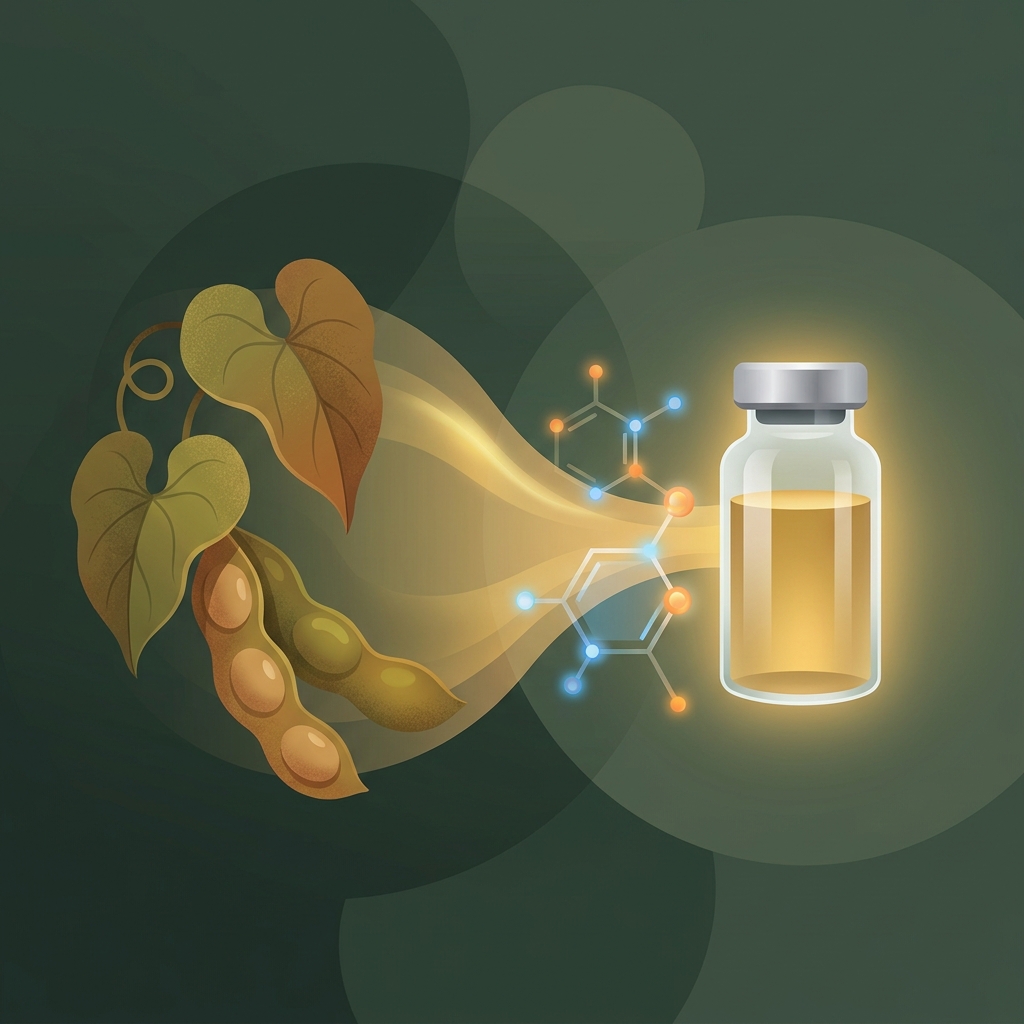
Ever wondered what are bioidentical hormones made from? This 2026 guide goes beyond 'soy or wild yam' to explain the biochemistry, the Marker degradation process, and the regulated supply chain behind every prescription. Learn how plant compounds become identical to human hormones.