
Sterile vs. Non-Sterile Compounding Pharmacy: The Complete 2026 Patient and Provider Guide
Introduction: Why the Sterile vs. Non-Sterile Distinction Could Affect Your Health
In 2012, a single compounding pharmacy in Massachusetts shipped contaminated methylprednisolone acetate injections to pain clinics across 20 states. The result was the deadliest pharmaceutical compounding disaster in U.S. history: more than 50 to 70 deaths and over 700 infections traced to fungal meningitis. The New England Compounding Center outbreak was not caused by a defective drug. It was caused by a breakdown in sterile compounding practices.
That tragedy is the clearest possible illustration of why the difference between sterile and non-sterile compounding matters far beyond a technical label. This guide goes past the surface-level “injectables versus creams” definition to explain the regulatory, safety, and practical consequences of the divide.
Compounding is not a fringe practice. More than 30 million compounded prescriptions are dispensed each year in the U.S., and the market was valued at approximately $6.45 billion in 2025, projected to reach $11.52 billion by 2035. This guide is written for patients seeking custom medications, caregivers, and healthcare providers who want to make informed, safety-conscious decisions.
It covers definitions, the USP <795>, <797>, and <800> frameworks, the 503A versus 503B regulatory split, real-world safety incidents, cost and turnaround differences, and a practical checklist for vetting a pharmacy. Throughout, Nationwide Compounding Rx®, a PCAB-accredited, USP 800-compliant pharmacy with 40+ years of combined team experience and the capability to produce both sterile and non-sterile preparations, serves as a real-world reference point.
What Is Pharmaceutical Compounding? A Plain-Language Foundation
Pharmaceutical compounding is the process of mixing, altering, or customizing medications to meet unique patient needs when commercially available drugs fall short. Patients and providers turn to compounding for four core reasons:
- The required dosage or strength is not commercially available.
- An allergen-free formulation is needed (no dyes, fillers, or preservatives).
- An alternative delivery form is required (for example, a child who cannot swallow pills).
- A medication has been discontinued or is in shortage.
Compounding spans pediatrics, hormone therapy, pain management, dermatology, oncology, sports medicine, and veterinary care. The sterile versus non-sterile classification determines the safety infrastructure, regulatory oversight, and clinical risk profile of every compounded medication. Three USP chapters govern this work: USP <795> (non-sterile), USP <797> (sterile), and USP <800> (hazardous drugs).
Non-Sterile Compounding: Definitions, Dosage Forms, and Clinical Uses
Non-sterile compounding refers to medications that do not need to be completely free of microorganisms, because they are not introduced into sterile areas of the body. These medications are applied externally or taken orally, meaning the skin and digestive system provide a natural protective barrier against microbial contamination.
Primary non-sterile dosage forms include:
- Topical creams, gels, and ointments
- Oral capsules and tablets
- Oral liquids and suspensions
- Sublingual tablets and troches or lozenges
- Suppositories
- Flavored pediatric preparations (liquids, popsicles, suckers)
Common use cases include skin conditions such as eczema, psoriasis, rosacea, acne, and scarring; bioidentical hormone replacement therapy (BHRT) and testosterone replacement therapy (TRT) in topical or oral forms; pediatric medications with improved taste and age-appropriate dosing; pain management creams that localize treatment and reduce systemic side effects; allergen-free formulations; and veterinary medications. Notably, 80% of non-sterile compounding pharmacies serve both human and veterinary patients.
The non-sterile compounding market was valued at $4.804 billion in 2025 and is projected to reach $6.803 billion by 2035, with hormone replacement therapy accounting for roughly 36% of all compounded therapies dispensed. Automation and 3D printing are emerging in this space, particularly for pediatric dosage forms, where gravimetric workflows have demonstrated error interception rates of approximately 7.89% across hundreds of thousands of doses.
Nationwide Compounding Rx® offers the full range of non-sterile forms, including capsules, liquids, topicals, troches, tablets, suppositories, and pediatric-specific forms with flavors such as cherry, bubblegum, and piña colada.
Sterile Compounding: Definitions, Dosage Forms, and Clinical Uses
Sterile compounding produces medications that must be completely free from living microorganisms, pyrogens, and particulate matter. Sterility is non-negotiable because these preparations bypass the body’s natural defenses entirely. Injected directly into the bloodstream, muscles, or eyes, even trace contamination can cause serious infections, sepsis, blindness, or death.
Primary sterile dosage forms include:
- Injectables (subcutaneous, intramuscular, intravenous)
- IV infusions and large-volume parenterals
- Ophthalmic drops and solutions
- Inhalation therapies
- Parenteral nutrition (including NICU and pediatric PN)
Common use cases include IV infusions for patients who cannot take oral medications, injectable peptides and GLP-1 agonists, ophthalmic solutions, chemotherapy tailored to patient weight and protocol, NICU parenteral nutrition, and pain management injectables.
Sterile products accounted for 57.98% of the global compounding pharmacy market in 2025, reflecting high clinical demand. USP <797> also defines risk categories within sterile compounding, based on the number of manipulations, the preparation environment, and whether non-sterile ingredients are used. This infrastructure makes sterile compounding significantly more complex and costly than non-sterile work.
Side-by-Side Comparison: Sterile vs. Non-Sterile Compounding at a Glance
| Factor | Non-Sterile | Sterile |
|---|---|---|
| Sterility requirement | Not required | Completely free of microorganisms |
| Common forms | Creams, capsules, liquids, suppositories | Injectables, IV, eye drops |
| Route | Topical, oral | Injection, infusion, ophthalmic |
| Governing USP chapter | <795> | <797> |
| Facility needs | Sanitary conditions, PPE | ISO cleanrooms, laminar flow hoods |
| Oversight burden | Lower | Highest |
| Beyond-use dating | Stability-based | Sterility-test-based categories |
| Personnel testing | Training and competency | Media fill and glove fingertip testing |
| Relative cost | Lower | Higher |
| Turnaround | Faster | Slower (release testing required) |
This distinction determines the entire safety infrastructure, regulatory burden, and cost structure of a pharmacy. A sterile compounding license is a separate credential from a non-sterile license. Not every pharmacy is equipped or licensed to prepare sterile medications, and choosing the wrong one for an injectable is a patient safety risk, not merely an inconvenience. Nationwide Compounding Rx®’s three-tier state licensing map illustrates exactly how sterile versus non-sterile capability affects which patients a pharmacy can legally serve.
The Regulatory Framework: USP <795>, <797>, and <800> Explained
The United States Pharmacopeia (USP) is the independent scientific organization that sets compounding standards enforced by state boards of pharmacy and referenced by the FDA. Three foundational chapters govern safe compounding in the U.S.
USP <795>: The Non-Sterile Compounding Standard
USP <795> governs non-sterile preparations, covering ingredient quality and sourcing, dosing accuracy, equipment calibration, stability and beyond-use dating, storage, documentation (Master Formulation Records and Compounding Records), and personnel training. It does not require an aseptic cleanroom but does mandate sanitary conditions, appropriate PPE, and rigorous quality controls.
The 2023 revisions updated beyond-use date (BUD) guidance based on stability data, strengthened documentation, clarified personnel competency standards, and updated facility requirements. Compliance deadlines have been rolling out through 2024 to 2026, so some pharmacies remain in transition. The Washington State DOH 2026 addendum is one example of a state codifying these revisions into enforceable law.
USP <797>: The Sterile Compounding Standard
USP <797> sets the most rigorous standards in compounding. Requirements include ISO-classified cleanrooms (ISO 5, 7, and 8 depending on activity), laminar airflow hoods and biological safety cabinets, aseptic technique, environmental monitoring, media fill testing, glove fingertip testing, and BUDs based on sterility testing.
The 2023 revisions updated facility design and engineering controls, revised BUD categories, strengthened competency verification, and updated monitoring frequency. Compliance is resource-intensive: cleanroom construction, specialized HVAC, ongoing monitoring, equipment qualification, and continuous competency testing all carry significant costs. Approximately 30% of 503A facilities also compound sterile preparations, meaning most compounding pharmacies are non-sterile only.
USP <800>: Hazardous Drug Handling in Compounding
USP <800> sets standards for safely handling, preparing, and disposing of hazardous drugs, primarily chemotherapy agents, certain hormones, and drugs with carcinogenic or reproductive toxicity potential. Facilities compounding sterile hazardous medications must comply with both USP <797> and <800>, requiring containment primary engineering controls within ISO cleanrooms. USP <800> also applies to non-sterile hazardous compounding, such as certain hormones. A pharmacy compounding these preparations without USP <800> compliance endangers both patients and staff. Nationwide Compounding Rx®’s USP 800 compliance is a credential patients should look for when evaluating a pharmacy.
The 503A vs. 503B Regulatory Split: What Patients and Providers Rarely Understand
The Drug Quality and Security Act (DQSA) of 2013, passed directly in response to the NECC outbreak, created two federal categories for compounding pharmacies. This split is one of the most consequential and least understood aspects of compounding oversight.
503A Pharmacies: Patient-Specific, State-Regulated
503A pharmacies compound medications based on individual patient-specific prescriptions, are regulated primarily by state boards of pharmacy, and are exempt from FDA current Good Manufacturing Practice (cGMP) requirements. They are not required to register with the FDA, and the FDA does not routinely inspect them, leading to significant state-by-state variability in oversight. They can compound sterile and non-sterile preparations for individual patients but cannot compound in bulk without patient-specific prescriptions. Because FDA inspection is not routine, PCAB accreditation and state licensure verification become the primary tools for assessing quality.
503B Outsourcing Facilities: FDA-Registered, cGMP-Compliant
503B outsourcing facilities can compound in bulk without patient-specific prescriptions, must register with the FDA, comply with full cGMP standards, and undergo routine inspections. They are held to the same standards as pharmaceutical manufacturers, making them the most rigorously regulated category. The trade-off is that they produce standardized batches rather than individualized preparations. According to Alvarez & Marsal’s 2025 analysis, there are roughly 81 FDA-registered 503B facilities, and about 20% also own a 503A pharmacy. The 2025 to 2026 GLP-1 enforcement actions targeted primarily 503B facilities and telehealth companies sourcing from non-compliant compounders.
Why the 503A/503B Split Creates Vastly Different Patient Safety Outcomes
Because 503A pharmacies are state-regulated and not routinely FDA-inspected, the quality of oversight a patient receives depends heavily on the state and the pharmacy. This is not an argument against 503A compounding; the vast majority operate safely and provide essential medications. It does mean, however, that due diligence is essential. The sterile versus non-sterile distinction amplifies the gap: a 503A pharmacy preparing sterile injectables without proper USP <797> compliance represents a far higher risk. A 2026 JAMA Health Forum secret-shopper study found that of 23 compounding pharmacies supplying compounded GLP-1 drugs, 4 did not hold the license required for sterile compounding. Patients should ask any pharmacy for proof of state sterile licensure, PCAB accreditation, and 2023 USP <797> compliance.
When Safety Failures Happen: Historical Incidents That Shaped Modern Standards
Understanding the history of sterile compounding failures explains why the rules exist. Documented tragedies include contaminated large-volume parenterals (9 deaths in the 1970s), contaminated cardioplegia solutions (5 deaths in the 1980s), and contaminated hospital syringes (11 deaths in the 1990s). Between 1990 and 2005, ISMP data documented 12 national contamination incidents involving over 19,000 patients and at least 15 deaths.
The 2012 NECC outbreak remains the deadliest, with more than 50 to 70 deaths and over 700 infections across 20 states, prompting the DQSA and the creation of the 503B category. A 2023 contaminated ophthalmic drops incident that blinded patients confirmed that these failures are not merely historical. Through mid-2026, the FDA received more than 455 adverse event reports linked to compounded semaglutide and more than 320 for tirzepatide, issuing three enforcement waves within 12 months. As CDC analysis found, the consistent thread across major incidents is breaches in aseptic processing, exactly what USP <797> is designed to prevent.
The 2026 GLP-1 Compounding Crisis: A Real-World Lesson in Sterile Compounding Compliance
During the 2023 to 2025 semaglutide and tirzepatide shortages, the FDA exercised enforcement discretion allowing compounding pharmacies to prepare these GLP-1 medications. Compliance failures quickly emerged. A 2026 secret-shopper study found 75 businesses still offering compounded GLP-1 drugs after shortages ended, and 4 of 23 supplying pharmacies lacked the required sterile compounding license.
On April 30, 2026, the FDA proposed permanently excluding semaglutide, tirzepatide, and liraglutide from the 503B Bulks List, which would close the last major legal pathway for most compounded GLP-1s. Because GLP-1 medications are injectables governed by USP <797>, any pharmacy compounding them without a valid sterile license and proper cleanroom infrastructure is operating outside the law. The takeaway for patients and providers is straightforward: verify a pharmacy’s sterile credentials before sourcing any injectable.
Cost, Turnaround Time, and Access: The Practical Differences
Sterile compounding costs more because cleanroom construction, specialized HVAC, laminar flow hoods, environmental monitoring, media fill testing, glove fingertip testing, and continuous competency training all represent major investments that non-sterile work does not require. These costs are not excessive; they are the price of patient safety. Injectables priced dramatically below market rates should be treated as a red flag, not a bargain.
Non-sterile preparations are generally faster to produce because sterile products require additional release testing. Nationwide Compounding Rx® offers a 1 to 2 business day turnaround with same-day pickup available for some medications, a useful benchmark. Its three-tier state licensing map shows how sterile versus non-sterile capability affects which patients can be served. Compounded medications are generally not covered by insurance the way commercial drugs are, and sterile preparations tend to cost more out-of-pocket. For patients who genuinely need a discontinued or customized medication, however, compounding may be the only viable option.
Clinical Use Cases by Specialty: Matching the Right Compounding Type to the Right Patient
Understanding which specialties require sterile versus non-sterile compounding helps ensure the right pharmacy is selected.
Hormone Replacement Therapy (BHRT/TRT)
BHRT and TRT are the most popular compounded formulations, at roughly 36% of therapies dispensed. They can be non-sterile (creams, gels, troches, capsules, sublingual tablets) or sterile (injectable testosterone, hormone pellets). Compounded BHRT can be adjusted at each refill based on lab results. Some hormone preparations fall under USP <800>, so patients should verify compliance.
Pain Management
Pain management held 31.23% of the market in 2025. Non-sterile use involves topical pain management creams combining analgesics and anti-inflammatories to localize treatment and reduce addiction risk. Sterile use includes nerve blocks, epidural, and intrathecal preparations requiring full USP <797> compliance. Patients receiving pain injections should confirm sterile licensure and PCAB accreditation.
Pediatrics
Pediatric needs include age- and weight-specific dosing, flavored liquids and suckers, and allergen-free formulas. Most pediatric compounding is non-sterile, though NICU patients may need sterile parenteral nutrition. Automated gravimetric workflows intercept errors at approximately 7.89%. Nationwide Compounding Rx® offers age-specific medications for children who cannot swallow pills with multiple flavor options.
Dermatology
Dermatology is a primary non-sterile specialty, covering acne, rosacea, eczema, psoriasis, scarring, stretch marks, and aging. Compounded preparations can combine multiple active ingredients, adjust concentrations, and eliminate irritants. Some intralesional injections require sterile compounding, so providers should specify the route when ordering.
Oncology and Specialty Infusion
Oncology compounding is exclusively sterile. Chemotherapy is tailored to patient weight and protocol and must be prepared in ISO cleanrooms under both USP <797> and <800>. Specialty infusion (IV antibiotics, parenteral nutrition) also requires full USP <797> compliance. Providers should verify both credentials before sourcing.
Sports Medicine and Peptide Therapy
Peptide therapies and injectable sports medicine preparations are sterile products governed by USP <797>. The 2025 to 2026 FDA enforcement wave highlights the compliance risks in this category. Non-sterile options include topical anti-inflammatory creams and recovery gels. Nationwide Compounding Rx® offers personalized formulations to support recovery and reduce inflammation.
Veterinary Compounding: The Often-Overlooked Non-Sterile Market
Some 80% of non-sterile compounding pharmacies serve both human and veterinary patients. Common veterinary uses include flavored oral medications, transdermal ear-flap gels, allergen-free formulas, and species-specific dosing. Veterinary sterile compounding also exists and requires the same USP <797> compliance. Nationwide Compounding Rx®’s animal-friendly flavors reflect this capability.
How to Choose a Compounding Pharmacy: A Patient and Provider Verification Checklist
The following checklist provides practical guidance for choosing any compounding pharmacy, with particular emphasis on sterile verification.
Step 1: Verify State Licensure for the Specific Compounding Type Needed
A sterile license is separate from a non-sterile license. Patients and providers should ask directly: “Are you licensed to compound sterile preparations in my state?” and verify the answer with the state board. Multi-state pharmacies like Nationwide Compounding Rx® maintain tiered licensing. Most state boards offer online license verification tools that also display disciplinary history.
Step 2: Confirm PCAB Accreditation
The Pharmacy Compounding Accreditation Board is the gold-standard voluntary accreditation, requiring demonstrated USP compliance and quality management. Because accreditation is voluntary, not all pharmacies pursue it, but its presence is a strong positive indicator. Accreditation status can be verified directly on the PCAB website. Nationwide Compounding Rx®’s PCAB accreditation distinguishes it from non-accredited pharmacies.
Step 3: Ask About USP Compliance and the 2023 Revisions
Patients and providers should ask: “Are you compliant with the 2023 revisions to USP <795> and <797>?” For sterile work, follow-up questions should cover ISO cleanroom classification, monitoring frequency, media fill schedule, and BUD practices. For hazardous drugs, ask about USP <800> compliance and containment controls. Reputable pharmacies answer these questions clearly; vague or evasive responses are a red flag.
Step 4: Verify Third-Party Testing and Ingredient Sourcing
Independent third-party testing objectively verifies potency, purity, and sterility. Patients and providers should ask: “Do you conduct independent third-party testing?” and “Where do you source your active ingredients?” High-quality pharmacies source exclusively from FDA-inspected and cleared vendors. Nationwide Compounding Rx® practices both.
Step 5: Evaluate Turnaround Time, Shipping Capabilities, and Communication
Patients and providers should ask about standard preparation times and expedited options, confirm the pharmacy is licensed to ship the specific preparation type to their state, and evaluate whether the pharmacy offers secure patient and provider portals and responds within one business day. Nationwide Compounding Rx®’s 1 to 2 business day turnaround, same-day pickup available for some medications, nationwide shipping, and secure portals serve as useful benchmarks.
Questions Providers Should Ask Before Partnering with a Compounding Pharmacy
Providers evaluating a clinical partner should ask:
- What sterile and non-sterile capabilities do you have, and what states are you licensed to serve?
- Are you PCAB accredited and compliant with the 2023 USP revisions?
- Do you offer a dedicated provider portal for submission, tracking, and communication?
- Can you accommodate urgent prescriptions?
- Do you provide certificates of analysis or third-party testing results?
- How do you handle adverse event reporting and complaints?
- What is your process for developing a formulation not in your formulary?
The best pharmacies function as collaborative clinical partners. Nationwide Compounding Rx®’s “Connect, Collaborate, Create, Care” framework exemplifies structured prescriber-pharmacy collaboration. Providers who prescribe compounded medications regularly should establish a formal relationship with a PCAB-accredited pharmacy rather than sending prescriptions on an ad hoc basis.
The Future of Compounding: Trends Shaping Sterile and Non-Sterile Pharmacy Through 2030
The U.S. compounding market is projected to grow from $6.45 billion in 2025 to $11.52 billion by 2035 at a 5.97% CAGR, driven by personalized medicine, aging demographics, and demand for allergen-free and custom-dosed preparations. Hormone replacement therapy is projected to grow fastest at a 7.86% CAGR from 2026 to 2031.
Automation and 3D printing continue to improve precision and reduce variability in non-sterile compounding, especially for pediatrics. As oncology, rare disease treatment, and biomarker-driven dosing expand, demand for USP <797>-compliant sterile compounding will grow accordingly. The 2023 USP revisions, the 2026 GLP-1 enforcement actions, and the proposed 503B Bulks List changes all signal that regulation will continue to tighten. With 80% of non-sterile pharmacies already serving veterinary patients, that segment also represents significant growth potential.
Conclusion: The Sterile vs. Non-Sterile Distinction Is a Patient Safety Issue, Not Just a Technical One
The sterile versus non-sterile distinction is not a technical label for pharmacists. It is a patient safety framework. Sterile preparations bypass the body’s natural defenses and demand ISO cleanrooms, aseptic technique, and rigorous USP <797> compliance. Non-sterile preparations are governed by USP <795> and suit topical and oral routes. The 503A/503B split creates vastly different oversight levels. The 2023 USP revisions raised the bar for all pharmacies, and the 2026 GLP-1 crisis is the most recent illustration of what happens when sterile compliance fails.
Patients and providers now have the tools to ask the right questions: state licensure for the specific compounding type, PCAB accreditation, USP compliance status, third-party testing, and ingredient sourcing. As personalized medicine grows, those who understand this distinction will be best positioned to access safe, high-quality custom medications. Nationwide Compounding Rx® meets the standards this guide describes: PCAB accredited, USP 800 compliant, independently tested, and capable of both sterile and non-sterile compounding.
Ready to Work with a PCAB-Accredited Compounding Pharmacy? Connect with Nationwide Compounding Rx®
Whether seeking a custom medication or a trusted clinical partner, Nationwide Compounding Rx® offers PCAB-accredited, USP 800-compliant sterile and non-sterile compounding with 40+ years of combined team experience.
Key advantages include:
- Both sterile and non-sterile compounding capabilities
- PCAB accreditation and USP 800 compliance
- Independent third-party testing and FDA-inspected ingredient sourcing
- 1 to 2 business day turnaround with same-day pickup available for some medications
- Nationwide shipping across multiple licensed states
- Secure provider and patient portals for streamlined prescription management
Contact: (480) 499-8379, 14000 N. Hayden Rd., Suite 104, Scottsdale, AZ 85260. Hours: Monday through Friday, 7:00 AM to 3:30 PM.
Providers are invited to explore the “Connect, Collaborate, Create, Care” partnership model through the provider portal. Patients can reach out through the website contact form or patient portal, with inquiries answered within one business day. At Nationwide Compounding Rx®, patient safety is not a compliance checkbox; it is the foundation of every preparation the pharmacy produces.
Related Posts

Fairview Specialty Pharmacy will be out-of-network for UnitedHealthcare Medicare Advantage starting January 1, 2027, affecting up to 125,000 Minnesota patients. This guide breaks down what specialty medication users need to know before the enrollment deadline and how to build a backup plan.

Searching for University Compounding Pharmacy San Diego? This 2026 guide confirms UCP's location, specialties, and PCAB status while showing how to verify any compounding pharmacy's credentials. It also compares UCP to alternatives like Nationwide Compounding Rx for specific patient needs.
Senderra Specialty Pharmacy is a major player in dispensing biologic therapies for dermatology, rheumatology, and oncology patients. This article breaks down what Senderra does well, where patients often hit friction, and how PCAB-accredited compounding pharmacies can complement—not replace—biologic treatment plans in 2026.
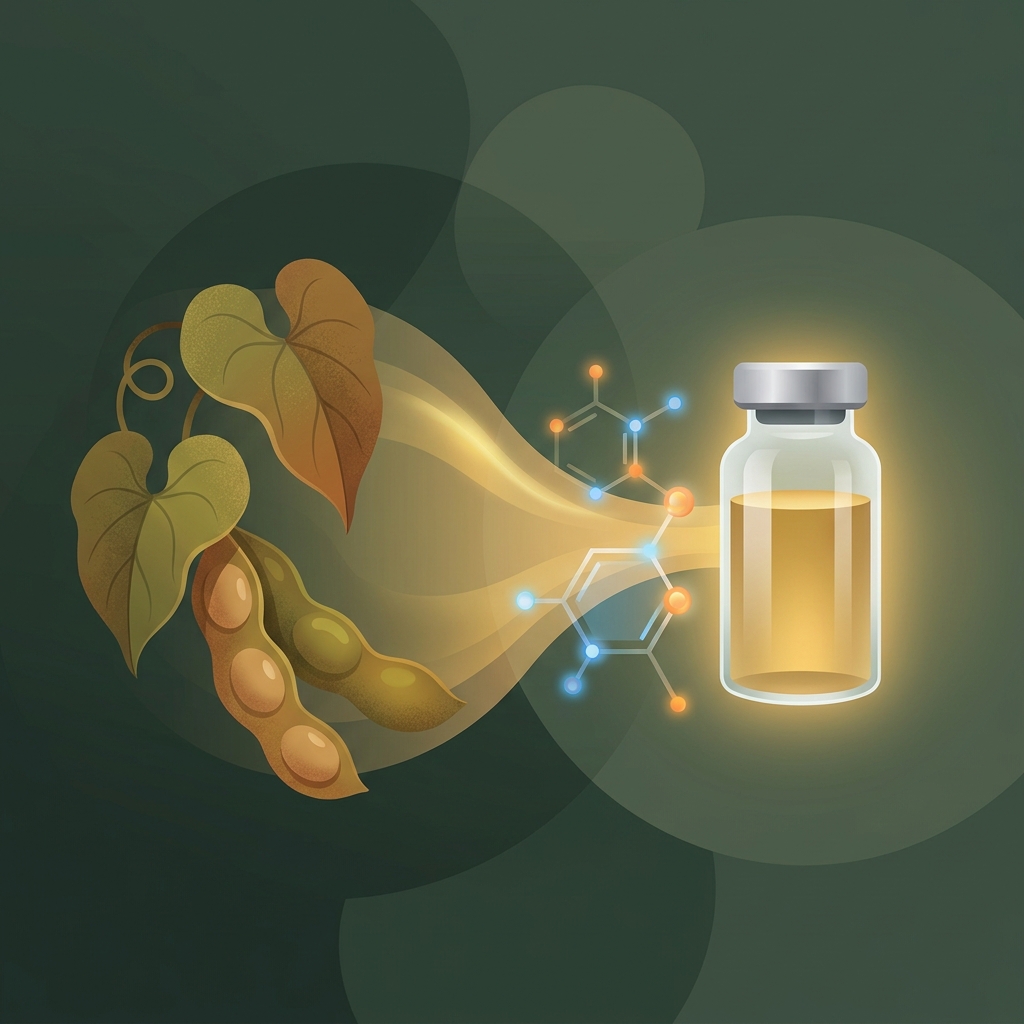
Ever wondered what are bioidentical hormones made from? This 2026 guide goes beyond 'soy or wild yam' to explain the biochemistry, the Marker degradation process, and the regulated supply chain behind every prescription. Learn how plant compounds become identical to human hormones.