
Not all compounding pharmacies are the same—and the difference between sterile and non-sterile compounding can directly impact patient safety. This complete 2026 guide breaks down USP standards, regulatory frameworks, and what patients and providers must know before choosing a compounding pharmacy.

Fixed-dose HRT products leave many patients over- or under-dosed when their ideal level falls between manufactured strengths. Adjustable hormone dosing based on lab results solves this by treating every refill as a personalized recalibration. Discover how this workflow works and why it matters more than ever in 2026.

Most prescribers skip the pre-prescription clinical dialogue with compounding pharmacists—a gap with serious compliance and liability consequences in 2026. A structured compounding pharmacy consultation for prescribers is now the critical first step in the prescribing workflow. Discover what it includes, when it's required, and how it protects both patients and practitioners.

GLP-1 medications dominate headlines, but medical appetite suppressant compounding in 2026 offers a far broader landscape than most prescribers and patients realize. From custom-dosed phentermine combinations to peptide-based options, legally accessible 503A compounding remains robust and clinically sophisticated. This guide covers the full spectrum of compoundable weight management therapies available today.

Choosing between compounded pain cream and oral pain medication isn't straightforward—the right answer depends on your pain type, patient profile, and formulation quality. This honest 2026 clinical comparison weighs the real pharmacokinetic advantages of topical delivery against its limitations, including key randomized controlled trial data. Get the evidence-based guidance you need to make an informed decision.
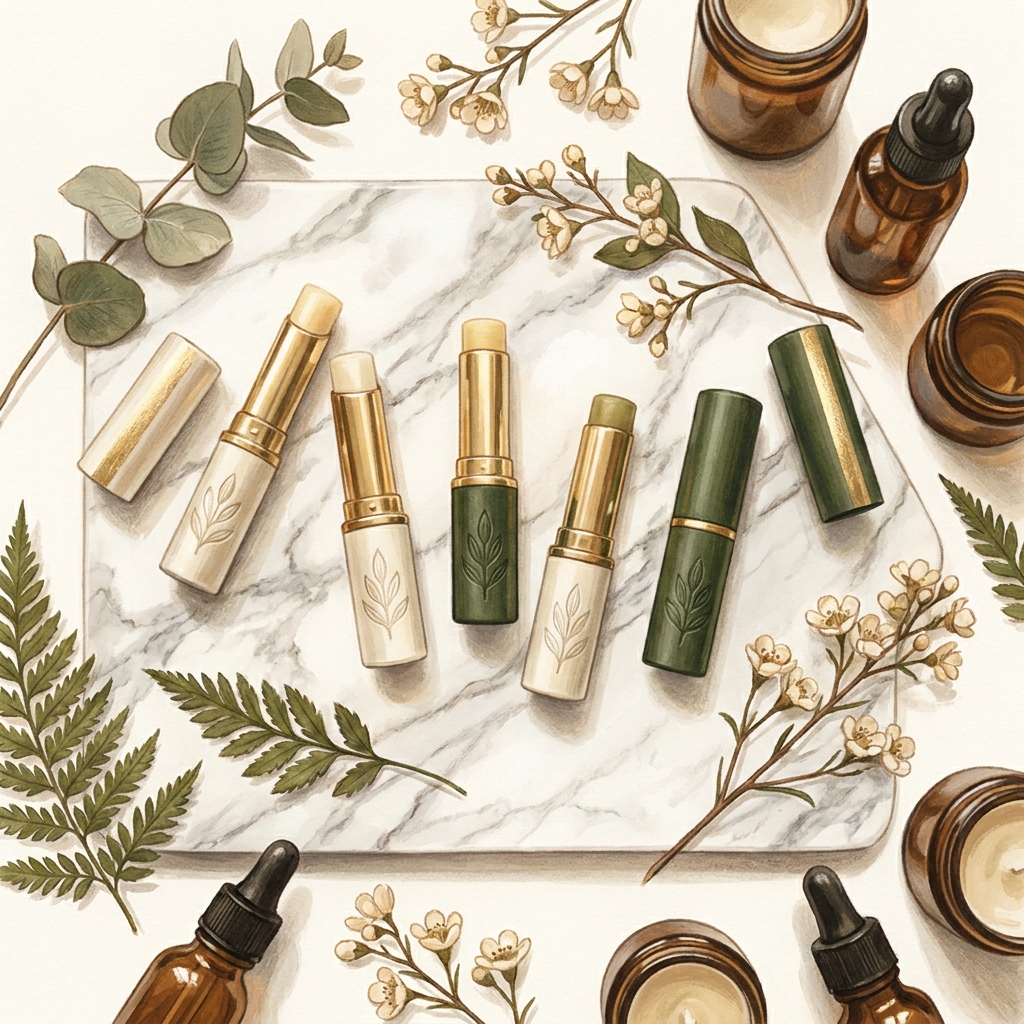
Lip Balm Medication Compounding Pharmacy: The Clinical Guide to Medicated Stick Formulations in 2026
A lip balm medication compounding pharmacy can formulate prescription-strength medicated sticks tailored to each patient's exact clinical needs—something no off-the-shelf product can match. This clinical guide covers active ingredients, mechanisms of action, regulatory requirements, and beyond-use dating for compounded lip formulations in 2026. Whether treating recurrent cold sores or managing sensitivity reactions, custom medicated lip balms offer a precise, personalized alternative.
Topical gabapentin offers localized neuropathic pain relief while minimizing systemic side effects—but formulation choices make or break outcomes. This guide covers base selection, transdermal delivery challenges, and an honest assessment of the clinical evidence in 2026. Pharmacists and prescribers will also find critical USP <795> BUD compliance guidance.
The 2026 regulatory landscape has fundamentally reshaped medical weight loss medication compounding, with the FDA moving to exclude semaglutide and tirzepatide from the 503B Bulks List. This clinic partnership playbook covers compliant pharmacy vetting, 503A clinical justification workflows, and the operational infrastructure needed to build a sustainable, scalable weight loss practice. Access alone no longer drives success—clinical systems do.

Demand for compounded bioidentical hormone therapy is surging in 2026, but fewer than 3% of U.S. compounding pharmacies hold independent quality accreditation. This guide gives patients and providers a practical four-pillar framework to vet and choose the right BHRT compounding pharmacy with confidence.

Most guides tell you how to find a compounding pharmacy—few explain what happens next. This lifecycle framework helps patients and providers build a long-term compounding pharmacy relationship that compounds value over time. From the first 90 days to annual re-vetting, learn how to sustain a partnership that directly improves adherence, outcomes, and practice risk.

At Nationwide Compounding Rx®, we partner with prescribing practices to provide personalized medications with quality, safety, and patient care at the forefront. We offer convenient pickup, free standard shipping, same-day pickup on select medications, and a 1–2 business day turnaround on most orders.
At Nationwide Compounding Rx®, we partner with prescribing practices to provide personalized medications with quality, safety, and patient care at the forefront. We offer convenient pickup, free standard shipping, same-day pickup on select medications, and a 1–2 business day turnaround on most orders.
Quick Links
Accredited & Compliant