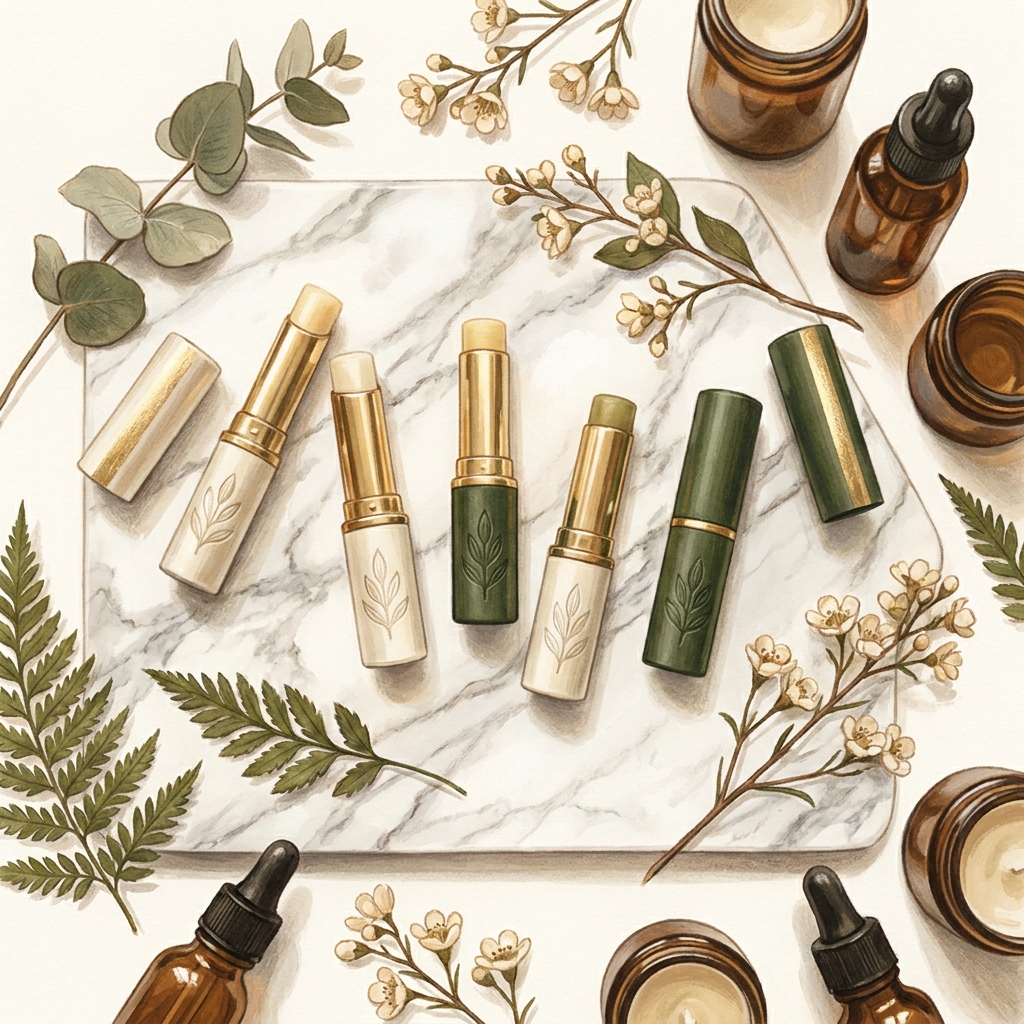
Lip Balm Medication Compounding Pharmacy: The Clinical Guide to Medicated Stick Formulations in 2026
Introduction: Why Compounded Lip Balm Medications Are Redefining Topical Drug Delivery
Commercially available lip balms and over-the-counter antiviral creams share a common limitation: they offer fixed concentrations, standardized ingredients, and rigid formulations that cannot be adjusted to individual needs. For many patients, that inflexibility is more than an inconvenience. Sensitive individuals may react to dyes, preservatives, and fragrances embedded in mass-produced products, while patients with recurrent or treatment-resistant conditions often need concentrations or ingredient combinations that simply do not exist on a store shelf.
A lip balm medication compounding pharmacy addresses this gap directly. Compounded medicated lip balms are pharmacist-prepared, prescription-based sticks that deliver active pharmaceutical ingredients (APIs) directly to the lip mucosa and surrounding tissue, formulated to the exact specifications of the prescriber and patient. This guide covers active ingredients, patient populations, mechanisms of action, the regulatory framework governing these preparations, beyond-use dating, and the broader extension of this dosage form into “medication sticks” for non-lip body areas.
The clinical relevance is substantial. According to IBISWorld, the U.S. compounding pharmacy industry is valued at approximately $20.2 billion in 2026, with 1,784 businesses growing at a CAGR of 10.4% between 2021 and 2026, a figure that reflects surging demand for personalized dosage forms.
This article is authored by Nationwide Compounding Rx®, a PCAB-accredited, USP 800 compliant pharmacy with more than 40 years of combined team experience preparing custom non-sterile formulations, including medicated lip balms.
What Is a Compounded Medicated Lip Balm?
A compounded medicated lip balm is a pharmacist-prepared, prescription-required semi-solid formulation that incorporates one or more active pharmaceutical ingredients into an emollient base, dispensed in a chapstick-style or twist-up container. Unlike mass-produced products, these preparations are patient-specific and can be customized in strength, ingredients, and excipients.
The delivery mechanism is clinically meaningful. The lip mucosa is highly vascularized, allowing for localized therapeutic action, while the occlusive base prolongs contact time and enhances API absorption at the application site. Compounding pharmacists build the base from emollient ingredients such as petrolatum, beeswax, shea butter, aloe vera, lanolin, and castor oil, which provide moisturizing and occlusive properties while serving as the vehicle for the active ingredients.
The chapstick-style container is a significant compliance advantage. It is familiar, portable, discreet, and easy to apply without fingertip contact, reducing contamination risk for active lesions. As Wikipedia describes, lip balm is a wax-like substance applied to relieve chapped lips, angular cheilitis, stomatitis, or cold sores. Compounding elevates this familiar format into a precise clinical tool.
Active Ingredients Used in Compounded Lip Balm Formulations
The following serves as a clinical reference for prescribers and informed patients. In each case, the compounding pharmacist can adjust concentration, combine multiple APIs, and exclude any excipient based on patient-specific needs.
Antiviral Agents: Acyclovir and Emerging Alternatives
Acyclovir at concentrations of 2% to 10% is the most commonly compounded antiviral for herpes simplex labialis (cold sores and fever blisters). It inhibits viral DNA polymerase by competing with deoxyguanosine triphosphate after phosphorylation by viral thymidine kinase, halting viral replication.
A flagship formulation combines Acyclovir 5% with Lidocaine 1%, pairing antiviral action with topical analgesia in a single chapstick-style applicator. Higher-concentration options such as Acyclovir 10% flavored ointment address more severe or recurrent outbreaks, while an Acyclovir/Benzocaine combination offers an alternative analgesic pairing.
Emerging agents are expanding this category. EGCG (epigallocatechin gallate), a green tea polyphenol with demonstrated antiviral properties against HSV-1, is being incorporated into novel compounded formulations. Deoxy-D-glucose is another emerging antiviral appearing alongside acyclovir. WebMD notes that topical acyclovir and anesthetic gels are prescribed for painful cold sores, validating the clinical rationale for these combinations.
Topical Anesthetics and Analgesics
Lidocaine 1% to 2% is a sodium channel blocker that prevents nerve signal transmission, providing rapid relief for herpetic lesions, angular cheilitis, and post-procedural lip discomfort. Benzocaine, an ester-type local anesthetic, offers an alternative for patients who cannot tolerate amide anesthetics.
Combining anesthetics with antivirals addresses both the viral cause and the symptomatic pain simultaneously, improving quality of life during outbreaks. Compounding allows precise titration: a prescriber can request 0.5% lidocaine for mild discomfort or 2% for severe pain, an option unavailable in fixed-concentration commercial products.
Anti-Inflammatory and Immunomodulatory Agents
Low-potency corticosteroids such as hydrocortisone can be incorporated to reduce inflammation and pruritus associated with herpetic lesions or allergic lip conditions. Topical NSAIDs address lip conditions with an inflammatory component. Prescriber guidance is essential to balance anti-inflammatory benefit against the theoretical concern of immunosuppression in viral conditions. Notably, combining medication therapies allows an antiviral, anesthetic, and anti-inflammatory agent to be combined in a single formulation, reducing the number of products a patient must apply.
Antibiotics and Antifungals
Topical antibiotics such as mupirocin and metronidazole can be compounded into lip balm for angular cheilitis with bacterial superinfection, impetigo, or post-procedural infection prophylaxis. Antifungals such as nystatin and clotrimazole address angular cheilitis with Candida involvement, a common condition in immunocompromised patients, denture wearers, and oncology patients. The occlusive base is particularly advantageous here, maintaining prolonged contact with affected tissue versus creams that may be licked off.
Sunscreens and Photoprotective Agents
UV exposure is a well-documented trigger for herpes labialis recurrence. Compounded lip balms can incorporate photoprotective agents, benefiting patients with photosensitivity disorders, lupus, or those undergoing photosensitizing chemotherapy. Compounding uniquely allows sunscreen to be combined with antiviral agents in a single formulation, a combination not available in any commercial product.
Novel and Emerging Active Ingredients
The USPTO patent landscape reflects active innovation in medicated lip balm delivery. Patents cover the delivery of caffeine, nicotine, testosterone, hydrocortisone, and even THC via lip balm. The testosterone patent notes delivery via the lip mucosa in less than ten minutes, highlighting the pharmacokinetic advantage of mucosal absorption for systemic APIs. While many of these remain in the research phase, they reflect the expanding frontier of what compounding pharmacies may be asked to prepare.
Patient Populations Who Benefit Most from Compounded Lip Balm Medications
These populations are large, clinically significant, and underserved by commercial products.
Cold Sore and Herpes Labialis Patients
HSV-1 affects a large proportion of the adult population, and recurrent cold sores require ongoing management. A compounded Acyclovir 5%/Lidocaine 1% lip balm addresses antiviral and analgesic needs in one discreet format, improving adherence versus multi-product regimens. The chapstick container allows application without fingertip contact, reducing autoinoculation risk. Higher-concentration acyclovir (up to 10%) offers frequent recurrers a potentially enhanced antiviral option beyond the 5% found in commercial creams.
Oncology Patients: Chemotherapy and Radiation-Induced Lip Conditions
Chemotherapy and radiation frequently cause oral mucositis, severe lip dryness, cracking, and secondary infections. A June 2025 study in BMC Oral Health found that acyclovir incorporated into compounded preparations significantly reduced the incidence, severity, and duration of oral mucositis in chemotherapy patients. Compounded lip balms for this population can be formulated without alcohol, preservatives, fragrances, or dyes that irritate compromised tissue. For patients undergoing cancer treatment, the ability to eat, speak, and smile without pain is profoundly significant, making these preparations a meaningful part of supportive oncology care.
Pediatric Patients
Children present unique compliance challenges. The familiar, flavored chapstick format is non-threatening and easy to apply. Pharmacy Times notes that compounding pharmacists have an arsenal of approaches to improve pediatric compliance, and research in PubMed Central confirms that compounding is required when commercial products are unavailable in appropriate pediatric doses. Pediatric compounding preparations are expected to advance at a 7.66% CAGR to 2031. Nationwide Compounding Rx® offers flavors including cherry, bubblegum, and strawberry to improve acceptance.
Allergen-Sensitive and Excipient-Intolerant Patients
Many patients experience contact dermatitis or intolerance to ingredients in commercial products, including dyes, parabens, phenoxyethanol, fragrances, lanolin, propylene glycol, and alcohol. Compounding pharmacies can prepare lip balms completely free of any specific excipient, a capability no commercial manufacturer can match. Nationwide Compounding Rx® produces formulations free of dyes, fillers, preservatives, and allergens, with the prescriber or allergist specifying exactly which ingredients to exclude.
Dental and Oral Health Patients
Dental applications are a growing use case, including pre-procedure analgesia, post-procedure pain management, and chronic mucositis relief from autoimmune conditions, radiation, or chemotherapy. Dentists and oral surgeons represent an underserved prescriber audience. Compounding pharmacies offer lip balm alongside troches, oral gels, and other dosage forms, positioning them as comprehensive oral health partners.
Beyond the Lips: Medication Sticks for Non-Lip Body Areas
The same chapstick-style format, scaled up to deodorant-stick size, can deliver topical medications to virtually any body surface. The stick format provides controlled, mess-free, precise application, avoiding the transfer and handwashing associated with creams and gels. As Fallowfield Pharmasave describes, medication sticks deliver topical medications to areas of the body other than the lips.
Applications include:
- Pain management sticks: NSAIDs, lidocaine, muscle relaxants, or combination formulas applied to joints and muscles, relevant to Nationwide Compounding Rx®’s pain management specialty.
- Antifungal sticks: for tinea pedis, interdigital infections, or heel fissures.
- Prescription-strength antiperspirant sticks: aluminum chloride for hyperhidrosis.
- Sunscreen sticks: for photosensitivity, lupus, or post-procedure skin.
- Insect repellent sticks: DEET or alternatives in a controlled-application format.
With pain management accounting for 31.23% of compounding pharmacy market share in 2025, the medication stick format is a natural fit for this dominant therapeutic category.
The Compounding Process: From Prescription to Patient
Step 1: Prescription and Consultation
A valid prescription from a licensed prescriber is required; compounded lip balms are not available over the counter. The prescriber specifies active ingredients, concentrations, base preferences, excipients to exclude, quantity, and flavoring. The pharmacist may consult with the prescriber to optimize the formulation, reflecting Nationwide Compounding Rx®’s “Connect, Collaborate, Create, Care” framework. Prescriptions can be submitted through the secure Provider Portal.
Step 2: Formulation Design and Ingredient Sourcing
The pharmacist selects the appropriate base and APIs based on the prescription. Ingredients are sourced exclusively from FDA-inspected and cleared vendors. Flavoring is incorporated if requested, and the formulation is designed to ensure API stability, homogeneous distribution, and appropriate consistency.
Step 3: Compounding and Quality Control
The lip balm is prepared using modern, high-tech methodologies emphasizing accuracy and reproducibility. Quality control includes verification of API identity and potency, homogeneity testing, and visual inspection. Independent third-party testing verifies quality and consistency. Preparation is documented per USP <795> and state regulations. Turnaround at Nationwide Compounding Rx® is one to two business days, with same-day pickup available for some medications.
Step 4: Labeling, Dispensing, and Patient Counseling
The finished lip balm is labeled per USP <795> with the patient name, prescriber, active ingredients, beyond-use date, storage instructions, and directions. The pharmacist counsels on application technique, frequency, onset, and adverse reactions. Nationwide Compounding Rx® ships nationwide where licensed, and the Patient Portal allows convenient refill management.
Regulatory Framework: USP <795>, FDA 503A, and Beyond-Use Dating
USP General Chapter <795>: The Governing Standard for Nonsterile Compounding
Compounded lip balms are nonsterile preparations governed by USP General Chapter <795>. The revised chapter became officially effective November 1, 2023. As USP.org explains, the standard ensures patient benefit and reduces risks such as contamination, infection, or incorrect dosing. ASHP summarizes key changes covering compounding records, labeling, and beyond-use dating. Nationwide Compounding Rx® operates in full compliance with these benchmarks.
Beyond-Use Dating (BUD) for Compounded Lip Balms
BUD is the date after which a compounded preparation should not be used. Compounded lip balms are classified as nonaqueous topicals, for which the standard BUD is up to 180 days when stored appropriately. Factors influencing BUD include API stability, water activity, storage conditions, and container integrity. The NCPA 2025 presentation addresses BUD for nonaqueous topicals. Practically, a 180-day BUD means a compounded lip balm can last through a full outbreak season.
FDA 503A Compounding Requirements
Community compounding pharmacies like Nationwide Compounding Rx® operate under the FDA’s 503A framework within the Drug Quality and Security Act. Preparations must be compounded by a licensed pharmacist, based on a valid patient-specific prescription, compliant with USP standards, and sourced from FDA-registered facilities. This differs from 503B outsourcing facilities, which compound in larger quantities under cGMP standards. As Hasson Law Group notes, nonsterile compounding is the most common kind performed in community and hospital pharmacies.
State Pharmacy Board Regulations and PCAB Accreditation
Beyond federal requirements, pharmacies must comply with state pharmacy board regulations that vary by jurisdiction. PCAB accreditation is a voluntary but highly meaningful credential involving rigorous on-site inspection and ongoing compliance monitoring. Nationwide Compounding Rx® holds PCAB accreditation and is licensed to serve patients in multiple states through a tiered shipping system based on medication type and state regulations.
Flavoring Compounded Lip Balms: The Adherence Advantage
Flavoring is a clinically meaningful feature that directly impacts adherence. PCCA provides guidance from its Senior Formulation Pharmacist on flavoring medicated lip balms to improve patient experience and adherence. Because APIs such as acyclovir have a slightly bitter taste, flavoring masks unpleasantness and encourages consistent use. This is especially important for children, who are more likely to discontinue medication with an unpleasant taste. Nationwide Compounding Rx® offers cherry, peppermint, raspberry, strawberry, tutti frutti, marshmallow, orange, bubblegum, and piña colada, with agents selected to remain stable over the preparation’s BUD.
Compounded Lip Balm vs. Commercial OTC Options: A Clinical Comparison
- Concentration flexibility: Commercial acyclovir cream is available only at 5%; compounding allows 2% to 10%.
- Combination formulations: No commercial product combines acyclovir, lidocaine, and sunscreen in one lip balm.
- Excipient control: Compounding allows complete customization to exclude allergens and fragrances.
- Novel APIs: Emerging agents like EGCG and deoxy-D-glucose are only available through compounding.
- Patient-specific dosing: Compounding allows titration based on response and severity.
Cost and access should be acknowledged honestly: compounded preparations require a prescription and may not be covered by insurance. For mild, infrequent cold sores in otherwise healthy adults, OTC acyclovir or docosanol may suffice. Compounding delivers its greatest value in complex, recurrent, or treatment-resistant cases.
How to Work with a Compounding Pharmacy for Medicated Lip Balm Prescriptions
For Prescribers: Writing a Compounded Lip Balm Prescription
A prescription should specify the patient name and date of birth, active ingredients and concentrations, base preferences, quantity, directions, excipients to exclude, and flavoring. Example language: “Acyclovir 5% / Lidocaine 1% Lip Balm, cherry flavor, no parabens, Disp: 5 g stick, Sig: Apply to affected lip area at first sign of outbreak, then every 2 hours while awake for 4 days.” Prescribers can consult directly with Nationwide Compounding Rx® pharmacists and submit prescriptions via the Provider Portal. The team is available Monday through Friday, 7:00 AM to 3:30 PM, and responds to inquiries within one business day.
For Patients: What to Expect
The prescriber sends the prescription to the pharmacy, the pharmacist prepares the custom formulation, and the patient receives it within one to two business days or via same-day pickup where available. The label lists the patient name, active ingredients, BUD, storage instructions, and directions. Patients should apply as directed, use the chapstick format for clean application without fingertip contact, and avoid sharing the applicator. Most preparations are stored at room temperature away from heat and sunlight. Patients should contact the pharmacy with any unexpected side effects and use the Patient Portal to manage refills according to the BUD.
The Growing Market for Personalized Lip and Topical Medications
The compounding pharmacy market for non-sterile preparations is projected to grow from $6.41 billion in 2025 to $12.11 billion by 2034 at a CAGR of 7.34%. Growth drivers include drug shortages, personalized medicine demand, aging populations, and rising awareness of allergen-free options. Pain management leads at 31.23% of market share, while hormone replacement therapy grows fastest at a 7.86% CAGR. Pediatric compounding advances at a 7.66% CAGR to 2031, making flavored medicated lip balms a natural fit for our pediatrics specialty. The active patent landscape signals that pharmaceutical innovation is exploring the mucosal delivery potential of this dosage form. Nationwide Compounding Rx® is positioned to meet this demand with PCAB accreditation, USP compliance, and more than 40 years of combined team expertise.
Conclusion: The Clinical Case for Compounded Lip Balm Medications
Compounded lip balms are a versatile, patient-specific, prescription-based dosage form that addresses therapeutic needs unmet by commercial products. They serve cold sore and herpes labialis patients, oncology patients, pediatric patients, allergen-sensitive individuals, and dental patients, and extend into medication sticks for non-lip body areas. Prepared under USP <795>, FDA 503A, and PCAB accreditation standards, these preparations represent a safe, quality-controlled therapeutic option. The best outcomes arise when prescribers and compounding pharmacists collaborate, the principle behind Nationwide Compounding Rx®’s Connect, Collaborate, Create, Care framework. As personalized medicine continues to reshape pharmaceutical care, medicated lip balms and medication sticks stand at the intersection of clinical innovation and patient-centered practice, backed by PCAB accreditation, USP 800 compliance, nationwide shipping, a one to two business day turnaround, and independent third-party testing.
Ready to Explore Compounded Lip Balm Medications? Partner with Nationwide Compounding Rx®
For prescribers: Patients who could benefit from a compounded medicated lip balm, whether for herpes labialis, oncology-related lip conditions, pediatric compliance, or allergen-sensitive formulations, can be referred to Nationwide Compounding Rx® to begin the collaboration.
For patients: Ask your prescriber about compounded lip balm medications and have them send your prescription to Nationwide Compounding Rx®, or contact the team directly to learn more.
Contact Information:
- Phone: (480) 499-8379
- Address: 14000 N. Hayden Rd., Suite 104, Scottsdale, AZ 85260
- Hours: Monday–Friday, 7:00 AM – 3:30 PM
Use the Provider Portal for streamlined prescription submission and the Patient Portal for refill management. Nationwide Compounding Rx® offers nationwide shipping where licensed and a one to two business day turnaround, backed by PCAB accreditation, USP 800 compliance, independent third-party testing, and FDA-inspected ingredient sourcing.
Nationwide Compounding Rx® does not simply fill prescriptions. The pharmacy creates personalized therapeutic solutions, one patient at a time.
Related Posts

Fairview Specialty Pharmacy will be out-of-network for UnitedHealthcare Medicare Advantage starting January 1, 2027, affecting up to 125,000 Minnesota patients. This guide breaks down what specialty medication users need to know before the enrollment deadline and how to build a backup plan.
Searching for University Compounding Pharmacy San Diego? This 2026 guide confirms UCP's location, specialties, and PCAB status while showing how to verify any compounding pharmacy's credentials. It also compares UCP to alternatives like Nationwide Compounding Rx for specific patient needs.
Senderra Specialty Pharmacy is a major player in dispensing biologic therapies for dermatology, rheumatology, and oncology patients. This article breaks down what Senderra does well, where patients often hit friction, and how PCAB-accredited compounding pharmacies can complement—not replace—biologic treatment plans in 2026.
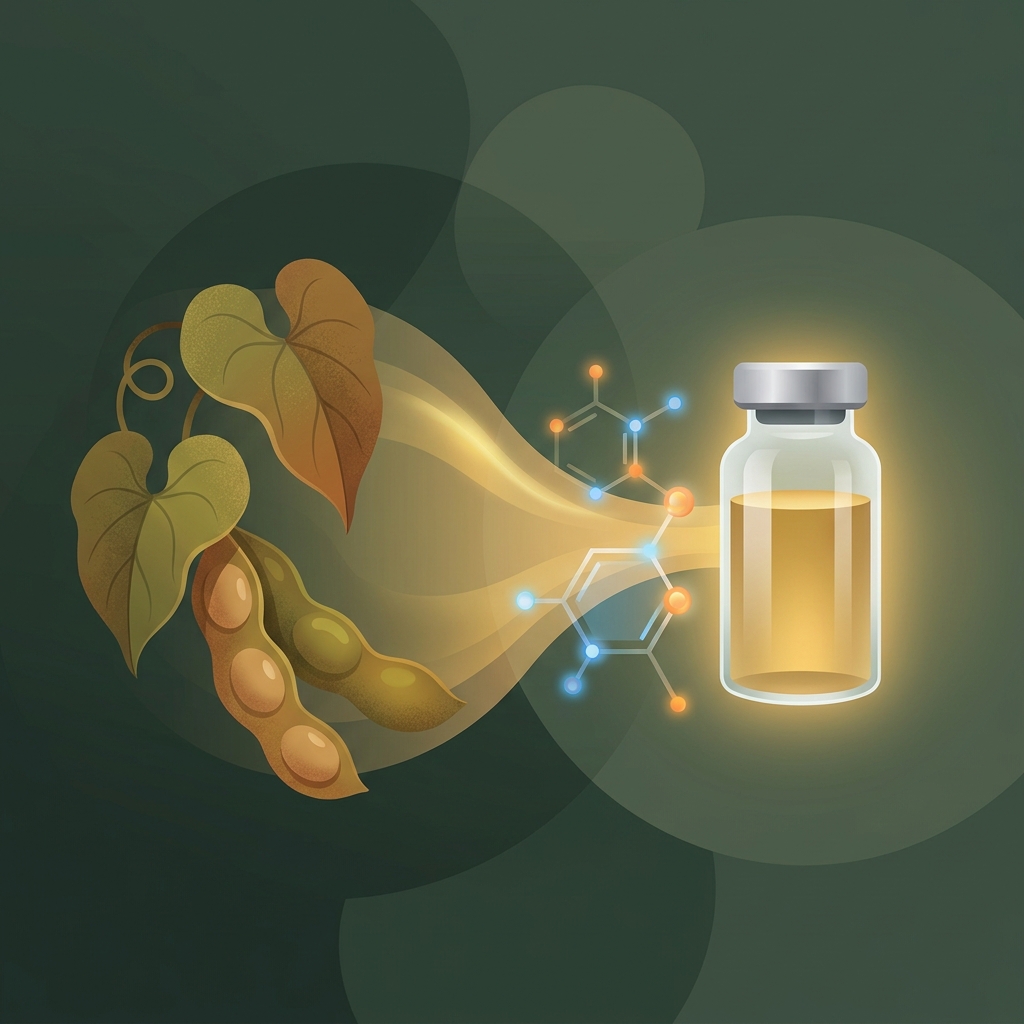
Ever wondered what are bioidentical hormones made from? This 2026 guide goes beyond 'soy or wild yam' to explain the biochemistry, the Marker degradation process, and the regulated supply chain behind every prescription. Learn how plant compounds become identical to human hormones.