Banana Cream Flavored Medication Compounding: Why This Flavor Works Best for Kids
Introduction: When Medicine Time Becomes a Battle
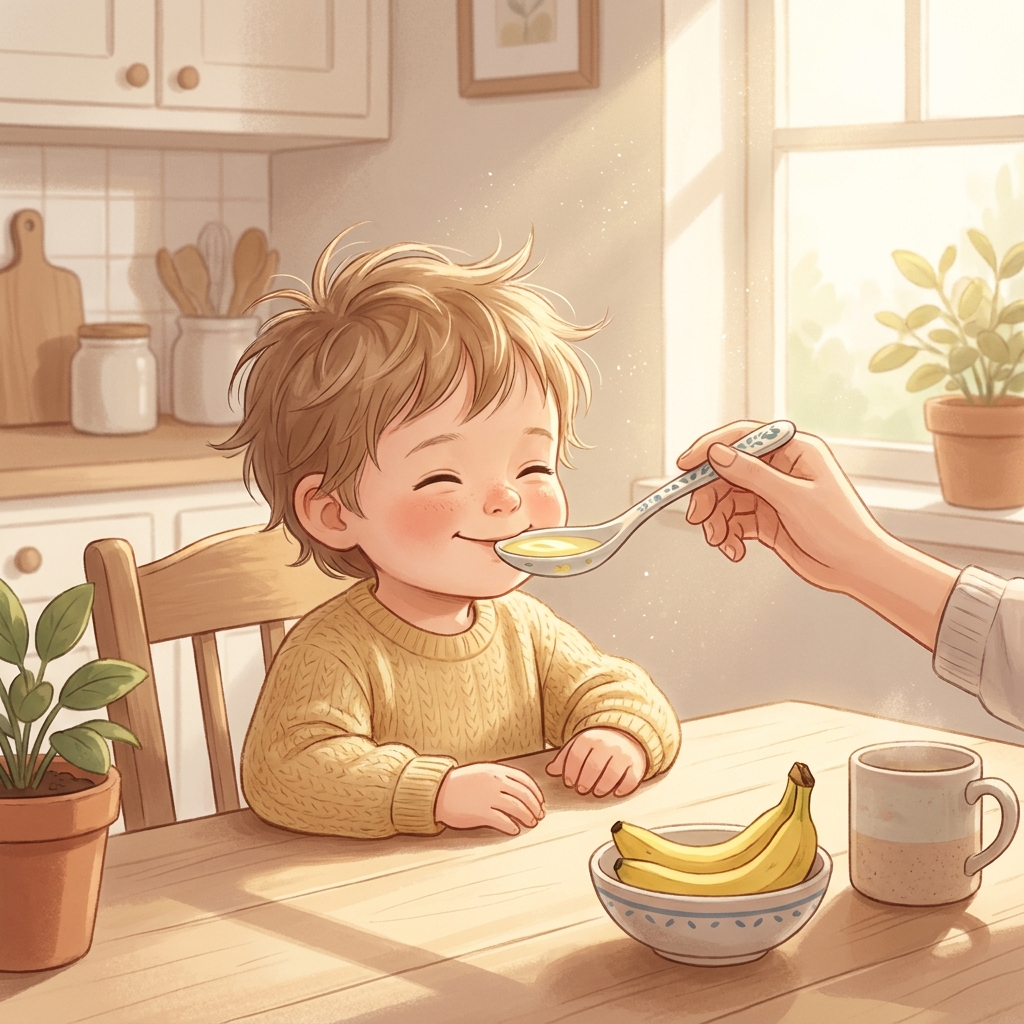
Every parent knows the scene. A syringe of bitter liquid medication in one hand, a feverish, teary-eyed child in the other. The child clamps their mouth shut, turns their head away, and moments later spits the dose across the room. What follows is a frustrating cycle of coaxing, bargaining, and eventually helplessness. If this sounds familiar, it is worth knowing something important: this is not a parenting failure. It is a biology problem.
Children are born with roughly 25 types of bitter taste receptors, known as TAS2Rs. This is an evolutionary defense mechanism designed to protect them from swallowing toxic substances in nature. The unfortunate side effect is that bitterness becomes the single hardest taste to mask and the primary reason children refuse medicine. No amount of firmness or patience overrides a hardwired biological response.
This is exactly why banana cream flavored medication compounding has become such a valuable solution. It is not merely a cosmetic add-on or a marketing gimmick. Banana cream is a clinically and psychologically strategic choice that addresses both the chemistry of the medication and the emotional experience of the child. This article explains why banana cream works, why it works especially well for children, and how parents can access this solution through a PCAB-accredited compounding pharmacy like Nationwide Compounding Rx®.
The Pediatric Medication Adherence Crisis: Why Taste Matters More Than You Think
Medication only works if a child actually takes it. Unfortunately, pediatric medication adherence rates typically hover around 60%, meaning nearly 4 in 10 children do not complete their prescribed treatment courses. That gap has real consequences.
The scale of the problem was documented in a landmark 2025 scoping review published in Frontiers in Drug Delivery, which analyzed 225 articles across 77 different diseases. The review found that poor taste was identified as a barrier to adherence in 27% of the studies reviewed. Even more striking, 64% of the articles reported rejection responses that included physical restraint and forced administration. These are not minor inconveniences; they represent significant stress on children and families alike.
The clinical community agrees on the root cause. More than 90% of pediatricians have reported that a drug’s taste and palatability are the biggest barriers to completing treatment courses in children. When doses are skipped or spat out, the results can include antibiotic resistance, treatment failure, prolonged illness, and an ongoing emotional toll on the entire household.
Researchers now treat palatability as a genuine clinical variable rather than a comfort feature. The TASTY scale, developed to evaluate taste in children, identifies smell, taste, aftertaste, and mouth feel as critical factors influencing therapeutic outcomes. If taste is this consequential, the question is not whether to address it, but how. That question leads directly to the flavor that addresses it most effectively for the broadest range of children.
Why Banana Cream? The Science Behind the Flavor
Most pharmacy pages list banana cream as one option in a long menu without explaining why it works. That is a significant gap, because the science behind banana cream is genuinely compelling.
The compound responsible for artificial banana flavor in pharmaceuticals is isoamyl acetate, a synthetic ester used across both the food and pharmaceutical industries. It is well understood, widely tested, and consistent in its behavior, making it a reliable choice for medication flavoring.
Banana cream flavor is particularly effective at masking salty-tasting medications, a common profile in electrolyte preparations, some liquid antibiotics, and mineral supplements. Sweet, fruity flavors create a contrast effect on the palate that suppresses the perception of saltiness. Where a plain salty medication would trigger rejection, a banana cream version redirects the sensory experience toward something pleasant.
It is also worth noting what banana cream is not. Real citrus flavors are generally avoided in compounding because natural citric acids can affect drug absorption rates. Artificial banana cream is preferred precisely because it does not interfere with pharmacokinetics; it delivers taste without altering how the drug performs.
While no single flavor completely eliminates bitterness, banana cream’s high sweetness intensity and aromatic ester profile help redirect sensory focus away from bitter notes, making it one of the most effective single-note flavors for broad medication palatability. Banana cream flavoring agents are manufactured in FDA-registered facilities, independently tested, and considered chemically inert. They do not change the drug’s therapeutic efficacy or stability.
The Amoxicillin Familiarity Factor: A Psychological Comfort Anchor
There is a psychological dimension to banana cream that competitors almost universally overlook: the amoxicillin familiarity factor.
Amoxicillin-clavulanic acid, commonly known as Augmentin, is classically banana-flavored and is frequently one of the first prescription medications a child ever receives. That early exposure establishes banana as a trusted, familiar, and non-threatening flavor from the earliest years of childhood.
This benchmark status is well documented. A palatability study conducted at the Children’s Hospital of Michigan and Wayne State University compared multiple antibiotic flavors in a taste test of 30 children aged 5 to 8. Banana-flavored amoxicillin-clavulanic acid served as the established benchmark against which other flavors were measured, validating banana as a standard pediatric antibiotic flavor.
The psychological mechanism for children is straightforward: familiar flavors reduce anticipatory anxiety. A child who has previously tolerated banana-flavored amoxicillin is far more likely to accept a new banana cream compounded medication because the flavor signals safety rather than threat.
The mechanism works for parents as well. A parent who has successfully administered banana-flavored amoxicillin carries a positive reference point. When a compounding pharmacist offers banana cream, that parent recognizes and trusts it, which reduces their own hesitation and the stress they may inadvertently transmit to their child. Children who choose their own medicine flavor are also more likely to take it without a struggle, and banana cream is often the flavor they already know and prefer.
What Medications Pair Best with Banana Cream Flavor?
A common gap in competitor content is the absence of specifics about which medications are best matched to banana cream. Parents want that information, and providing it builds trust.
Banana cream is a top recommended flavor match for several medication categories, including:
- Liquid antibiotics: amoxicillin-clavulanic acid (Augmentin), azithromycin (Zithromax), and clarithromycin (Biaxin)
- Allergy syrups: loratadine (Claritin)
- Corticosteroids: prednisolone (Prelone Syrup)
- Vitamin and iron liquids
Banana cream works especially well for salty and mineral-forward medications. The sweet ester profile of isoamyl acetate creates a sensory contrast that suppresses saltiness, making it ideal for electrolyte preparations and iron supplements that many children find unpalatable.
Parents also have options beyond single-note flavors. Compounding pharmacies can blend flavors to create custom combinations such as banana-strawberry cream, giving children a welcome sense of agency in the process. Because every medication has its own taste profile, an experienced compounding pharmacist can advise on the best flavor match for a specific prescription, which is one of the clearest reasons to work with a dedicated compounding pharmacy rather than settle for whatever a standard pharmacy stocks.
Is Banana Cream Flavoring Safe? Addressing Parent Concerns
Safety questions are reasonable and expected, and the answers are reassuring.
Flavoring agents used in compounding, including banana cream, are manufactured in FDA-registered facilities, independently tested, and considered chemically inert. They add taste without changing what the medication does.
The allergen profile is a critical trust signal. Professional flavoring systems do not contain milk, eggs, soy, peanuts, tree nuts, gluten, wheat, fish, shellfish, or dyes, and they are sugar-free. For parents of children with dietary restrictions or sensitivities, that combination is significant.
Volume is another safety consideration. Under USP General Chapter <795> standards, flavoring amounts are kept under 5% of total medication volume and do not affect the medication’s beyond-use date. The flavor enhances palatability without compromising the formulation.
There is also a helpful regulatory distinction between “flavoring” and “compounding.” In many U.S. states, adding an inert flavoring agent to a conventionally manufactured drug is treated differently from full compounding. California’s June 2025 regulation is a clear example, explicitly recognizing flavoring as a distinct, lower-complexity process when the flavor is inert, non-allergenic, and within a defined volume threshold.
Widespread acceptance supports all of this. Over 200 million medications have been flavored using professional pharmacy flavoring systems. For an additional layer of assurance, Nationwide Compounding Rx® operates in a USP 800 compliant facility and sources all chemicals from FDA-inspected and cleared vendors.
The Compounding Process: How Banana Cream Flavored Medication Is Made
For parents unfamiliar with compounding, the process can seem intimidating. It is actually straightforward.
It begins with a prescriber writing a prescription that specifies the medication, dose, form (such as an oral liquid suspension), and flavor preference. The compounding pharmacy then prepares the medication from scratch or modifies an existing formulation to include the banana cream flavoring.
Customization goes well beyond flavor. Compounding allows the removal of allergens, dyes, gluten, sugar, and preservatives, meaning a child’s medication can be tailored to their dietary needs as well as their taste preferences.
One valuable option that competitors rarely mention is “reflavoring.” If a child initially receives banana-flavored amoxicillin from a standard pharmacy and dislikes that specific formulation, a compounding pharmacy can reformulate the same medication with a refined banana cream profile. Some compounding pharmacies also offer a “sample before you commit” approach, creating a drug-free flavor sample for a child to taste before the medication is prepared. This reduces the risk of refusal and gives the child a sense of agency in the process.
Speed matters when a child is sick. Nationwide Compounding Rx® offers a 1 to 2 business day turnaround on all compounded medications, with same-day pickup available for some formulations.
Special Considerations: Children with Sensory Sensitivities and Dietary Restrictions
Children with Autism Spectrum Disorder often experience extreme sensory sensitivities to taste, texture, smell, and aftertaste. Standard commercial medications can be particularly challenging for them, yet this is an angle that most competitor content does not address.
Banana cream’s familiar, sweet, and non-astringent profile, combined with its absence of common allergens and artificial dyes, makes it one of the most well-tolerated flavor options for sensory-sensitive children.
The same benefits apply to children with food allergies or intolerances. Because banana cream flavoring in professional compounding systems is free of the top allergens (dairy, gluten, nuts, soy, eggs, and shellfish) and is sugar-free, it is compatible with a wide range of dietary restrictions.
Compounding pharmacies can also eliminate lactose, dyes, gluten, sugar, and preservatives from the medication base itself, not just the flavoring, creating a fully customized formulation for children with complex needs. Parents should communicate any sensory sensitivities or allergies to their prescriber and compounding pharmacist so the entire formulation can be optimized, not just the taste. For children who also struggle with swallowing pills, compounded medication offers additional form options beyond standard tablets and capsules.
Why Choose a PCAB-Accredited Compounding Pharmacy for Banana Cream Flavored Medications?
Not all compounding pharmacies meet the same standards, and for pediatric medications, quality assurance is non-negotiable.
PCAB, the Pharmacy Compounding Accreditation Board, provides third-party validation of safety, quality, and compliance standards based on U.S. Pharmacopeia Convention guidelines. Choosing an accredited pharmacy means choosing one whose practices have been independently verified.
Nationwide Compounding Rx® has maintained PCAB accreditation since its early days of operation and works within a USP 800 compliant facility that eliminates the possibility of cross-contamination. The pharmacy’s staff brings 40 years of combined experience in pharmaceutical compounding, which translates directly into expertise in pediatric flavor matching and formulation.
Rather than leaving parents to guess, Nationwide Compounding Rx® explicitly lists Banana Crème as a named flavor option, alongside cherry, grape, raspberry, strawberry, tutti frutti, peppermint, and vanilla butternut. With shipping to 47 states plus Washington, D.C., banana cream flavored medication compounding is accessible to families across most of the country.
How to Get Started: Requesting Banana Cream Flavored Medication Compounding
Getting started is simpler than most parents expect. The following steps outline a clear path forward:
- Talk to the child’s prescriber. Ask them to specify banana cream flavor on the prescription, or ask whether the medication can be compounded with a flavor preference.
- Choose a PCAB-accredited compounding pharmacy. Look for accreditation, USP compliance, an explicit flavor menu, and demonstrated pediatric compounding experience.
- Consider requesting a drug-free flavor sample before the medication is compounded, if the pharmacy offers this option, to confirm the child will accept the flavor.
- Communicate any dietary restrictions, allergies, or sensory sensitivities to the pharmacist so the entire formulation can be customized accordingly.
- Confirm turnaround time and shipping options. For Nationwide Compounding Rx®, the standard is 1 to 2 business days with nationwide shipping to 47 states.
The process is designed to be straightforward, and compounding pharmacists are trained to guide families through flavor selection and formulation choices.
Conclusion: Turning Medicine Time Into a Manageable Moment
Banana cream flavored medication compounding works because it brings together three powerful advantages: the chemistry of effective taste masking (with isoamyl acetate suppressing salty and bitter profiles), the psychology of familiar comfort rooted in the amoxicillin familiarity factor, and the clinical evidence that flavor-matched medications dramatically improve pediatric adherence rates.
Just as importantly, it is safe. Banana cream flavoring is allergen-free, sugar-free, chemically inert, and prepared under rigorous USP and PCAB standards. Parents can feel confident in both the flavor and the formulation.
The stakes are worth remembering. When children complete their full medication course, treatment outcomes improve. Banana cream compounding is one of the most accessible, evidence-backed tools available to make that happen. With the right compounding partner and the right flavor strategy, medication time can become a manageable, even positive, part of a child’s recovery.
Ready to Make Medication Time Easier? Contact Nationwide Compounding Rx® Today
Parents and prescribers are invited to contact Nationwide Compounding Rx® to discuss banana cream flavored medication compounding options tailored to a specific prescription.
- Phone: 480-499-8379 or toll-free 1-833-650-9836
- Website: www.NationwideCompounding.com
- Location: Scottsdale, AZ, with nationwide shipping to 47 states
With a 1 to 2 business day turnaround and same-day pickup available for some formulations, the pharmacy is equipped to help when a sick child needs medication quickly.
Prescribers are encouraged to reach out directly to learn how Nationwide Compounding Rx®’s pediatric compounding capabilities, including Banana Crème and seven other flavor options, can improve medication adherence for their youngest patients. Every prescription is backed by PCAB accreditation, a USP 800 compliant facility, 40 years of combined compounding experience, and a genuine commitment to personalized, patient-centered care.
Related Posts
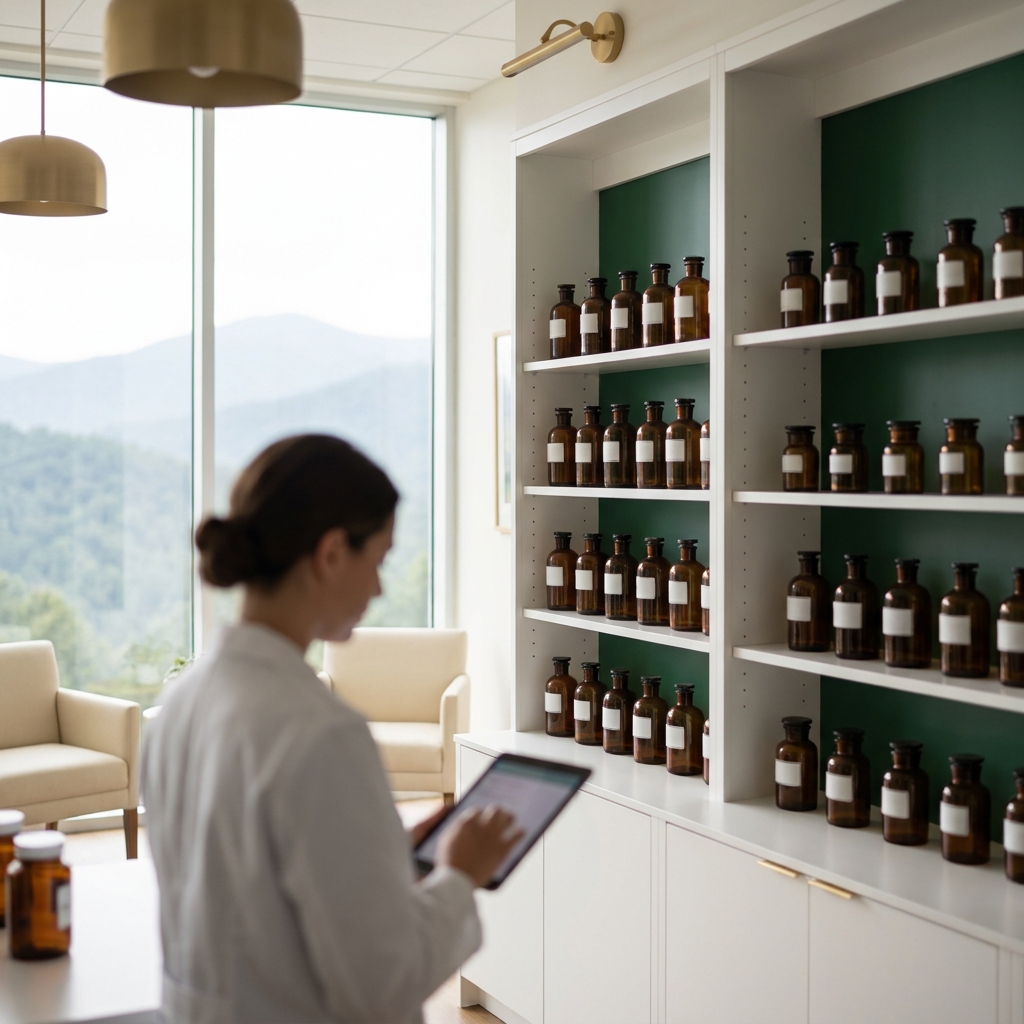
Asheville was just named America's #1 Wellness Town, yet its local compounding pharmacy options lack published safety credentials. This 2026 guide explains what PCAB accreditation, USP 795/797/800 compliance, and third-party testing mean when choosing a compounding pharmacy in Asheville, helping patients and prescribers make informed decisions.

South Valley Compounding Pharmacy serves Riverton and Herriman, Utah, with personalized 503A prescriptions. This guide covers its location, hours, PCAB accreditation status, and how 2026 regulatory changes affect shipping and patient access.

Is Altru Chemists Compounding Pharmacy's accreditation claim legit? This 2026 audit checks the Brooklyn pharmacy's PCAB and sterile compounding claims against the official ACHC directory. See what the verification actually reveals before you transfer a prescription.

Many searches for Harbor Compounding Pharmacy Costa Mesa CA uncover conflicting address listings and unanswered licensing questions. This 2026 guide clears up the confusion, revealing what truly matters when choosing a compounding pharmacy today: accreditation, state licensing, and shipping reach, not just a local zip code.