
Compounding Pharmacy for Women’s Health: The Full Lifecycle Guide for 2026
Introduction: Why Women’s Health Needs More Than a One-Size-Fits-All Pharmacy
The U.S. compounding pharmacy industry reached approximately $20.2 billion in 2026, driven in large part by surging demand for personalized women’s health therapies. That growth reflects a fundamental truth that mass-produced pharmaceuticals have long overlooked: a woman’s hormonal and health needs shift dramatically across every stage of life, from adolescence through post-menopause, and standard commercial medications often cannot keep pace with that complexity.
Nowhere is this clearer than in the 2026 estrogen patch shortage, which has left women at major pharmacy chains unable to fill prescriptions their doctors consider essential. That crisis has transformed compounding pharmacy from an alternative option into a critical resource.
This guide takes a lifecycle approach, examining the role of compounding across adolescence, the reproductive years, fertility, postpartum recovery, perimenopause, menopause, and post-menopause. Along the way, it addresses the regulatory realities every patient should understand, including the 503A versus 503B distinction, the FDA gap around testosterone therapy for women, and how telehealth-integrated compounding has reshaped access in 2026.
Throughout, Nationwide Compounding Rx®, a PCAB-accredited compounding pharmacy offering nationwide shipping and backed by 40+ years of combined team experience, serves as a reference point for what a trusted compounding partner looks like.
What Is Compounding Pharmacy and How Does It Differ from Standard Dispensing?
Pharmaceutical compounding is the practice of creating customized medications tailored to an individual patient’s specific needs, including dose, form, ingredients, and delivery method. Rather than dispensing a mass-produced product designed for the “average” patient, a compounding pharmacist prepares a formulation from the ground up.
Compounding exists to fill the gaps commercial manufacturing leaves behind. Some patients need non-standard strengths. Others require allergen-free formulations free of dyes, fillers, and preservatives. Still others need a medication that has been discontinued or a dosage form they can actually tolerate.
For women’s health, the range of available dosage forms is especially relevant:
- Capsules
- Topical creams and gels
- Troches and lozenges
- Sublingual tablets
- Suppositories and vaginal inserts
- Liquids
The scale is substantial. An estimated 30 to 40 million compounded prescriptions are filled annually in the U.S., and between 1.0 and 2.5 million women age 40 and older use compounded bioidentical hormone therapy, accounting for 26 to 33 million prescriptions each year. Unlike standard dispensing, which simply transfers a manufactured product, compounding involves formulation, quality verification, and ongoing adjustment. That distinction leads directly into the regulatory landscape.
Understanding the Regulatory Landscape: 503A vs. 503B and FDA Oversight
Most women researching compounding options are unaware that two fundamentally different regulatory categories exist, and the distinction matters for safety, access, and cost.
503A pharmacies are traditional compounding pharmacies that prepare medications based on individual patient prescriptions from licensed practitioners. They are subject to state pharmacy board oversight and USP standards, but not FDA pre-market approval.
503B outsourcing facilities are registered with the FDA, held to Current Good Manufacturing Practice (CGMP) standards, and permitted to produce larger batches without patient-specific prescriptions. They face FDA inspections and a higher regulatory bar.
For most women, a 503A pharmacy such as Nationwide Compounding Rx® is the relevant model, because it creates a formulation specifically for one patient’s prescription, allowing true personalization of dose, form, and ingredients.
One critical point deserves emphasis: compounded medications, whether from 503A or 503B facilities, are not FDA-approved. This is poorly understood. In one survey, only 14% of women correctly identified that compounded bioidentical hormones are not FDA-approved, while 76% said they were unsure.
This is where accreditation becomes a meaningful quality signal. PCAB (Pharmacy Compounding Accreditation Board) accreditation is considered the gold standard, held by only about 68 U.S. pharmacies. It confirms alignment with USP <795> (non-sterile), USP <797> (sterile), and USP <800> (hazardous drug handling) standards. Nationwide Compounding Rx® is PCAB accredited and USP 800 compliant, sources chemicals from FDA-inspected and cleared vendors, and uses independent third-party testing to verify potency and purity.
Regulatory scrutiny remains active. The FDA’s Pharmacy Compounding Advisory Committee met on July 23–24, 2026 to discuss bulk drug substances for the 503A Bulks List. Meanwhile, the SAFE Drugs Act of 2025 (H.R. 6509) proposes to limit compounding of “copies” of FDA-approved drugs to 20 units per month per pharmacy unless tailored to an individual patient, and would require interstate reporting. Both developments reinforce why working with an accredited, compliant pharmacy matters more than ever.
Adolescence and Young Adulthood: Compounding for PCOS, Endometriosis, and Hormonal Dysregulation
Compounding’s role in women’s health begins long before menopause, a framing largely absent from most discussions of the topic.
PCOS (polycystic ovary syndrome) frequently creates compounding needs: custom progesterone formulations, low-dose spironolactone (an androgen blocker often used off-label), and metformin in non-standard strengths or allergen-free forms.
Endometriosis benefits from compounded pain management formulations, including topical gabapentin, ketamine, or lidocaine combinations, as well as hormonal treatments in forms and doses not available commercially.
For younger patients with sensitivities, dye-free and allergen-free formulations are especially valuable, as are flavored or alternative-form medications that improve adherence during pediatric-to-adult dose transitions.
Thyroid health is an emerging adolescent concern as well. Custom T3/T4 combinations can help young women with Hashimoto’s thyroiditis or hypothyroidism who do not respond optimally to standard levothyroxine.
Reproductive Years: Fertility Support, IVF, and Ovulation Induction
Compounded progesterone for IVF support is standard practice among reproductive endocrinologists, available as suppositories, vaginal inserts, creams, and gels. This matters for patients who cannot tolerate painful intramuscular progesterone injections, are allergic to the peanut oil found in commercial Prometrium, or need non-standard dosing windows.
Other reproductive applications include:
- DHEA for diminished ovarian reserve, where compounded pharmaceutical-grade preparations provide verified potency that commercial supplements cannot guarantee.
- Leuprolide (a GnRH agonist) for ovulation induction protocols when commercial availability is limited.
- Custom clomiphene or letrozole formulations for PCOS ovulation support in non-standard strengths or combination protocols tailored to individual response.
A compounding pharmacy that works collaboratively with reproductive endocrinologists and OB-GYNs adds real value in this context. Nationwide Compounding Rx® follows a Connect, Collaborate, Create, and Care provider partnership model designed for exactly this kind of coordination.
Postpartum Hormonal Recovery: An Underserved Compounding Niche
The hormonal shift following delivery is dramatic. Estrogen, progesterone, and testosterone drop precipitously, contributing to postpartum depression, anxiety, brain fog, and libido changes.
Compounding can support recovery through low-dose progesterone creams or troches, custom estradiol formulations, and thyroid support for women affected by postpartum thyroiditis. Standard postpartum care rarely extends beyond antidepressants, leaving a meaningful gap that individualized formulations can help fill.
The key is working with a prescriber who orders baseline labs and adjusts formulations as hormone levels normalize. Nationwide Compounding Rx® adjusts BHRT formulas at each refill based on updated lab results. For breastfeeding mothers, compounding pharmacists can also formulate medications in forms and doses that minimize infant exposure, always in coordination with the prescribing provider.
Perimenopause: The Transition Phase Where Personalization Matters Most
Perimenopause is defined by hormonal volatility. Estrogen and progesterone fluctuate unpredictably for 4 to 10 years before the final menstrual period, making fixed commercial doses frequently inadequate.
This is precisely where compounding excels for perimenopause: dose, delivery form, and hormone combinations can be adjusted at each refill based on symptoms and lab results. Common perimenopausal formulations include low-dose estradiol creams or gels, progesterone capsules or troches, and testosterone (covered in depth in a later section).
Sleep disruption, mood changes, and vasomotor symptoms such as hot flashes and night sweats are the primary drivers pushing women toward compounded support during this stage. Demand has surged: HRT prescriptions are up 86% since 2021, and by February 2026 roughly 1 in 20 women aged 45 to 54 had an active estrogen-based prescription, about double the 2023 rate. The FDA’s November 2025 removal of the black-box warning from menopausal hormone therapy products has been a major catalyst for this shift.
Menopause in 2026: The Estrogen Patch Shortage and Compounding as a Critical Backup
The 2026 estrogen patch shortage has become a nationwide supply crisis. Surging demand, manufacturer consolidation, and tariff pressures on overseas production have converged. From 2018 to 2026, women ages 45 to 54 prescribed estrogen-based therapies increased by 184%, with a 20% rise between July 2025 and February 2026 alone.
The FDA claims there is no official shortage, yet women continue struggling to fill prescriptions at major chains. This gap between official position and lived experience is exactly where compounding pharmacy serves as a critical backup. When commercial patches are unavailable, compounding pharmacies can prepare transdermal estradiol gels, creams, or custom formulations in equivalent doses.
Compounding also offers a broader menu than commercial products. Where most FDA-approved products contain only estradiol, compounding can incorporate all three estrogens (estrone, estradiol, and estriol) alongside progesterone and testosterone.
The clinical evidence for hormone therapy is strong. Menopausal HRT reduces vasomotor symptoms by 70 to 90% and preserves bone mineral density, with NAMS and IMS guidelines endorsing low-dose, individualized regimens initiated within 10 years of menopause onset or before age 60.
A balanced view is important. ACOG Clinical Consensus No. 6 (2023, reaffirmed 2026) states that compounded BHRT should not be prescribed routinely when FDA-approved formulations exist and that evidence supporting safety and effectiveness marketing claims is lacking, while acknowledging that compounding is appropriate when commercial options are unavailable or inadequate. The term “bioidentical” simply means hormones structurally identical to those the body produces. It does not mean FDA-approved or proven safer than synthetic hormones, a distinction essential to informed decision-making.
Testosterone Therapy for Women: The Critical FDA Gap and Why Compounding Fills It
There is currently no FDA-approved testosterone formulation for cisgender women in the United States, making compounding the only legal pathway to prescribed testosterone therapy for women.
Testosterone plays a significant role in women’s libido, mood, energy, muscle retention, and cognitive function, and levels decline through perimenopause and post-menopause. The primary evidence-based indication is HSDD (hypoactive sexual desire disorder). A 2022 systematic review found that vaginally delivered compounded testosterone and DHEA significantly improved vaginal atrophy, arousal, lubrication, satisfaction, and pain scores in postmenopausal women.
Dosing is the central challenge. Women require roughly one-tenth the testosterone dose used in men, and commercial male products cannot be safely divided to reach physiologically appropriate female doses, making compounding essential. Available compounded forms include low-dose topical creams, gels, troches, and vaginal preparations. Both ACOG and The Menopause Society acknowledge testosterone’s role in women’s sexual health while calling for more robust trial data. Nationwide Compounding Rx® can prepare customized low-dose testosterone formulations for women in collaboration with their prescribing provider.
Post-Menopause: Long-Term Hormonal Support and Specialized Compounding Needs
Women can spend up to one-third of their lives in a hormone-deficient state, contributing to mood changes, increased osteoporosis risk, cardiovascular changes, and decreased libido.
Compounded estradiol and estriol continue to play a role post-menopause, particularly for vaginal atrophy (genitourinary syndrome of menopause), urinary urgency, and sexual discomfort, all of which are highly responsive to localized preparations. For chronic vulvar pain conditions such as vulvodynia, compounded topical formulations combining lidocaine, gabapentin, amitriptyline, and ketamine are often the only effective option.
Additional post-menopausal applications include:
- Bone health support through custom calcium, magnesium, vitamin D, and vitamin K2 combinations optimized for absorption.
- Thyroid compounding with custom T3/T4 combinations for women whose symptoms are not fully controlled by standard levothyroxine.
Ongoing lab monitoring remains central, and Nationwide Compounding Rx® adjusts formulas at each refill based on updated results.
Telehealth-Integrated Compounding: How Access to Women’s Health Has Changed in 2026
The convergence of telehealth and compounding has dramatically expanded access, particularly for women in rural or underserved areas. Notably, dozens of telehealth companies that built their business on compounded semaglutide and tirzepatide have pivoted aggressively to compounded HRT following FDA enforcement actions in 2025 and 2026.
The benefits are real: online consultations, lab ordering, prescription management, and pharmacy fulfillment in one streamlined workflow, which is especially valuable for busy midlife women. However, not all telehealth-compounding platforms work with PCAB-accredited pharmacies, and some prioritize marketing over clinical rigor. Women should verify the compounding pharmacy’s accreditation and quality standards before proceeding.
Nationwide Compounding Rx® supports telehealth-referred prescriptions through nationwide shipping across licensed states, a secure provider portal for submission and order tracking, and a patient portal for refill management. Compounding works best within a prescriber-pharmacist-patient triad, not as order fulfillment in isolation.
How to Evaluate a Compounding Pharmacy for Women’s Health: A Patient Checklist
For women navigating this landscape, the following questions provide a practical starting point:
- Is the pharmacy PCAB accredited? Only about 68 U.S. pharmacies hold this credential, verifiable on the PCAB/ACHC website.
- Does it comply with USP <795>, <797>, and <800>? These standards cover non-sterile, sterile, and hazardous drug handling.
- Does it source from FDA-inspected vendors and use independent third-party testing? This verifies potency and purity.
- Does it work collaboratively with the prescriber? This is essential for BHRT and hormone management.
- Can it ship to the patient’s state? Nationwide Compounding Rx® uses a tiered licensing model (fully licensed, non-sterile only, sterile pending).
- What is the turnaround time? Nationwide Compounding Rx® offers 1 to 2 business day turnaround, with same-day pickup available for some medications.
- Is there a secure patient portal for refills and communication?
On cost: compounded medications are often not covered by insurance, but for uninsured or underinsured women, compounding can sometimes be more affordable than brand-name HRT, particularly during shortage periods.
What to Expect When Working with a Compounding Pharmacy for Women’s Health
The typical process flows as follows: provider consultation and lab work; prescription sent to the compounding pharmacy; pharmacist review and formulation; dispensing and shipping or pickup; and follow-up and adjustment at the next refill.
Baseline hormone labs (estradiol, progesterone, testosterone, FSH, and a thyroid panel) are important before starting therapy. Nationwide Compounding Rx®’s Connect, Collaborate, Create, and Care framework structures this collaboration.
The adjustment cycle is a defining advantage. Unlike fixed-dose commercial medications, compounded formulations can be modified at each refill based on updated labs and symptoms. The choice of dosage form (topical creams, troches, capsules, or suppositories) affects absorption, convenience, and tolerability, and dye-free, filler-free, and preservative-free options serve women with sensitivities.
The Market Context: Why Women’s Health Compounding Is Growing Rapidly in 2026
The global women’s health market was estimated at $53.48 billion in 2025 and is projected to reach $75.42 billion by 2033, with hormonal therapies accounting for the largest drug class share at 40.66%. Within compounding specifically, HRT is the fastest-growing segment, projected at a 7.86% CAGR from 2026 to 2031.
The drivers are both cultural and clinical: the FDA’s November 2025 removal of the black-box warning, growing awareness of menopause as a treatable condition, and the influence of social media and telehealth. The menopause and midlife supplement market is expanding at a 9.3% CAGR through 2035, reflecting broad consumer interest. As the market grows, quality and regulatory compliance matter more than ever.
Conclusion: Personalized Care Across Every Stage of a Woman’s Life
Compounding pharmacy is not merely a menopause solution; it is a personalized medicine solution spanning adolescence through post-menopause. Across every stage, the recurring themes hold: personalization, quality assurance through PCAB accreditation and USP compliance, honest acknowledgment of the FDA approval gap, and awareness of the 2026 access landscape shaped by telehealth integration, the estrogen patch shortage, and the testosterone gap.
The balanced view matters. Compounding is most appropriate when commercial options are unavailable, inadequate, or poorly tolerated, not as a default replacement for FDA-approved therapies. Working with both a prescriber and a high-quality, accredited compounding pharmacy as a coordinated team produces the best outcomes. As women’s health awareness continues to grow, compounding pharmacy will remain essential to filling the gaps that mass-produced pharmaceuticals cannot.
Ready to Explore Compounded Women’s Health Solutions? Connect with Nationwide Compounding Rx®
Nationwide Compounding Rx® is a trusted, PCAB-accredited compounding pharmacy partner for women and their healthcare providers. Its differentiators speak directly to the priorities outlined in this guide: PCAB accreditation, USP 800 compliance, 40+ years of combined team experience, independent third-party testing, FDA-inspected chemical sourcing, 1 to 2 business day turnaround, and nationwide shipping.
Women are encouraged to connect through their healthcare provider. Patients should ask their OB-GYN, reproductive endocrinologist, or primary care provider about compounding options and have them reach out via the Nationwide Compounding Rx® Provider Portal. Providers can connect directly through the same portal for prescription submission, order tracking, and pharmacy team collaboration.
Contact Nationwide Compounding Rx®:
- Phone: (480) 499-8379
- Location: 14000 N. Hayden Rd., Suite 104, Scottsdale, AZ 85260
- Hours: Monday through Friday, 7:00 AM to 3:30 PM
- Website: nationwidecompounding.com
Contact Nationwide Compounding Rx® today to learn how a personalized compounded formulation may support women’s health goals, or ask a provider to connect with the pharmacy team directly.
Related Posts

Fairview Specialty Pharmacy will be out-of-network for UnitedHealthcare Medicare Advantage starting January 1, 2027, affecting up to 125,000 Minnesota patients. This guide breaks down what specialty medication users need to know before the enrollment deadline and how to build a backup plan.

Searching for University Compounding Pharmacy San Diego? This 2026 guide confirms UCP's location, specialties, and PCAB status while showing how to verify any compounding pharmacy's credentials. It also compares UCP to alternatives like Nationwide Compounding Rx for specific patient needs.

Senderra Specialty Pharmacy is a major player in dispensing biologic therapies for dermatology, rheumatology, and oncology patients. This article breaks down what Senderra does well, where patients often hit friction, and how PCAB-accredited compounding pharmacies can complement—not replace—biologic treatment plans in 2026.
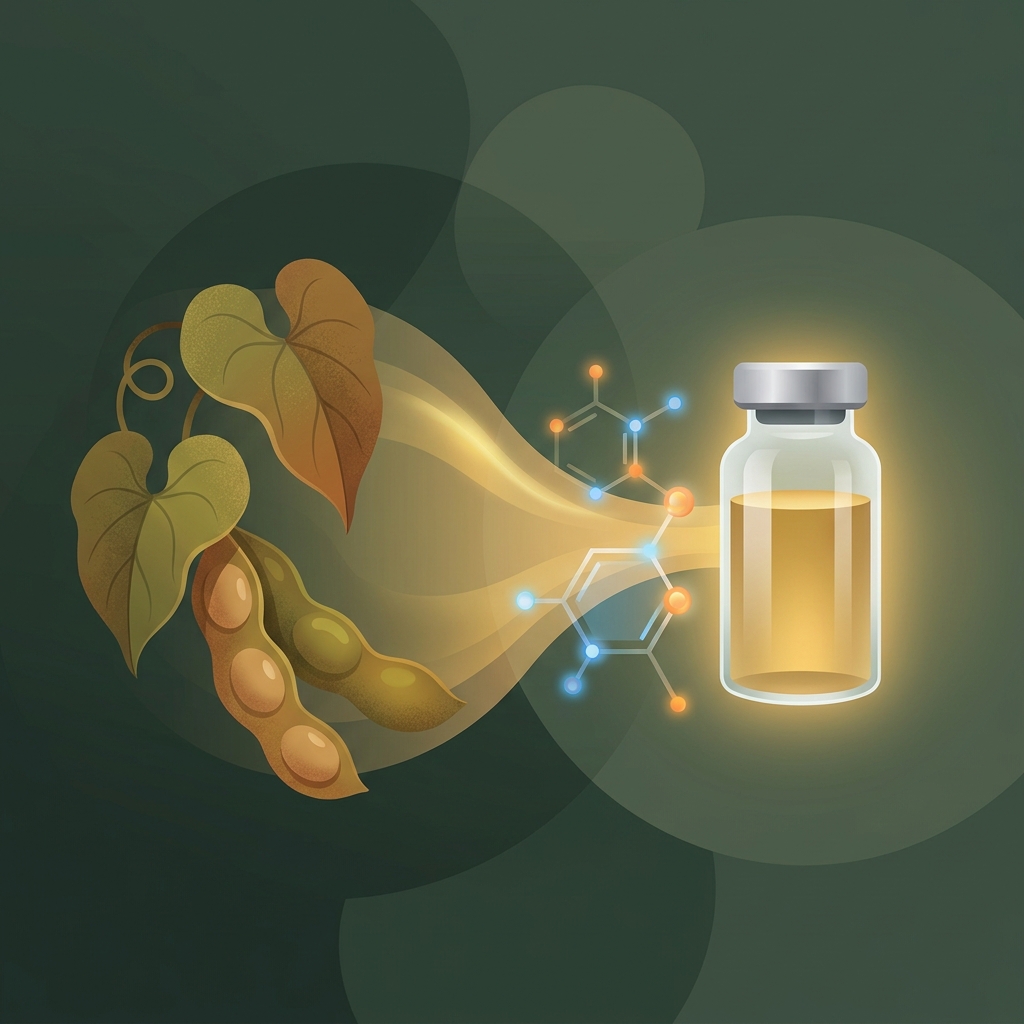
Ever wondered what are bioidentical hormones made from? This 2026 guide goes beyond 'soy or wild yam' to explain the biochemistry, the Marker degradation process, and the regulated supply chain behind every prescription. Learn how plant compounds become identical to human hormones.